No. 28359
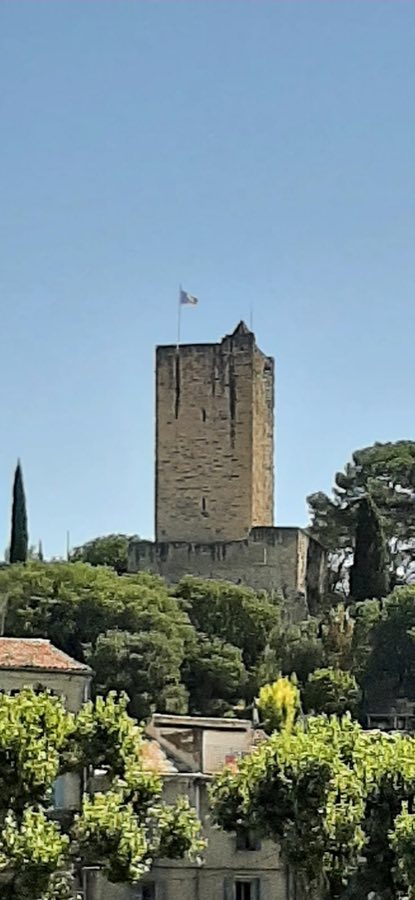
Castle of Sommières
France
CastleRuinFor sale13th century
No. 41881
Castle · France
No. 41881 · 43.644 N, 4.404 E
For events
Espeyran Castle is marked as a château or castle venue lead. Capacity, indoor/outdoor spaces, catering rules, and accommodation options are published only after public verification.
Event types: Private events, Cultural gatherings, Filming and photography
Quick summary
Espeyran Castle is a castle in France with origins associated with the 19th century.
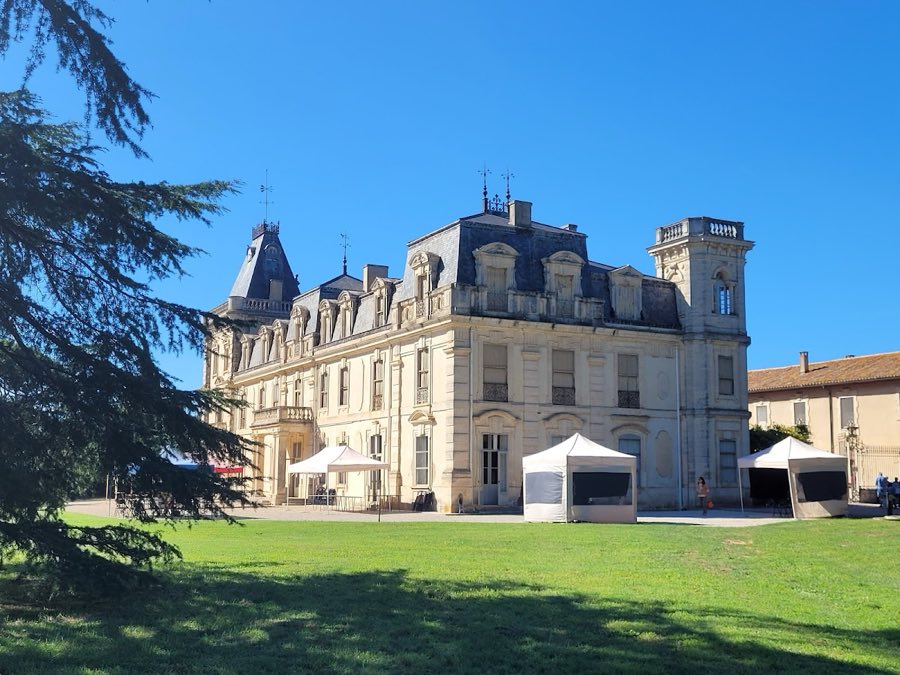
See all castles in FranceEspeyran Castle in Saint-Gilles, France occupies land first settled in antiquity by Greek colonial traders and later reshaped through Roman, medieval and modern phases, with the château’s present appearance formed largely in the late 19th century. The site matters for its long sequence of human activity spanning many centuries, its archaeological reserve that preserves ancient remains, and its later role as a rural estate whose buildings and furnishings reflect 19th-century country house life.
The oldest phase preserved in the ground begins in the 6th century BCE, when a riverside trading post operated on a branch of the Rhône. That trading installation remained active through the 2nd century CE and continued to receive visitors into the 4th century CE. Finds of ceramics and imported goods from the Mediterranean, including material linked to the Greek colony at Massalia (modern Marseille), show sustained commercial connections. Excavations have revealed structural traces from the Roman period, including reused architectural pieces bearing a Gallo‑Greek inscription, and earlier layers demonstrating occupation in the Protohistoric period, the era before Roman rule.
Throughout the medieval centuries the estate belonged to the abbots of Saint-Gilles. A papal bull of 28 June 1119 lists a church dedicated to Saint Felix at Aspirano together with its surrounding lands, indicating an organized ecclesiastical domain. Toward the end of the 12th century abbey authorities built a summer residence on the property. That residence was destroyed in 1195 by Raymond VI, count of Toulouse, during a dispute over abbey revenues; Raymond VI was excommunicated the following year. After this episode the abbots retained ownership and managed the woods and other resources of Espeyran.
The French Revolution changed ownership patterns across the country. In 1791 abbey holdings were sold as national property and the Espeyran and Blanquet estates were purchased by Guillaume Sabatier, a banker from Paris. The Sabatier family, originally cloth suppliers to royal armies, developed Espeyran as an agricultural and leisure property. Vines were planted beginning in 1796 and, in the early decades of the 19th century, Frédéric Sabatier expanded farm activity while creating facilities for hunting and equestrian pursuits. He built stables, a saddle room, a horse bath, a riding arena and a racecourse. Renovations to the château and its park began in the 1840s.
When Guillaume Sabatier inherited the estate in 1864 he further altered the house, adding a full extra floor and two towers, reorganizing the ground floor to include a chapel at the west end and a large salon at the east end, and redecorating interiors and the private chapel with new stained glass depicting Saint Clare and Saint William. Interior fittings and the principal room decoration were left intact from this late 19th-century remaking and survive in the château today.
In the 20th century the family preserved the estate and in 1963 Guy Sabatier donated the park, the château, its furniture and the Argentière archaeological reserve to the national archives to create a centralized depot for microfilm. That depot opened in 1973 and later became the National Center for Microfilming and Digitization. The château has hosted cultural activities in recent decades, including use as a television set in 1997, programs for schools and community audiences beginning in 2010, artist residencies and public events, and a formal commitment in October 2020 to an environmental and heritage charter for the Camargue biosphere. State recognition of the site includes registration on the Historic Monuments list on 2 October 2009, the Houses of the Illustrious label awarded in 2013, and protection for part of the château’s furniture under the Historic Monuments designation.
The estate groups a country house, its surrounding park, farm and equestrian buildings, and an archaeological reserve along the former Rhône branch known as Argentière. The archaeological area preserves layers that range from Protohistoric occupation to Roman period constructions and funerary material, while the château and its outbuildings reflect 19th-century agrarian and equestrian use set within landscaped grounds.
Archaeological features include burial remains discovered in the 19th century, such as tombs and funerary steles, together with a variety of small finds recovered from the fields. Excavations in the 20th century unearthed Roman-period building remains and an architectural capital that had been reused and bears an inscription in a Gallo-Greek form, linking local Roman activity with earlier Greek cultural influence. An antique altar once recorded from the estate is preserved within the corpus of Roman bas-reliefs, and later excavation campaigns have traced successive occupation layers dating back to the Protohistoric era. The trading installation by the river included concentrations of pottery and imported wares, notably material associated with Massalia, attesting to commercial handling of Mediterranean goods from the 6th century BCE onward.
The château complex itself rests on a medieval castle site and displays its main form as reworked in the late 19th century. The house received an additional full floor topped by a slate mansard roof, and two towers were added at that time. On the ground floor a west-end chapel and an east-end grand salon were laid out during the same rebuilding. The grand salon preserves late 19th-century decorative schemes in the Louis XVI manner, including a painted ceiling and two overdoor paintings by a named artist of the period. The chapel contains stained glass representing Saint Clare and Saint William based on contemporary cartoons. Much of the interior decoration and original furniture from that campaign remain in place.
Surviving agricultural and equestrian outbuildings reflect the estate’s 19th-century emphasis on horses and leisure. The stables, the saddle room and the horse bath constructed for riding and training activities survive and remain visible within the grounds. The park and the Argentière archaeological reserve are managed alongside buildings that house the National Center for Microfilming and Digitization, which occupy former estate structures adapted to archival and digitization functions. Part of the château’s furniture has been placed under historic protection and remains an integral component of the site’s material record.
No. 28359

No. 26331
No. 11955
No. 16653
Comments
Comments for Espeyran Castle will require a verified account before posting.
We'll send a verification link before your first comment is published.