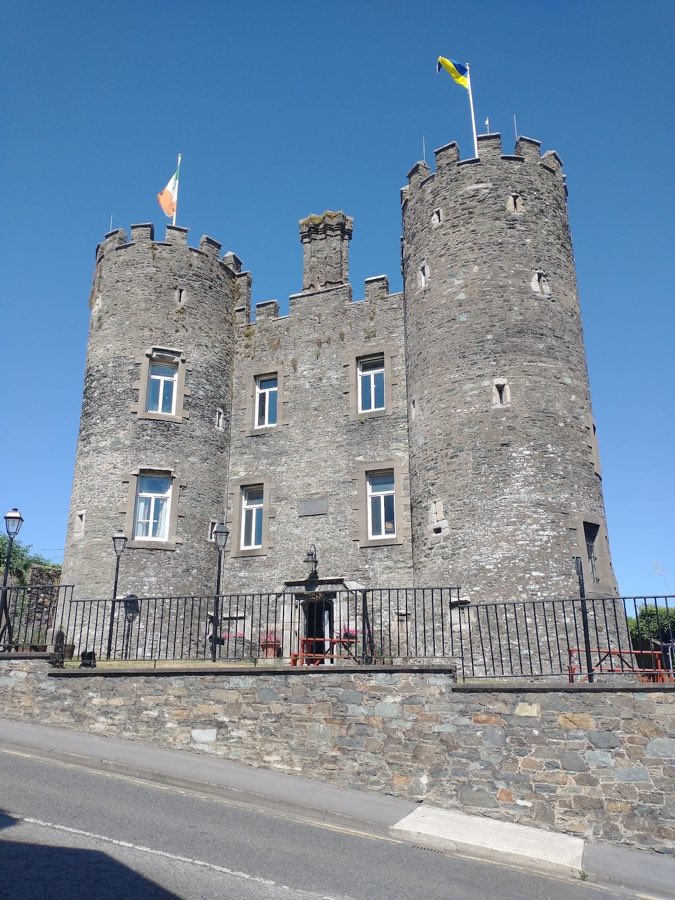
No. 37160
Enniscorthy Castle
Ireland
CastleRuin12th century
No. 11727
No. 11727 · 52.591 N, 6.499 W
Quick summary
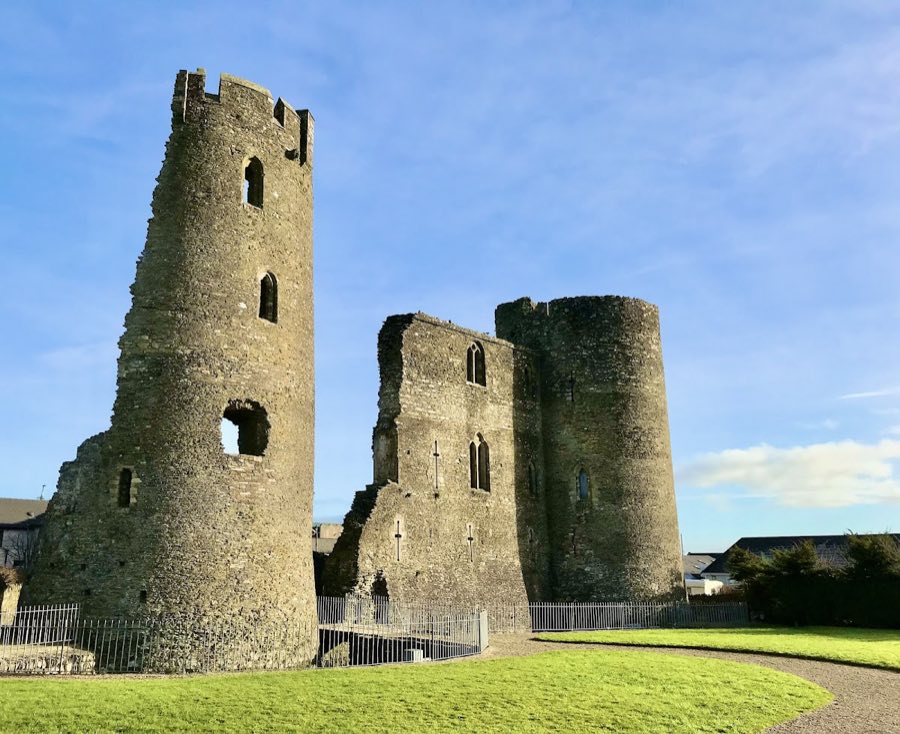
Ferns is a castle in Ireland with origins associated with the 6th century.
See all castles in IrelandFerns Castle stands in the town of Ferns in Ireland, and its first fortress was established by the early medieval Irish tied to the kingdom of Leinster.
A fortified settlement existed at Ferns from the sixth century. In 598 Saint Mogue Clonmore, also called Saint Aidan, founded a monastery at the site and became bishop of Ferns. The town grew in importance as the capital of the kingdom of Leinster and on occasions served as the national capital when Leinster kings became High Kings. Ferns lay beside the River Bann, a tributary of the Slaney. Before the Viking incursions the settlement was described as the largest town in Ireland; after a destructive fire the population and extent shrank by about one third.
In 1158 King Dermot MacMurrough established St Mary’s Abbey, an Augustinian foundation, and he was buried there in 1171. Following the Anglo-Norman conquest of Ireland in the late twelfth century, Ferns came under the control of Norman feudal lords. During the thirteenth century a castle that survives in part today was erected by William Marshal; the account records that this William Marshal was the son of William Marshal, Earl of Pembroke. At roughly the same period the medieval cathedral dedicated to St Edan was constructed.
The medieval cathedral did not survive intact; its ruined remains stand beside the current St Edan’s Cathedral. Queen Elizabeth I made efforts to restore the cathedral, but those works were only partly completed. In 1641 the castle was the scene of fighting during the uprising and suffered severe damage. The narrative records that Oliver Cromwell harshly suppressed the uprising. In the present day the castle together with several churches and monastic sites lie in ruin, and the modern village of Ferns continues on the site of the old fortress.
The site is dominated by a thirteenth-century castle built as a substantial square tower with round towers at each corner. The main tower rises through three storeys and has surviving windows in its eastern wall, demonstrating its planned elevation and aspects toward the countryside. Narrow, winding staircases allow access between levels and continue to the top of the tower, from which there is a long view over the surrounding land. The castle complex bore heavy damage in the fighting of 1641 and survives today in a ruined state.
Within the eastern corner tower a vaulted circular chapel occupies the first-floor level. The chapel is vaulted in form and its roof carries eight sculpted figures, which remain a notable decorative element. The chapel’s position within the tower and its decorative program indicate a liturgical use built into the castle fabric. These features survive in situ though the overall building is fragmentary.
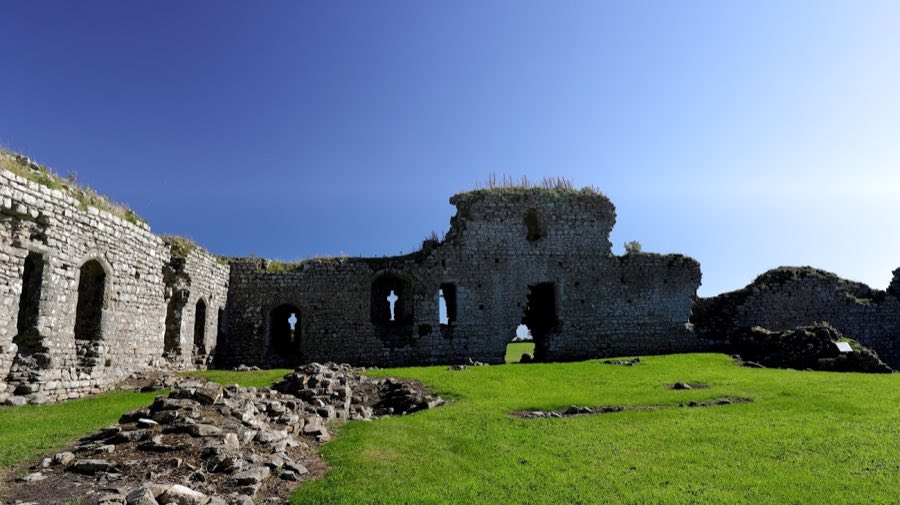
Adjacent to the castle are the remains associated with the thirteenth-century cathedral of St Edan. The medieval cathedral itself did not remain complete, and its ruins are visible beside the later, present cathedral. St Mary’s Abbey, founded in 1158 by King Dermot MacMurrough and the site of his burial in 1171, and other ecclesiastical foundations connected with the early monastery at Ferns also survive only as ruined church and monastery remains. The ruined churches and monastic buildings lie across the site and record the long sequence of religious and defensive construction at Ferns.
No. 37160
No. 66974
No. 77860
No. 31032
Comments
Comments for Ferns will require a verified account before posting.
We'll send a verification link before your first comment is published.