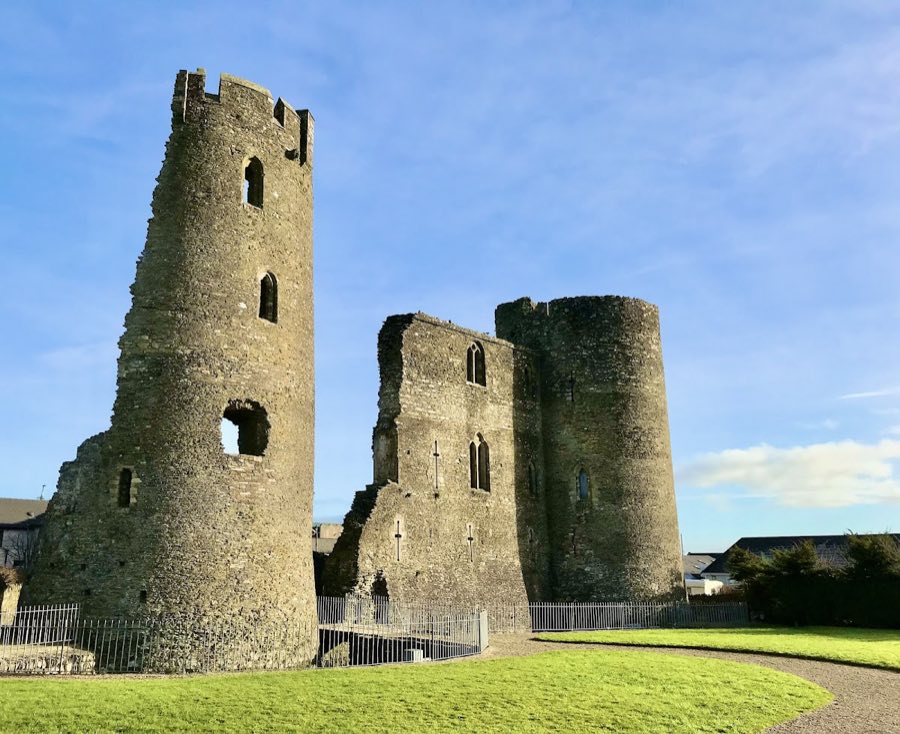
No. 11727
Ferns
Ireland
CastleRuin6th century
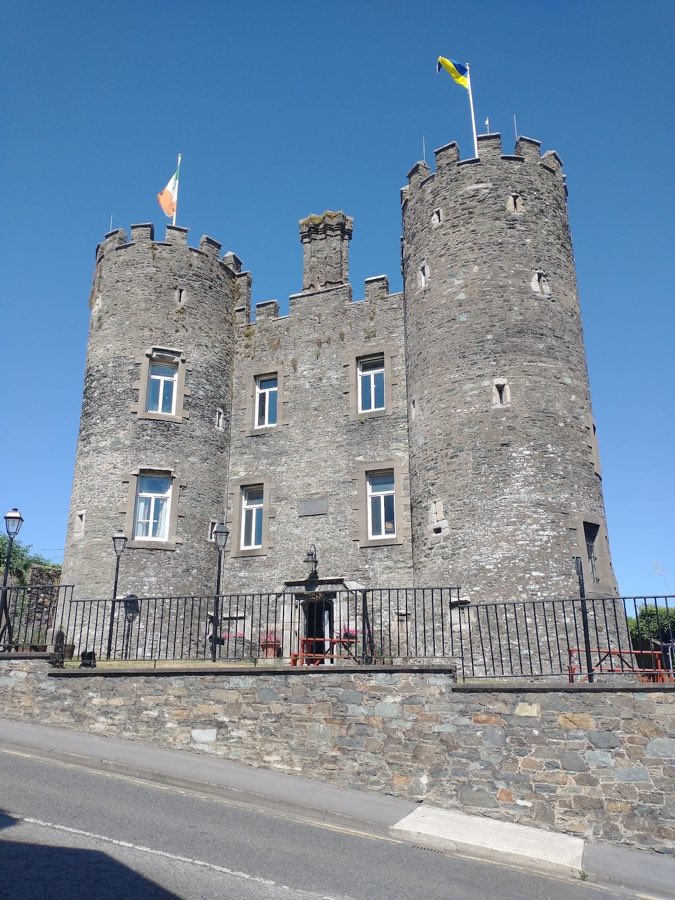
No. 37160
Castle · Ireland
No. 37160 · 52.501 N, 6.567 W
Quick summary
Enniscorthy Castle is a castle in Ireland with origins associated with the 12th century.
See all castles in IrelandEnniscorthy Castle is situated in the town of Enniscorthy, Ireland, and was originally built by Anglo-Norman forces in the late 12th century. It was established as a stone fortress replacing an earlier wooden stronghold, reflecting the military expansion following the Norman invasion of Ireland.
The castle’s foundation dates to the 1190s when the Anglo-Norman knight Philip de Prendergast and his wife Maud constructed the stone structure. Their family maintained control of the castle until the late 14th century. In the 1370s, it was seized by Art MacMurrough Kavanagh, a local Gaelic lord, who captured the fortress as part of regaining ancestral lands. The MacMurrough Kavanagh family controlled the castle for over a century before surrendering it in 1536 to Lord Leonard Grey, representing the English Crown’s authority in the region.
By the late 16th century, Enniscorthy Castle had declined in condition. Around 1569, it suffered significant damage when the Earl of Kildare deliberately set it on fire. In the following decades, Queen Elizabeth I granted the property to the poet Edmund Spenser in 1581, though he never took up residence there. Meanwhile, during the English plantations, Sir Henry Wallop acquired the castle and, around 1590, undertook major rebuilding and expansion, resulting in the 16th-century structure largely seen today.
The castle experienced several violent episodes related to wider conflicts in Ireland. Oliver Cromwell’s forces captured the stronghold in 1649 during the Cromwellian conquest. It changed hands again during the Irish Confederate Wars in the mid-17th century. Later, during the 1798 Irish Rebellion, Enniscorthy Castle was used as a prison by both Irish insurgents and British troops, reflecting its ongoing military and administrative roles.
In the 20th century, the Roche family restored the castle and lived there from 1903 to 1951. Following this period, the castle was converted into the Wexford County Museum. From 2006 to 2011, it underwent extensive renovations and reopened to showcase exhibitions about the castle’s history, the Roche family’s residency, and the industrial and commercial heritage of Enniscorthy. On the castle grounds, a plaque commemorates Denys Corbett-Wilson’s pioneering first flight across the Irish Sea, linking the site to more modern historical milestones.
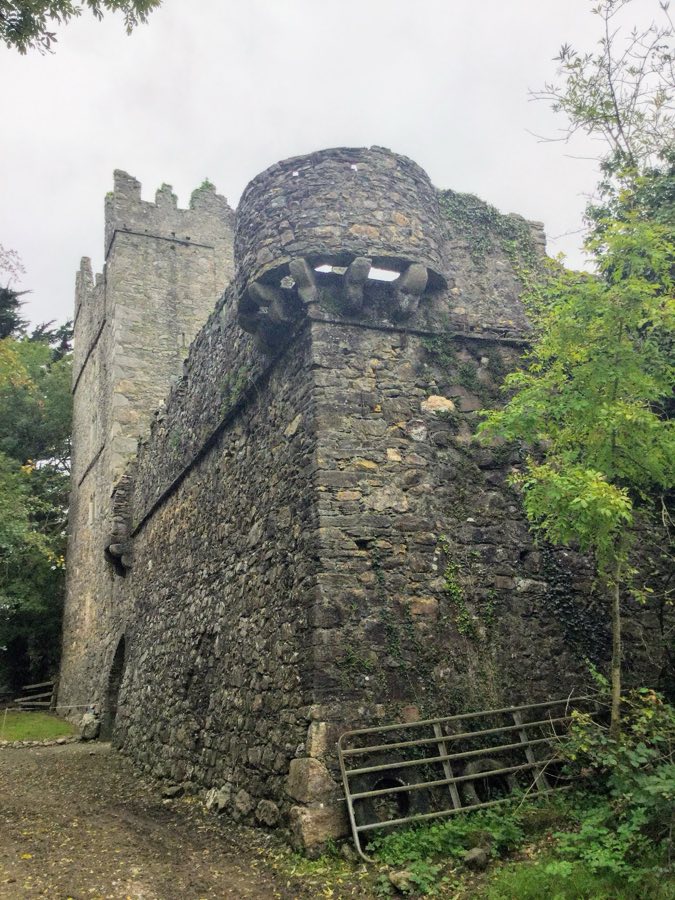
Enniscorthy Castle presents as a Norman-style fortress prominently situated beside the River Slaney in the center of Enniscorthy town. Its layout includes four sturdy corner towers and a rectangular keep, or donjon, rising to four stories. The current visible structure mainly reflects the extensive 16th-century rebuilding and expansion carried out by Sir Henry Wallop during the Elizabethan period. This design closely resembles other contemporary Norman castles such as Ferns Castle and Carlow Castle, emphasizing defensive strength and strategic oversight of the surrounding landscape.
The stone construction evidences medieval building techniques, with thick walls designed for defense. The four corner towers would have functioned as platforms for surveillance and defense, while the central keep served as the main stronghold and residence within the castle complex. Over time, the castle’s condition deteriorated, especially after the partial destruction in the late 16th century, but it retained its fundamental Norman architectural character.
In the early 20th century, the castle was in a state of ruin before the Roche family undertook restoration and extensions to make the site a habitable private home. Today, the castle is well preserved and operates as a museum. Structural elements such as staircases and defensive towers remain intact, illustrating the castle’s medieval origins as well as later modifications. While the original collections have been partially relocated to other Irish museums, the castle still offers a clear representation of its historical phases through its surviving fabric.
The site does not feature specific inscriptions or archaeological finds such as tools or pottery detailed in records, but its continued preservation allows visitors to understand the castle’s evolution from a Norman fortress to a modern cultural institution. The grounds’ commemorative plaque honoring Denys Corbett-Wilson highlights an additional layer of historical importance beyond its medieval and early modern heritage.
No. 11727
No. 66974
No. 31032
No. 24097
Comments
Comments for Enniscorthy Castle will require a verified account before posting.
We'll send a verification link before your first comment is published.