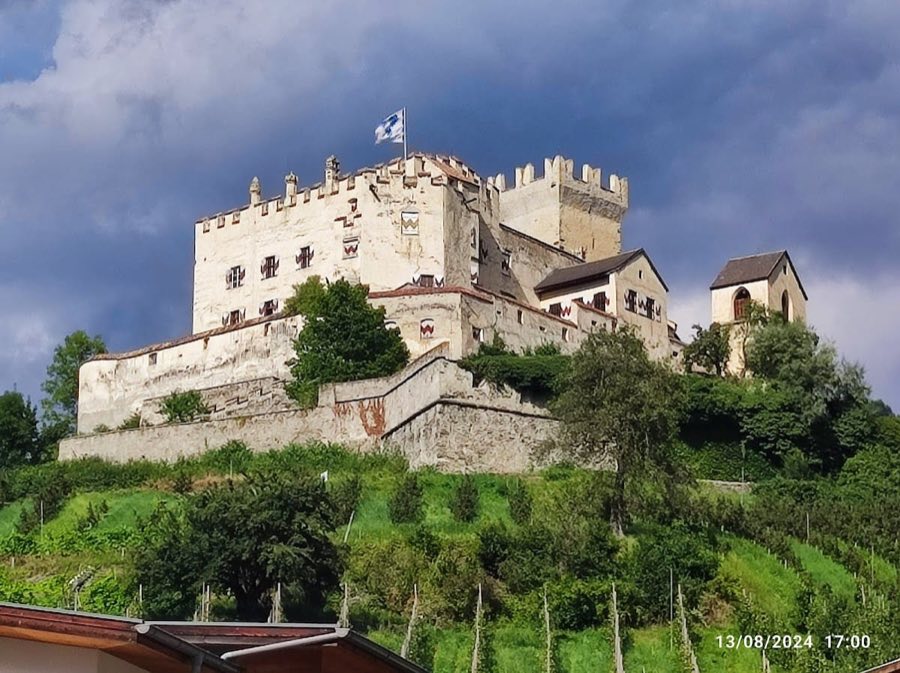
No. 54279
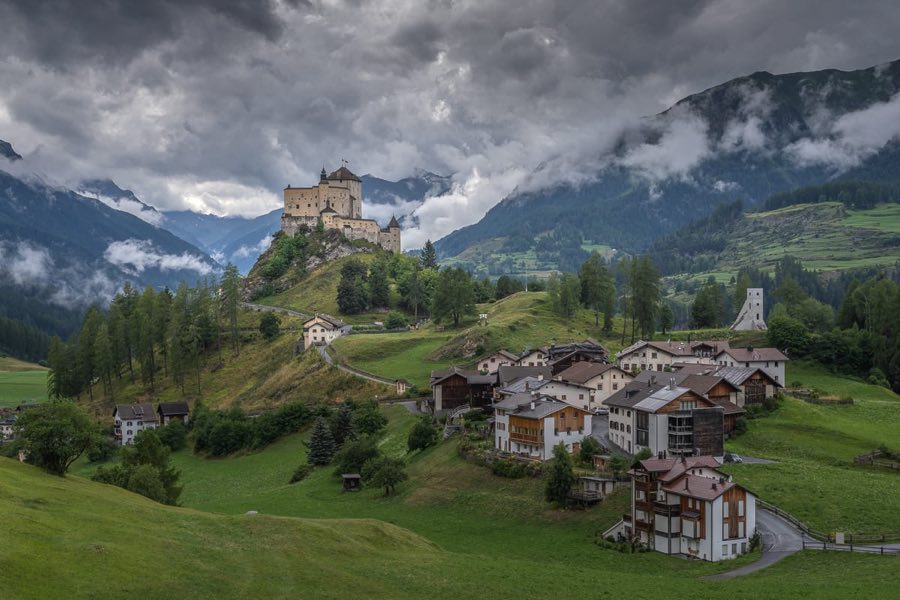
Churburg Castle
Italy
CastleRestoredFor events13th century
No. 24642
Castle · Italy
No. 24642 · 46.689 N, 10.543 E
Quick summary
Fröhlichsburg is a castle in Italy with origins associated with the 14th century.
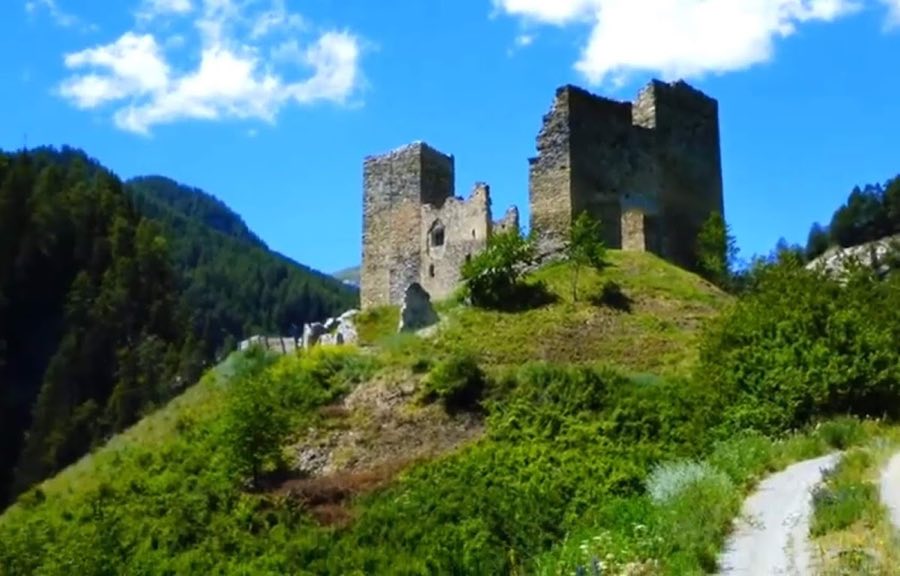
See all castles in ItalyFröhlichsburg stands as a ruined castle above the municipality of Mals, Italy, and was probably erected by a medieval noble line known as the Herren von Mals.
The first building phase included a large defensive tower dated to the 12th–13th centuries and the site may have served as the ancestral seat of the Herren von Mals, a branch of the von Matsch family. Later a bishop of Chur took possession and established the castle as the seat of a tribunal. From the 14th century the place functioned as a court and an administrative center for the surrounding area. The complex has been known by several names over time, including Griesenstein and Malsburg.
In 1499, during the Battle of Calven, forces from the Engadine attacked and set both the town and the castle ablaze. After that destruction the local administrator, known as the Pfleger, removed the court seat to Glurns.
In the second half of the 16th century ownership passed to the Fröhlich family, who undertook repairs and gave the site the name it now bears. In 1563 Emperor Ferdinand I formally enfeoffed Balthasar, Carl, Hans and Pankraz Fröhlich with the property, and Balthasar adopted the style “von Fröhlichsburg.” Around 1603 the male Fröhlich line ended and another Tyrolean family subsequently assumed the name and arms “Fröhlich von Fröhlichsburg.”
Eighteenth‑century images show the castle largely in ruins, and a local tradition records that stones from the site were taken in 1838 to enlarge the parish church of Mals. The ruins received legal protection in the mid‑20th century and were entered on the provincial list of monuments in 1981. The property is privately owned by the Counts Khuen‑Belasi. A local association called “Freunde der Fröhlichsburg” organized a restoration of the main tower, and work on the tower with the addition of a viewing platform was completed in 2004, accompanied by a commemorative Festschrift.
The ruin forms a compact medieval castle complex centered on a substantial defensive tower, later joined by a residential wing and an outer ward. Archaeological and historical records identify the core tower as originating in the 12th–13th centuries; the residential block, known as the palas, and the surrounding outer ward were later additions that enclosed and expanded the original strongpoint. The surviving elements are fragmented but display the sequential growth of a high medieval stronghold into a small court compound.
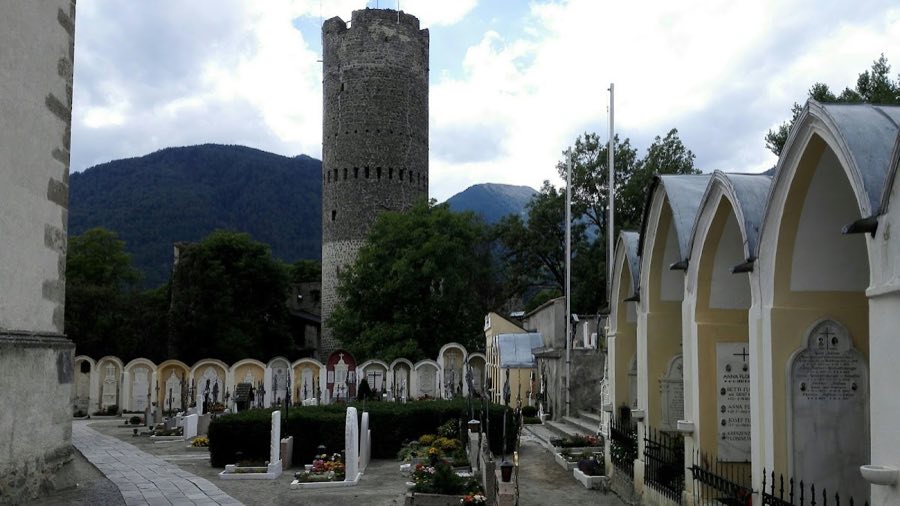
The principal tower, the bergfried, is dated to the 12th–13th century and functioned as the castle’s main defensive tower. An Italian description records this surviving tower as cylindrical in form. In 2004 conservation work concentrated on this tower and a viewing platform was added as part of that intervention. Today the tower stands as the most prominent restored element of the site.
The palas was built next to the bergfried during a later phase and served as the residential and representative space of the castle complex. It was enclosed by an outer ward that defined the immediate defensive perimeter. Eighteenth‑century representations show the palas in a ruinous state, and a local legend records that stones from the castle were reused in 1838 to extend the parish church of Mals, indicating early removal and reuse of masonry.
Overall the complex survives largely in ruin, with the cylindrical tower and parts of the palas remaining in situ and visitable. The site has undergone targeted conservation, most visibly the 2004 tower work, and remains under private ownership with measures in place for its preservation.
No. 54279
No. 89954
No. 65404
No. 24162
Comments
Comments for Fröhlichsburg will require a verified account before posting.
We'll send a verification link before your first comment is published.