No. 17634
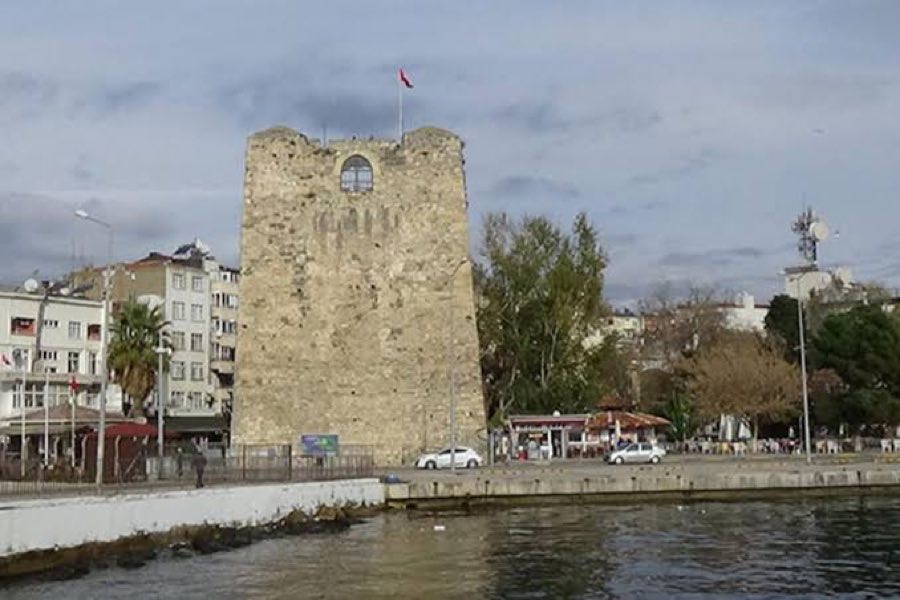
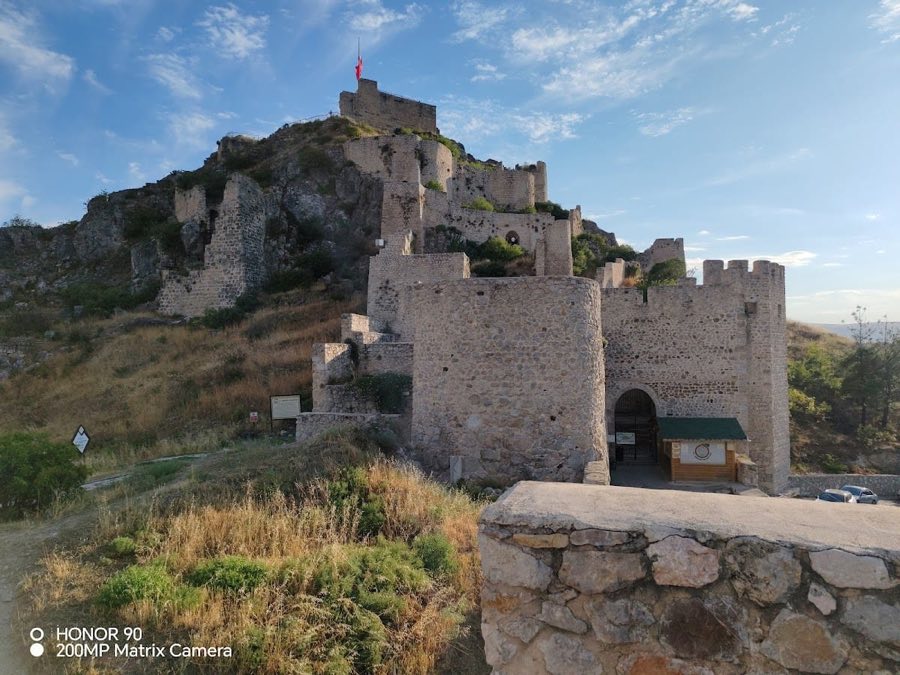
Sinop Castle
Turkey
CastleRuin7th century
No. 41829
Castle · Ukraine
No. 41829 · 44.752 N, 34.388 E
Quick summary
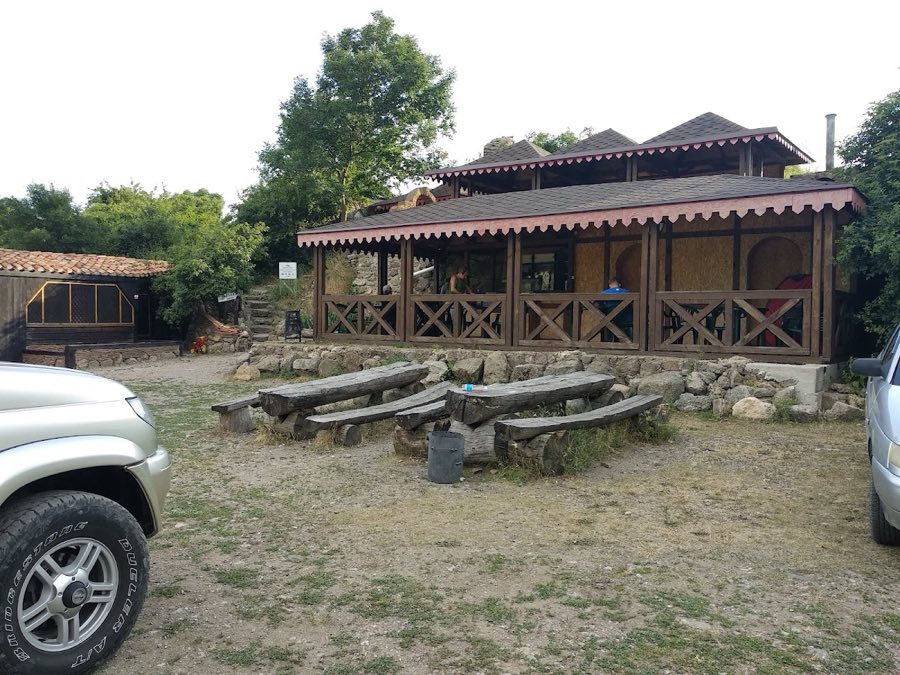
Funa Fortress is a castle in Ukraine with origins associated with the 14th century.
See all castles in UkraineFuna Fortress, near the village of Luchiste, Russia, was built by the medieval Principality of Theodoro.
The place-name Funa appears in patriarchal acts from 1377–1379, 1384 and 1390, and later documents record it as a populated place and a parish. In the late medieval period the site served as the principality’s eastern military outpost, placed to face the Genoese fortress at Aluston and to oversee a caravan route running from the Crimean steppe down to the coast.
The main fortification was constructed in 1422–1423, with the most likely season of completion in spring–summer 1423. In October and November 1423 a major earthquake caused widespread destruction of the new works. The fortress appears to have been repaired around 1425, but those restored buildings were soon subject to burning; historical discussion records two possible episodes for this destruction, either the Genoese punitive expedition of 1434 led by Carlo Lomellini or attacks by Ottoman raiders in the 1450s.
In 1459 the ensemble underwent a substantial rebuilding and was turned into a castle, with its defenses significantly strengthened at that time. The site ended its role as a functioning fortress in 1475, when Ottoman forces completed the conquest of Crimea. In the modern era a large rock collapse in 1894 created a nearby field of large boulders and prompted local abandonment of the area, and the Yalta earthquake of 1927 inflicted further damage on the ruins. Archaeological investigations and excavations have been carried out at the site, and since October 2015 the complex has been registered as the Archaeological Complex “Watch Fortification Funa,” an object of federal cultural heritage.
The fortified enclosure occupies a compact ridge platform measuring about 106 metres from north to south and 56 metres from west to east, giving an area close to 0.52 hectares. Excavations and field surveys have revealed the layout of a small citadel dominated by defensive walls and several towers that follow the hill’s contours and controlled the approaches to the position.
A three-storey keep added in the 1459 reconstruction stands out among the remains. This tower rose to about 15 metres, its internal plan measuring roughly 6 by 10 metres and its walls around 2.3 metres thick. Positioned in the gateway zone, the keep commanded the entrance and the immediate approaches to the inner enclosure and formed the principal strongpoint after the mid fifteenth-century rebuilding.
The complex also contained entrance works and smaller doors for sorties and service access, stepped passages that linked the different fighting levels around the hill, a cistern to hold water, and a range of auxiliary service buildings. These elements are attested in excavation reports and show how the castle combined defensive and practical facilities to sustain garrison activity. Many of these features bear evidence of the 1459 strengthening and later phases of repair.
The church dedicated to St. Theodore Stratelates is a prominent component of the ruined ensemble. Its remains indicate it survived the 1475 destruction better than most military buildings and it was repeatedly repaired and rebuilt, remaining standing into the early twentieth century. Today the church survives only as ruinous fabric within the site.
Overall preservation is fragmentary: stretches of medieval walling, tower bases, the rebuilt keep and the church remain in ruined condition, set among slopes altered by a large rockfall in 1894 and further damaged by the 1927 earthquake. Archaeological work has exposed and recorded these elements, leaving an ensemble of ruined defensive and ecclesiastical fabric that reflects the site’s sequence of construction, destruction and rebuilding.
No. 17634
No. 87314
No. 61674
No. 56542
Comments
Comments for Funa Fortress will require a verified account before posting.
We'll send a verification link before your first comment is published.