No. 27132
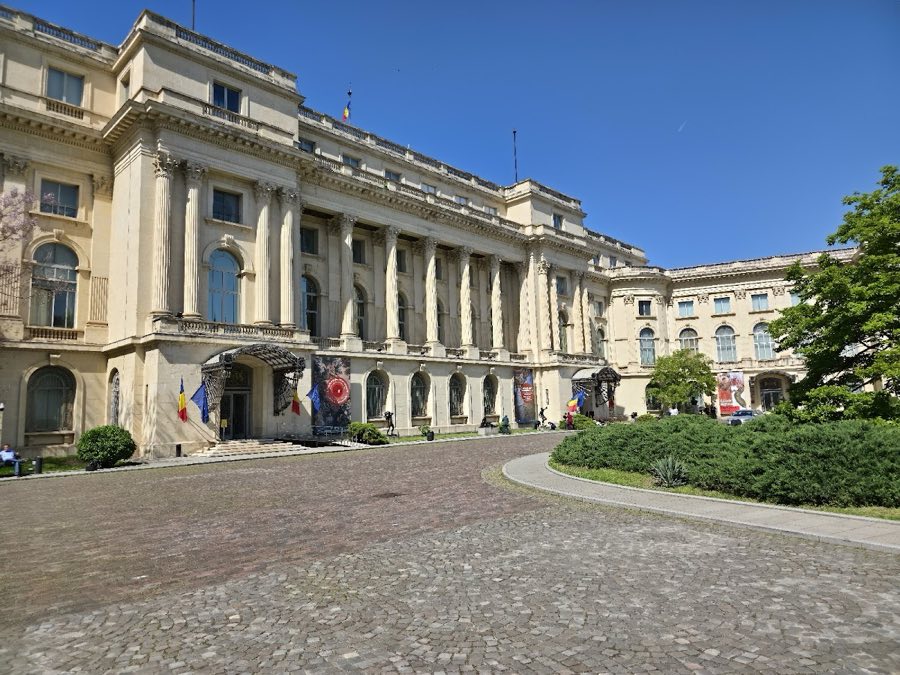
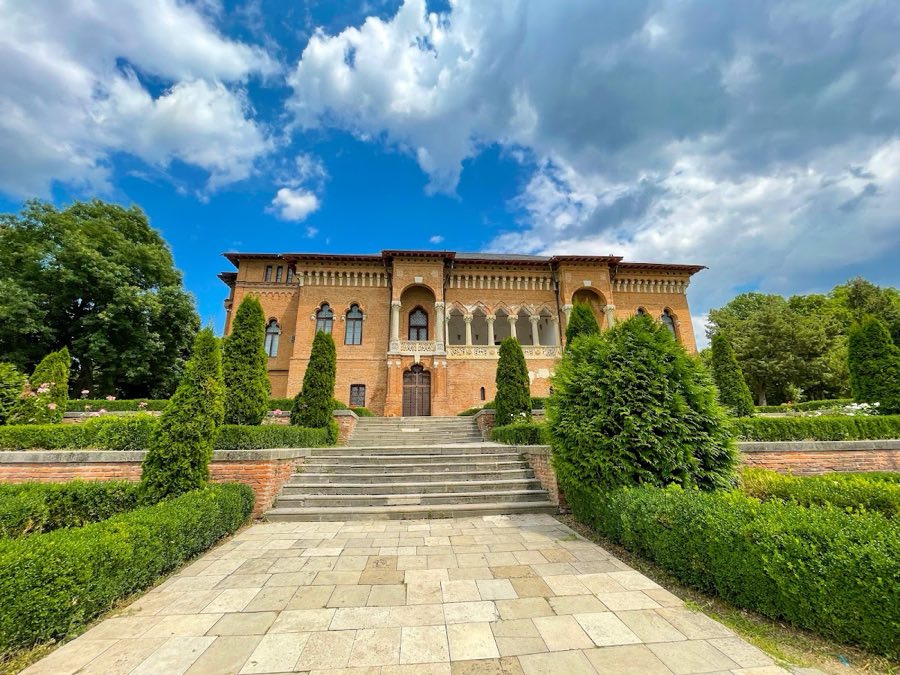
Royal Palace of Bucharest
Romania
PalaceRestoredFor events19th century
No. 61674
No. 61674 · 44.884 N, 28.835 E
Quick summary
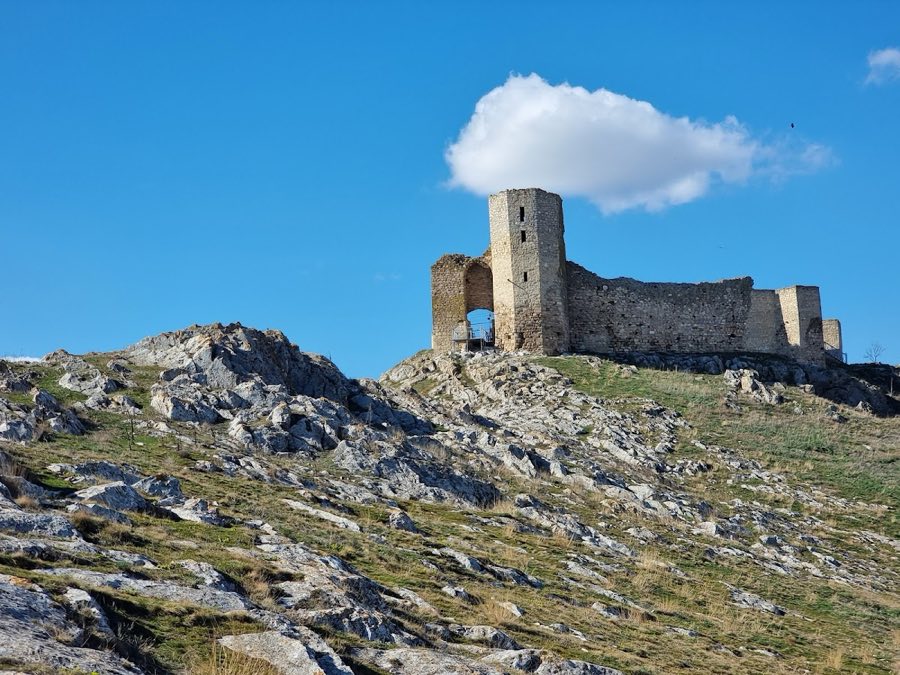
Enisala Fortress is a castle in Romania with origins associated with the 15th century.
See all castles in RomaniaEnisala Fortress, in Enisala, Romania, was first erected by the Byzantine state in the Middle Ages. The place has also been recorded under the name Heracleea.
Human use of the hill and its slopes predates the medieval castle. At the foot of the escarpment archaeologists have uncovered the remains of a Roman military camp dated to the fourth century CE. Below the medieval remains there is also a Getic burial ground dated to the fourth century BCE, showing occupation of the area well before the castle was built.
The medieval stronghold was established on the limestone bluff overlooking a bay of the Black Sea. Builders from Genoa enlarged and reinforced the works during the thirteenth or fourteenth century, creating the walls and defensive layout that characterize the site’s surviving fabric. During the reign of Mircea the Elder the fortress passed into Wallachian control. Ottoman forces took the site in either 1416 or 1417.
The castle’s strategic role ended after Ottoman borders advanced past the Danube delta and the bay at the foot of the fort gradually silted up, forming what became Lake Razim. Cut off from the open sea, the position lost military value and was abandoned.
The fortress crowns a limestone escarpment that once looked out over a coastal bay later transformed by silting into Lake Razim. Surviving sections reflect multiple building phases, with the fort’s overall plan described as irregular. From the northeast two rectangular towers project, while the western curtain turns outward; these elements survive only as fragments within the ruined outline.
Walls attributed to the Genoese measure about three metres in thickness and reach roughly six to seven metres in height where they remain standing. These substantial wall sections date to the thirteenth or fourteenth century enlargement and show the scale of the medieval defensive works. The general plan and the location of the rectangular towers correspond to that Genoese phase.
At the base of the hill are several important archaeological deposits. A Roman camp dated to the fourth century CE has been identified among the lower remains. Two large burial areas were found nearby: a Getic (Dacian) necropolis from the fourth century BCE and a medieval necropolis dated to the fifteenth century. Each of these sites is preserved as archaeological remains associated with the fortress hill.
Today the castle survives in a ruined condition, its walls and towers standing in fragmentary form on the limestone ridge. The landscape around the ruin, including the former coastal bay now represented by Lake Razim, records the environmental changes that contributed to the site’s loss of military importance and later abandonment.
No. 27132
No. 80404
No. 45194
No. 21431
Comments
Comments for Enisala Fortress will require a verified account before posting.
We'll send a verification link before your first comment is published.