No. 60862
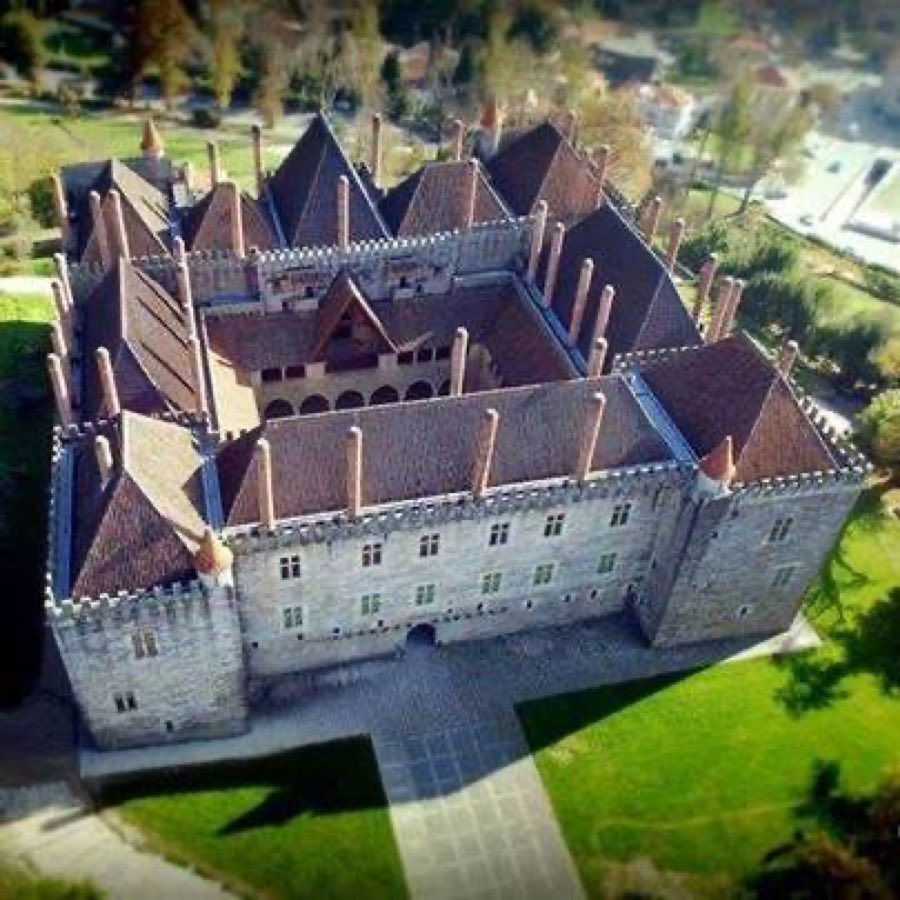
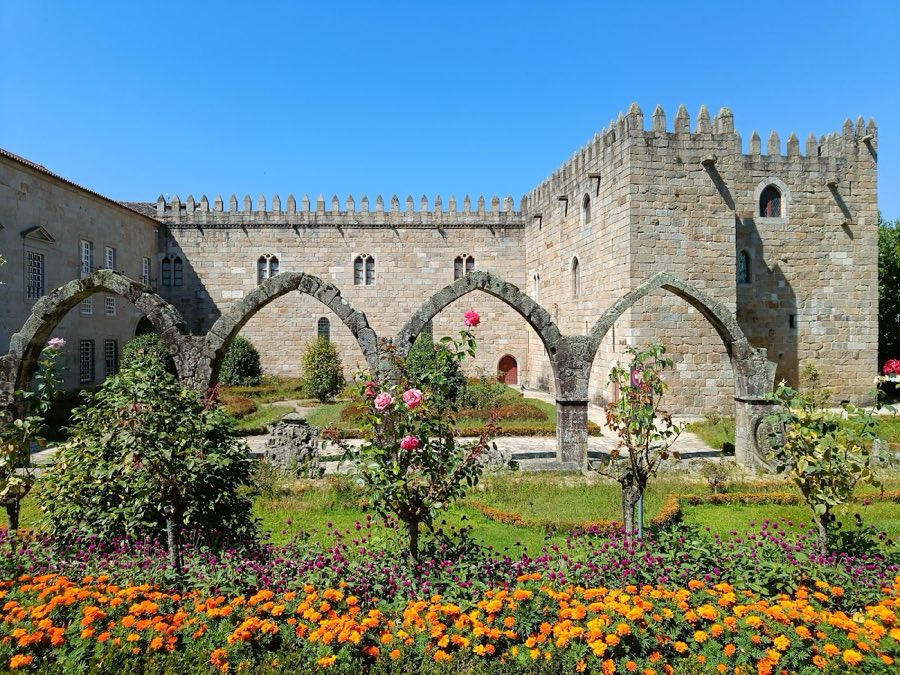
Palace of the Dukes of Braganza, Guimarães
Guimarães, Portugal
PalaceRuinFor events15th century
No. 60782
Castle · Portugal
No. 60782 · 41.448 N, 8.290 W
Quick summary
Guimarães Castle is a castle in Portugal with origins associated with the 10th century.
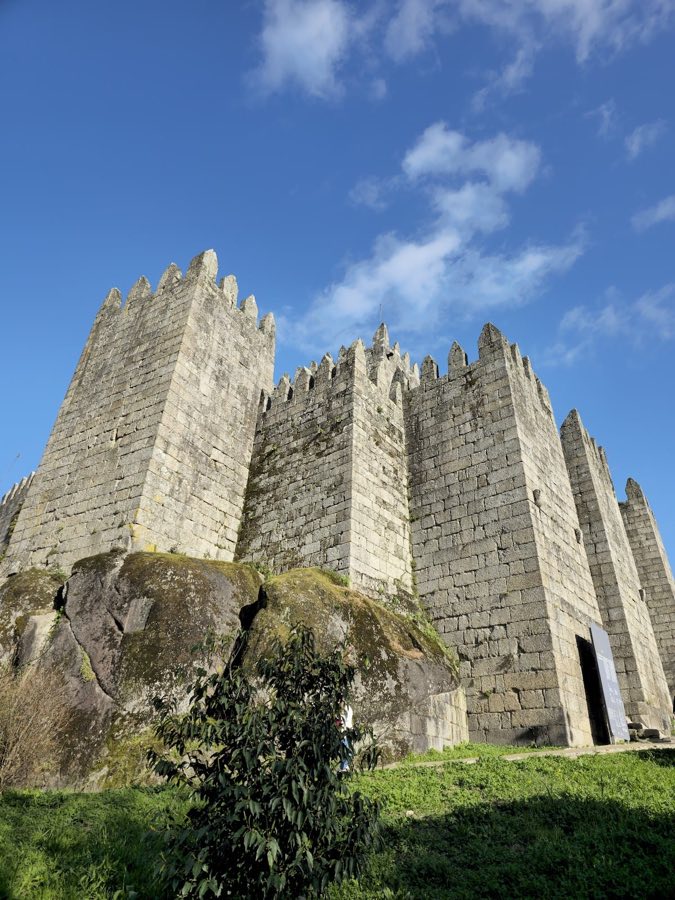
See all castles in PortugalGuimarães Castle is located on a granite hill within the northern limits of Guimarães, Portugal. It was originally built in the 10th century by Countess Mumadona Dias. She ordered its construction to protect the monastery she founded and the surrounding population from attacks by Moors and Norse invaders. A document dated 4 December 968 refers to the castle, then known as the Castle of São Mamede, as newly built to defend the religious community of the monastery.
In the late 11th and early 12th centuries, the castle became the residence of Count Henry of Burgundy and his wife Teresa. Their son, Afonso Henriques, who was born in the castle in 1111, later became the first King of Portugal. The castle played a crucial role in the Battle of São Mamede in 1128, a conflict that marked the beginning of Portugal’s independence from the Kingdom of León.
During the late 13th and early 14th centuries, King Denis ordered significant remodeling and expansion of the castle. This included the construction of the central keep and residential buildings, likely built over earlier structures. The castle was further fortified in the 14th century as it faced sieges from Castilian forces and internal Portuguese conflicts.
From the 15th century onward, the castle’s military importance declined due to advances in artillery technology. It was repurposed as a municipal prison and royal storehouse, which led to gradual neglect and partial ruin by the 18th and 19th centuries. In 1836, there were proposals to demolish the castle and reuse its stone for paving, but these plans were rejected. The castle was declared a national monument in 1910. Restoration efforts began in 1937 and culminated in a re-inauguration in 1940, coinciding with the 800th anniversary of the Portuguese nation.
Archaeological excavations in 2004 confirmed the presence of structures dating back to the 10th century, reinforcing the castle’s early origins and continuous historical significance.
Guimarães Castle has a roughly pentagonal layout resembling a faceted shield. Its walls are built of granite ashlar masonry, a technique using finely cut stone blocks. The fortification is reinforced by eight rectangular towers, with four towers flanking the main western gate and four towers surrounding the eastern gate known as the “Porta da Traição” or “Gate of Treason.” The walls contain eight gates in total.
At the center of the courtyard stands the keep, or Torre de Menagem, a square tower with few openings. Inside, wooden and stone staircases connect its floors. The keep is topped with pointed pentagonal battlements and features a continuous wide walkway called an adarve, which allows movement and observation along the top of the walls. Access to the adarve is provided by stairs located within the towers.
On the northern section of the castle walls, ruins remain of an older fortified enclosure called the alcáçova, likely dating from the 14th century. This structure had two floors, with notable exterior windows and two chimneys visible today. A wooden bridge on the western side connects the adarve to the main gate of the keep tower.
Within the castle grounds, a medieval well was discovered during electrical installations, confirming the site’s long-term occupation. Nearby stand the Romanesque Church of São Miguel do Castelo and the Palace of the Dukes of Braganza, along with remnants of the medieval city walls that were originally integrated with the castle’s defenses.
A bronze medallion honoring Afonso Henriques is affixed to a large rock near the southern tower, commemorating the castle’s connection to Portugal’s first king. The castle’s granite construction and Gothic architectural elements reflect the remodeling carried out in the 13th century under King Denis. Today, the castle is well preserved, with restoration work maintaining its historical features.
No. 60862
No. 56746
No. 49361
No. 16406
Comments
Comments for Guimarães Castle will require a verified account before posting.
We'll send a verification link before your first comment is published.