No. 96895
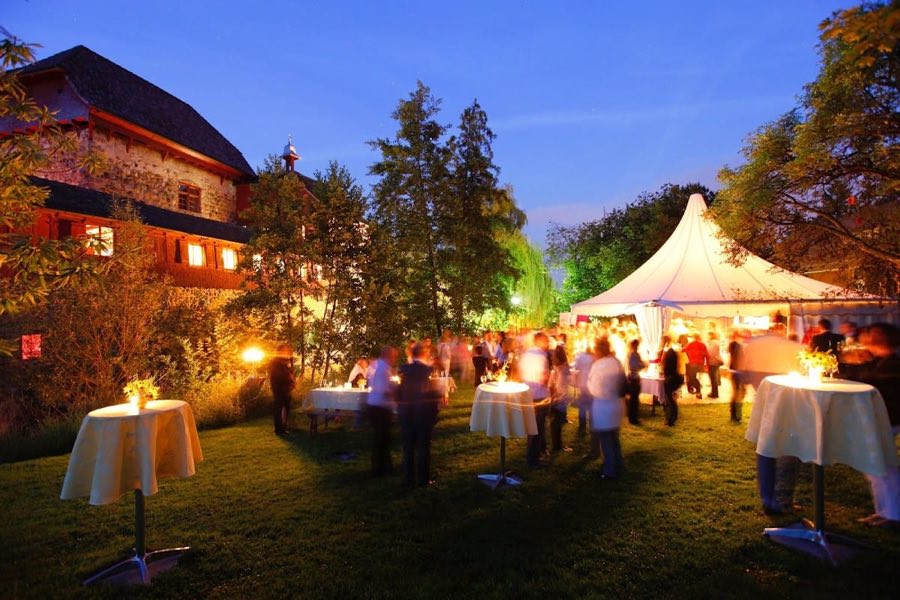
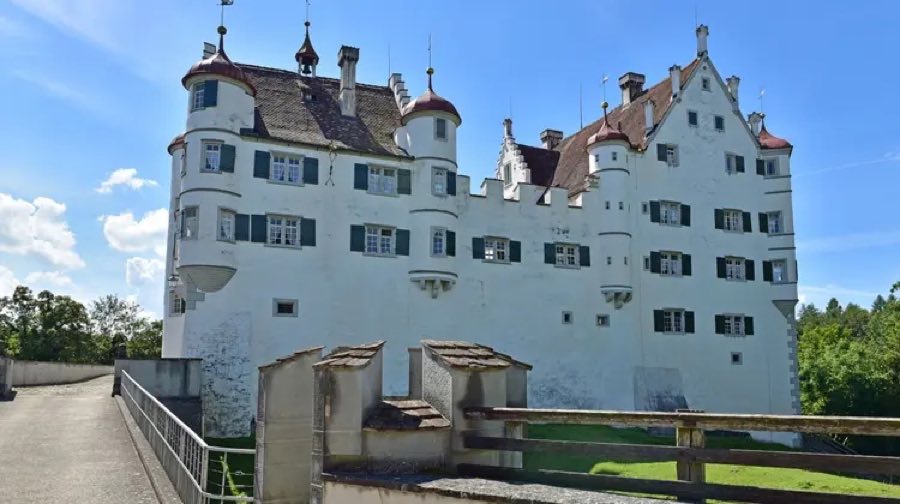
Hagenwil Castle
Switzerland
CastleRestored13th century
No. 99445
Castle · Switzerland
No. 99445 · 47.518 N, 9.193 E
Quick summary
Last Castle Ruin is a castle in Switzerland with origins associated with the 12th century.
See all castles in SwitzerlandLast Castle Ruin, located in the municipality of Kradolf-Schönenberg in Switzerland, was originally constructed by the medieval Schönenberg family in the early 12th century. This family served as ministeriales, a class of unfree knights performing administrative and military duties for the Bishop of Constance, from whom they held the site as a fief. The castle, first known as Vesti or Burg Schönenberg, was built on a prominent hilltop to oversee surrounding lands within the bishopric’s territory.
Documents dating back to 1159 mention the earliest known members of the Schönenberg family, Bertoldus and Rodolfo de castro Scoenenberc. By 1211, a descendant named Friedrich II. von Schönenberg is recorded as a participant in a crusade, reflecting the family’s status and involvement in broader European affairs. The castle remained in the possession of the Schönenbergs until the mid-14th century when financial problems forced Johannes III. von Schönenberg to return both the castle and its lands to the Bishop of Constance. By 1360, he had formally given up all claims to the site, leading to the transfer of ownership to the Heidelberg family.
In 1407, the castle suffered destruction at the hands of insurgents during the Appenzell Wars, a series of conflicts between the rural population of Appenzell and the ruling powers. The fortress was quickly rebuilt after this event, but beginning in 1460, records no longer mention resident occupants, indicating a decline in its strategic or residential importance. Over time, the castle was gradually abandoned and fell into ruin.
In the modern era, the ruined site became the property of the canton of Thurgau in 1804. It entered private ownership in 1869 and later passed into municipal hands when Neukirch acquired it in 1960. The municipality then gave the ruin to a dedicated cooperative in 1974, which has overseen ongoing preservation and restoration efforts since that time.
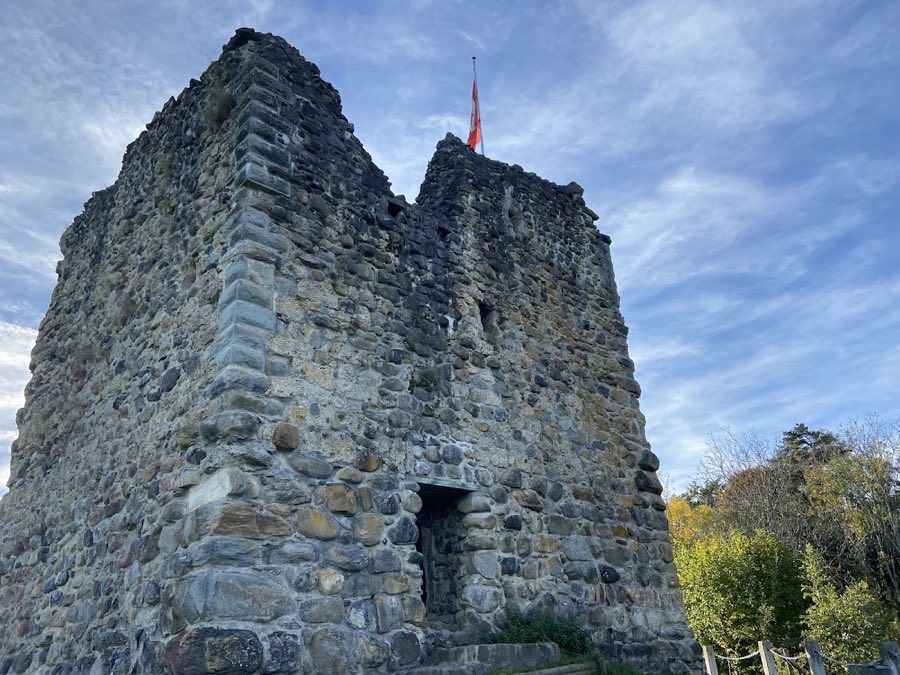
The surviving structure at Last Castle Ruin consists mainly of the remains of a residential tower erected during its original construction phase in the 12th century. The tower’s footprint is nearly square, measuring around 10 by 11 meters. It rises to a height of about twelve meters in the preserved sections, with walls that encompass three stories. This form is typical of a hill castle, known in German as a Höhenburg, designed to take advantage of a raised position for defense and surveillance.
One of the most distinctive architectural features still visible is the elevated original entrance situated in the northern wall of the tower. Such raised entrances were common in medieval castles to improve security, typically accessible only by removable ladders or stairways. The construction techniques and materials, although not detailed in specific historical records, would have suited the defensive needs and the period’s building standards.
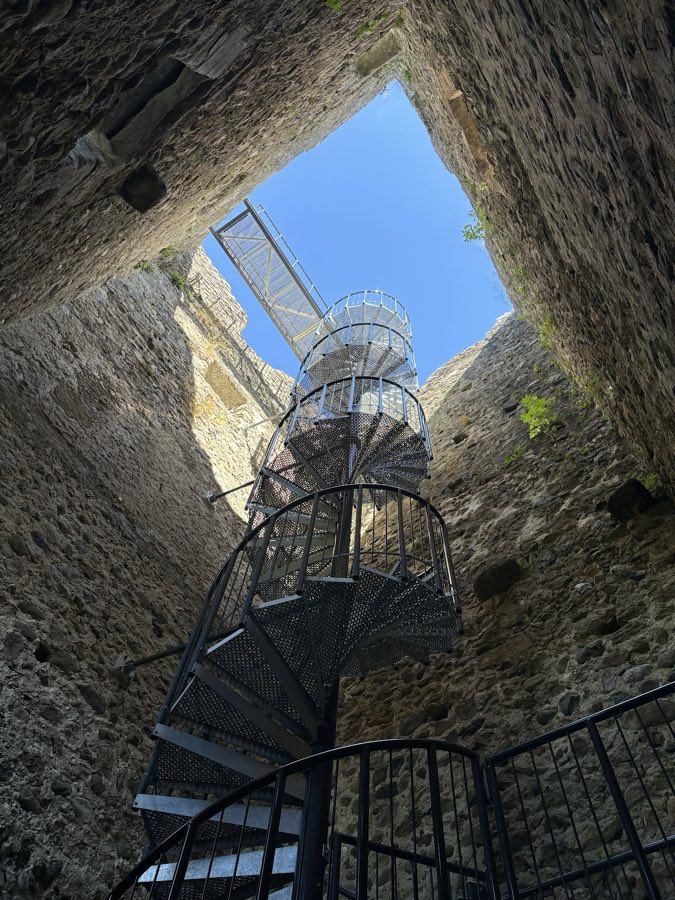
Throughout the years, the tower has remained a ruin but has been the focus of multiple restoration campaigns that started in 1974 and continued into the early 21st century. In 2013, the surrounding environment was enhanced with the addition of a new staircase and fencing along with restoration of the entrance. These improvements have helped preserve the structural remains and stabilize the site.
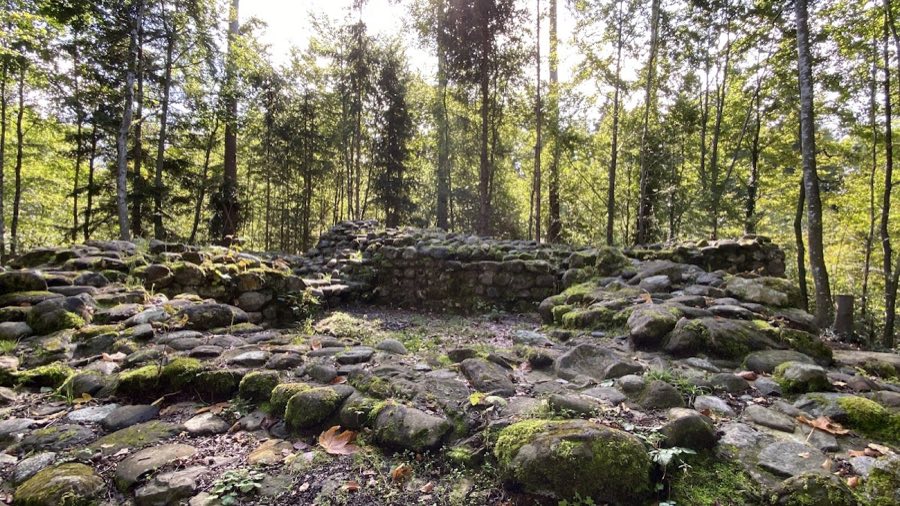
Today, the ruin stands as a recognizable historic landmark with its original form largely intact, offering insight into medieval architecture typical of fortifications held by ministeriales in service to religious authorities. The hilltop location and remnants convey the enduring presence of the castle in the landscape and its long history of construction, conflict, and decline.
No. 96895
No. 79802
No. 43235
No. 39615
Comments
Comments for Last Castle Ruin will require a verified account before posting.
We'll send a verification link before your first comment is published.