No. 78785
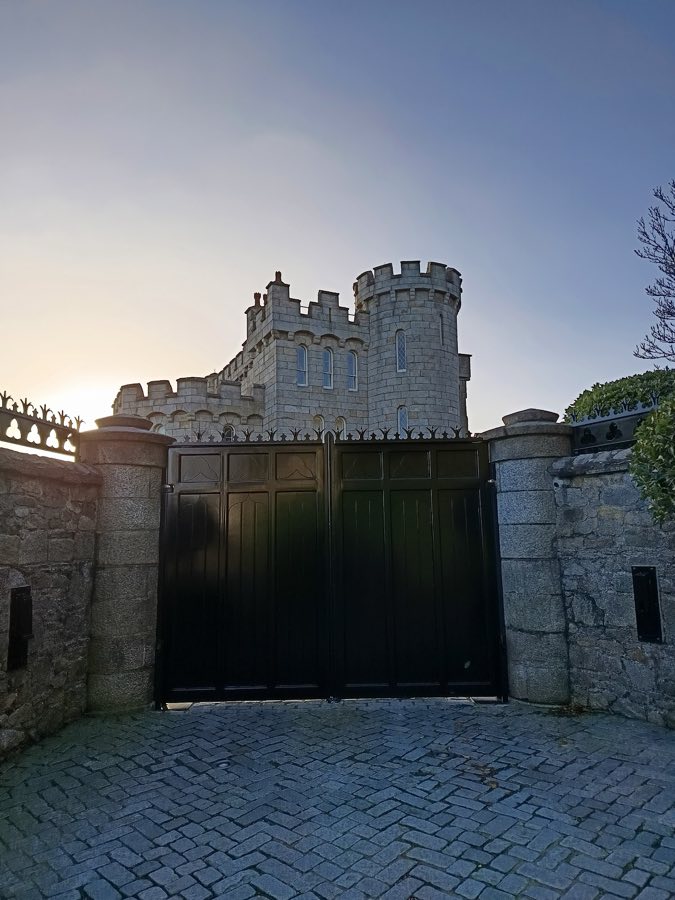
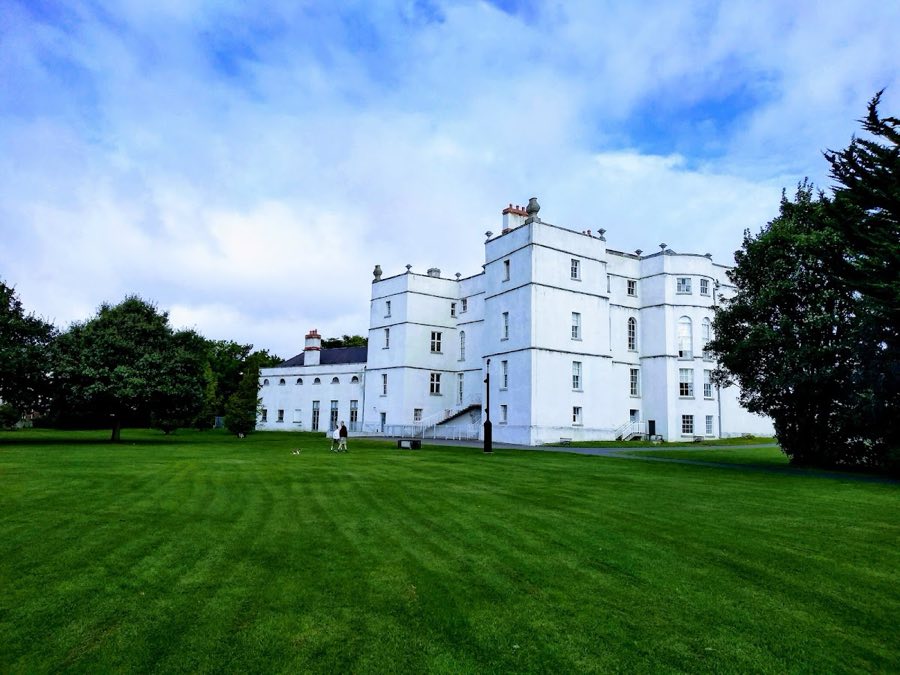
Manderley Castle, Dalkey
Dalkey, Ireland
CastleRestored19th century
No. 68264
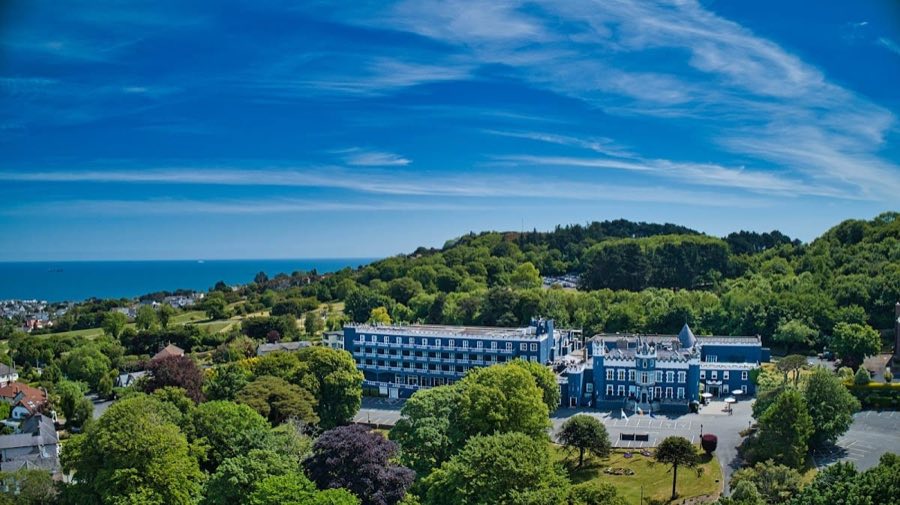
Castle · Ireland
No. 68264 · 53.269 N, 6.113 W
For rent
Killiney Castle is marked for bookable castle accommodation. Nightly pricing, sleeps count, stay rules, and amenities are displayed only when public operator data is available.
Rental type: Hotel / bookable stay, Short-stay rental
Short-term availability: Bookable accommodation signal
Quick summary
Killiney Castle is a castle in Ireland with origins associated with the 18th century.
See all castles in IrelandKilliney Castle is situated in the coastal area of Killiney, Ireland, where it has stood as a notable landmark since the 18th century. The site’s earliest significant development was initiated by Colonel John Malpas in 1740, who built a Georgian mansion known then as Mount Malpas. His estate occupied lands historically associated with the Talbot family of Malahide, whose presence in the region dated back to the 1200s. Over the course of the 18th century, the estate changed ownership several times, passing through the hands of Captain Maunsell in 1755 and Colonel Loftus in 1770. Under Loftus, the property became known as Loftus Hill, a name derived from Henry Loftus, a member of parliament turned Viscount Ely, who invested in landscaping and improved access roads within the grounds.
In the early 19th century, the Bourchier family established themselves at the estate. Thomas Bourchier, in particular, played a role as Clerk of the Crown and Usher of the Black Rod in the Irish House of Commons. His family is believed to have erected a memorial obelisk on Killiney Hill, which stands as a tribute during this period. By the 1830s, Robert Warren acquired the property and formally named it Killiney Castle. Around 1840, Warren undertook architectural enhancements, adding decorative battlements and Gothic features with the assistance of the architect Sandham Symes. He was also involved in regional infrastructure, facilitating the construction of a nearby railway stop, known as Obelisk Hill Halt, on his land.
Financial difficulties forced Warren to sell much of the surrounding estate in 1871, though the castle itself remained in his family, passing to his son by 1873. The Jesuit Order briefly held the property from 1877 to 1880, using it as a holiday retreat during their tenure. Shortly thereafter, Thomas Chippendall Higgin became the owner. Higgin added distinctive architectural elements, including a half-octagonal tower with castellated battlements and a cut-stone entrance bearing a carved plaque styled after the 17th century.
The early 20th century brought turbulence as Killiney Castle played roles in Ireland’s struggle for independence and civil conflict. During the Irish War of Independence and the Irish Civil War (1919–1923), it was occupied at various times by the British paramilitary group known as the Black and Tans, as well as by the Irish Republican Army (IRA). The building suffered damage by fire and was left abandoned for a period before resuming use as an IRA base in the 1930s. During World War II, referred to in Ireland as The Emergency (1939–1945), the Irish Army requisitioned the castle for military purposes.
In 1970, a significant change of use took place when the Fitzpatrick family acquired Killiney Castle and converted it into a hotel. This new phase preserved the building’s heritage while adapting it for hospitality, and the property continues under their stewardship to this day.
Killiney Castle stands upon a substantial estate that originally covered approximately 150 acres, mostly enclosed by a stone boundary wall except along the side facing the sea. The main house began as a Georgian country residence, characterized by two floors above a basement, with a layout featuring six rooms and two large closets on each level. This original 18th-century mansion set the foundation for later ornate enhancements.
In the mid-19th century, Robert Warren substantially transformed the building’s exterior with the addition of castellated features. These included faux medieval corner towers, turrets, battlements, and a Gothic style porch that dramatically altered the once simple profile of the house into a fortress-like mansion. Later modifications by Thomas Chippendall Higgin introduced a distinctive half-octagonal tower with battlements, along with a carefully crafted cut-stone doorway adorned with a carved plaque evoking 17th-century architectural motifs. These additions enhanced the castle’s historical character and visual complexity.
Surrounding the main house, the demesne was extensively cultivated with ornamental gardens containing fruit trees and flowering plants. High stone walls enclosed much of the property, and a carriage road circled around Killiney Hill, bordered by planted trees and shrubs. These landscaping features are credited largely to Henry Loftus’s efforts to improve the estate’s grounds during his ownership in the late 18th century.
One prominent feature within the estate is the Bourchier Obelisk on Killiney Hill, which serves as a memorial associated with the family’s residence in the early 19th century. The obelisk remains a protected historic structure and is a tangible reminder of the family’s connection to the land. Additionally, a Church of Ireland parish church dedicated to the Holy Trinity was constructed on the grounds in 1859, with part of the funding provided by Robert Warren, further emphasizing the estate’s role in the local community during this period.
Although the castle sustained fire damage and periods of neglect in the early 20th century, particularly during its use in conflict, it was later restored and adapted to serve as a hotel in the 1970s. These restorations preserved much of the building’s historic architectural features while enabling contemporary use. Today, Killiney Castle displays a layered history through its structure and surrounding landscapes, reflecting centuries of evolving ownership, usage, and design.
No. 78785
No. 93660
No. 53944
No. 68387
Comments
Comments for Killiney Castle will require a verified account before posting.
We'll send a verification link before your first comment is published.