No. 54660
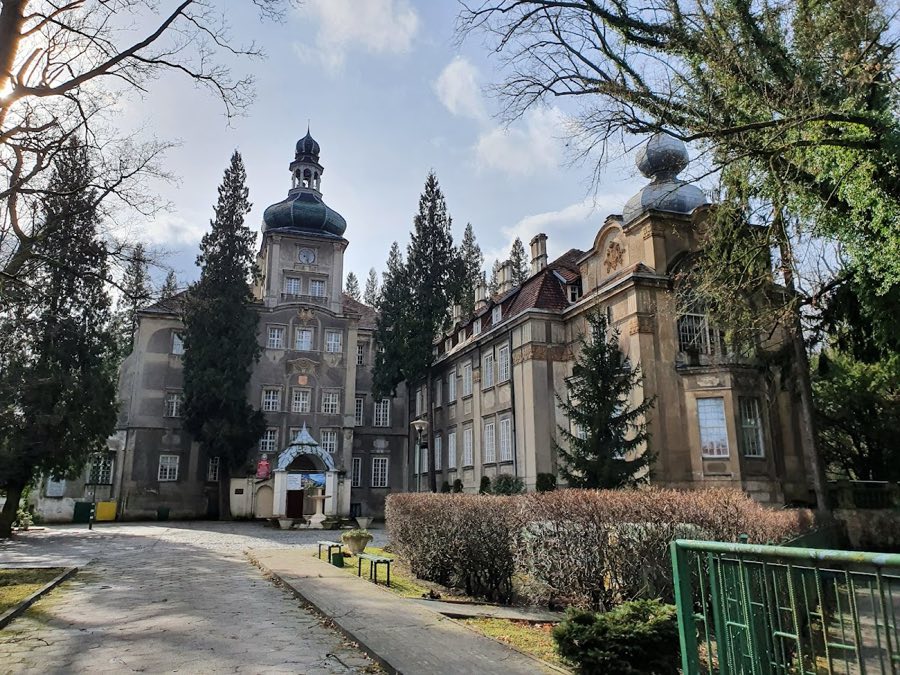
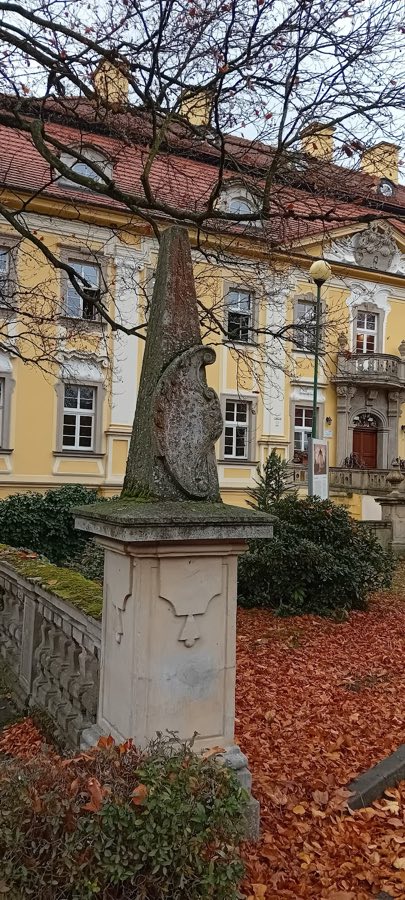
Palace in Iłowa
Poland
CastleRestored15th century
No. 85076
Castle · Poland
No. 85076 · 51.336 N, 15.434 E
For rent
Kliczków Castle is marked for bookable castle accommodation. Nightly pricing, sleeps count, stay rules, and amenities are displayed only when public operator data is available.
Rental type: Hotel / bookable stay, Short-stay rental
Short-term availability: Bookable accommodation signal
For events
Kliczków Castle is marked as a château or castle venue lead. Capacity, indoor/outdoor spaces, catering rules, and accommodation options are published only after public verification.
Event types: Private events, Cultural gatherings, Filming and photography
Accommodation: Accommodation signal present
Quick summary
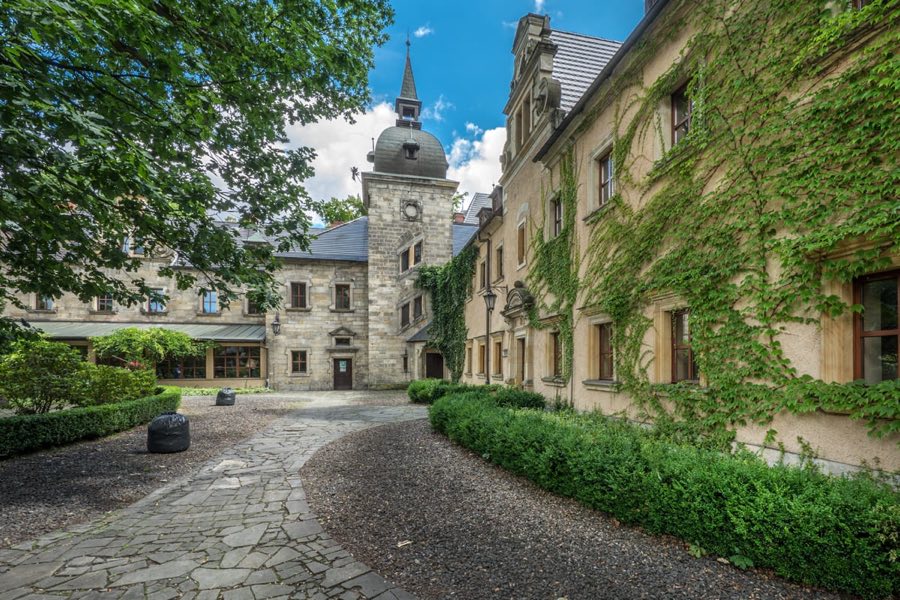
Kliczków Castle is a castle in Poland with origins associated with the 14th century.
See all castles in PolandKliczków Castle is situated in the municipality of Kliczków in modern-day Poland. It was originally constructed by the Silesian Piast ruler Bolko I of Świdnica in 1297 as a defensive fortress on the Kwisa River to guard the territory against incursions from neighboring Bohemia.
During the late 14th century, the castle changed hands when it was acquired by the Saxon noble family von Rechenberg in 1391. Over their 250-year tenure, the fortress gradually lost its military importance. By 1585, it had been transformed into a Renaissance-style noble residence, reflecting a shift from fortified defense purposes to more domestic and representational uses.
In 1611, the castle was notable enough to receive a visit from Matthias, King of Bohemia, who later became Holy Roman Emperor. This event indicates the castle’s standing within regional aristocratic circles during this period.
Ownership passed through several hands after the Rechenbergs before the estate came under the control of the Solms-Baruth family in 1767. This family retained possession well into the 20th century. Throughout the 19th century, they pursued extensive enlargement and modernization of the property. A large ballroom added in 1810 and major renovations executed between 1879 and 1882 by architects Heinrich Kayser and Karl von Großheim introduced a complex stylistic blend. The redesign incorporated elements from English Gothic, Italian Renaissance, and French Mannerist architectural traditions, illustrating a period of eclectic taste and increased emphasis on aesthetic qualities.
In the early 20th century, Kliczków Castle served as a favored hunting lodge among German nobility, attracting prominent guests such as Emperor Wilhelm II and Crown Prince Wilhelm, which highlights its social and political significance within aristocratic circles before World War I.
Following World War I, Friedrich zu Solms-Baruth inherited the castle in 1920. Known for his involvement in the anti-Nazi Kreisau Circle, a resistance group, he was arrested in the aftermath of the failed attempt on Adolf Hitler’s life during World War II. The fortress was confiscated by the Nazi regime during this turbulent period.
The castle experienced relatively little physical damage during World War II but was looted by Soviet troops. A devastating fire in 1949 destroyed the carriage house and the quarters for servants, marking the beginning of a challenging era. Subsequently, the castle was repurposed by local forestry authorities and the Polish Army, leading to gradual neglect and deterioration of many interior details as well as structural components.
Attempts to restore the property in the 1970s by the Wrocław University of Technology did not achieve lasting success. However, following the political transformations after the fall of communism, a private company from Wrocław acquired the site. Comprehensive restoration efforts culminated in the reopening of Kliczków Castle in 1999 as a center for conferences and leisure, reviving much of its historical presence.
The castle is surrounded by an approximately 80-hectare park designed by the prominent landscape architect Eduard Petzold. This English-style landscape garden forms part of a cross-border cultural route that promotes conservation and highlights the region’s garden heritage.
Kliczków Castle presents a complex architectural ensemble centered around a main building originally erected in the Renaissance style in 1585. This core structure was later enhanced during the 19th century with elements characteristic of the English Gothic revival, notably the addition of a neo-Gothic tower. The site also includes an equestrian arena built in the early 1800s, further attesting to its adaptation to aristocratic leisure activities such as horse riding.
The major remodeling undertaken between 1879 and 1882 introduced a blend of architectural features drawing upon English Gothic, Italian Renaissance, and French Mannerist influences. This eclectic combination is visible in the castle’s facades and decorative elements, highlighting the sophisticated tastes of its 19th-century owners.
Heraldic decorations are found on the castle’s exterior, including cartouches bearing coats of arms above the main gate’s tower and on the northern wing’s portal. These display the insignia of the Solms-Baruth family alongside those of the von Frankenberg, von Promnitz, and von Rechenbach families, cementing the castle’s ties to these noble lineages.
Inside, the castle once housed an Empire-style ballroom constructed in 1810, known for its stuccowork, tiled stoves, carved wooden wall paneling (called boiseries), painted ornamentation, and finely crafted architectural details such as portals, fireplaces, and chimneys. Much of this rich interior decoration suffered damage during the postwar period, largely due to neglect and changes in the building’s function.
The surrounding grounds feature an English landscape park spanning about 80 hectares, planned by Eduard Petzold. This garden maintains historical continuity from the castle’s aristocratic past and includes a preserved horse cemetery, reflecting the Solms family’s tradition of breeding thoroughbred horses. This aspect highlights the estate’s connection to equestrian culture.
In 1949, a destructive fire consumed the carriage house and servants’ quarters, which had once supported the castle’s extensive operations. Later military and forestry use contributed to further deterioration, including compromises to the roof structure and substantial loss of interior finishes.
Restoration work completed by 2001 adapted the castle for its current use as a hotel and conference center. More recent developments have included the addition of spa facilities and the conversion of adjacent former farm buildings into guest accommodations by 2012, securing the preservation and continued use of this historic site.
No. 54660
No. 57325
No. 39868
No. 96124
Comments
Comments for Kliczków Castle will require a verified account before posting.
We'll send a verification link before your first comment is published.