No. 63259
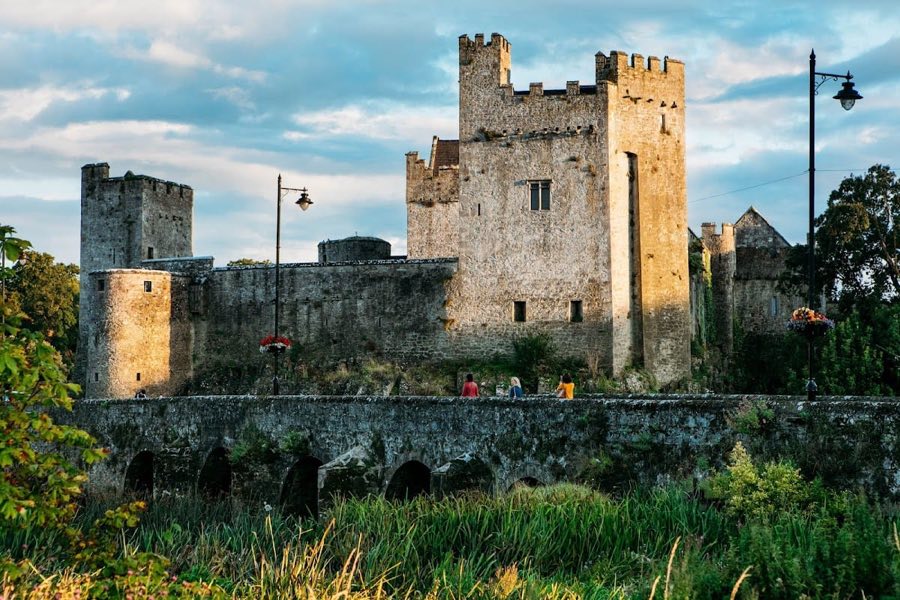
Cahir Castle
Ireland
CastleRuin13th century
No. 14785
Castle · Ireland
No. 14785 · 52.412 N, 7.933 W
Quick summary
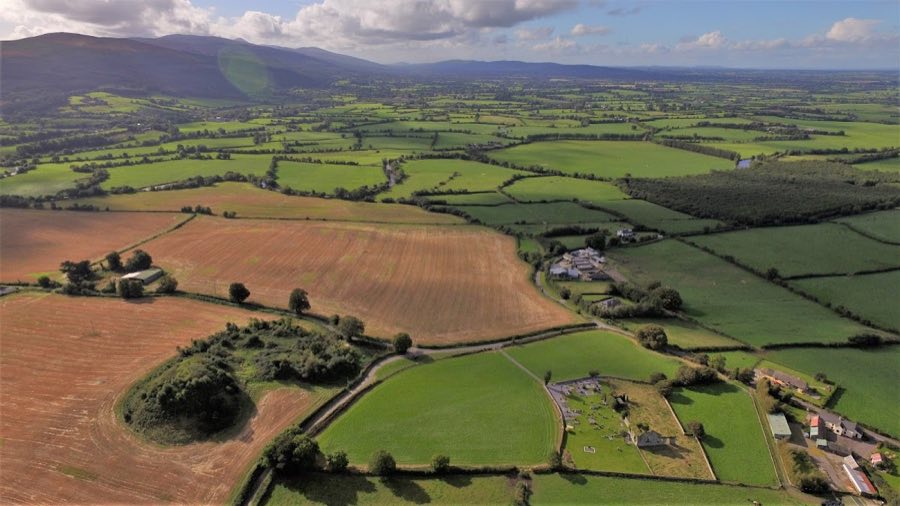
Knockgraffon Motte and Bailey, New Inn is a castle in New Inn, Ireland with origins associated with the 13th century.
See all castles in IrelandKnockgraffon Motte and Bailey, New Inn, Ireland, was built by Anglo‑Norman forces.
Before the arrival of Anglo‑Norman troops the place now called Knockgraffon held an important Gaelic role. It served as the site where kings of Munster were inaugurated, a function it carried out prior to Cashel taking over that role. The hill was also the early main residence of the O’Sullivan family.
In 1192 forces from Leinster moved into the area as part of a military campaign against the kingdom of Thomond, then ruled by Donal Mór O’Brien. In that year Normans seized control of the place from the O’Sullivans and constructed a defensive earthwork with timber buildings on its summit to serve as a military base. The English king later granted the site first to William de Braose and subsequently to Philip of Worcester.
Throughout the 1200s the motte and its timbered stronghold functioned as an Anglo‑Norman fortification. A stone church and graveyard dated to the 13th century were established on the same site, reflecting a settled medieval presence. A separate fortified house built by the Butler family in the 1500s stands a few hundred metres from the earthwork.
The site remained in the hands of Norman or English proprietors for 806 years. In modern times the property passed from Donal Keating of Clonmel House to Gary Brian Sullivan of Statesboro, Georgia, who commemorated the return by giving his son, born in 1999, the name Donal O’Sullivan Mor Connor. The motte is recognised today as a National Monument.
The central feature is a large, man‑made earth mound standing about twenty metres high, formed as an artificial hill with a flat summit where wooden defensive buildings once stood. This mound was created in the late 1100s when Anglo‑Norman forces reshaped the ground to provide a raised platform for timber fortifications, and the earthwork itself survives as the principal visible element of the site. The mound has not undergone archaeological excavation and it is officially protected as a National Monument.
Adjacent to the motte are the fragmentary remains of a medieval church and its burial ground, dated to the 13th century. The church survives as ruins set within an associated graveyard, indicating continued community and religious activity in the medieval period. The stone fabric and the grave markers remain in situ as visible traces of that phase.
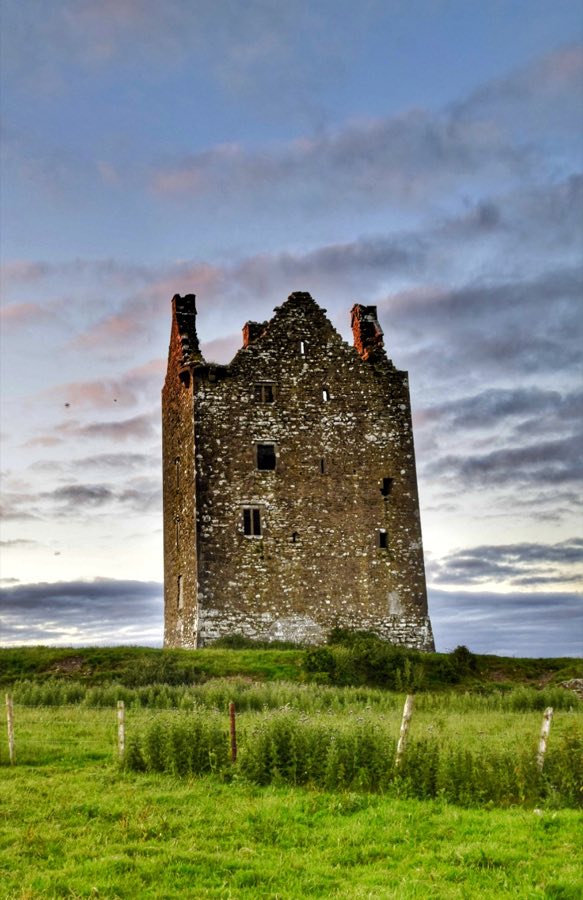
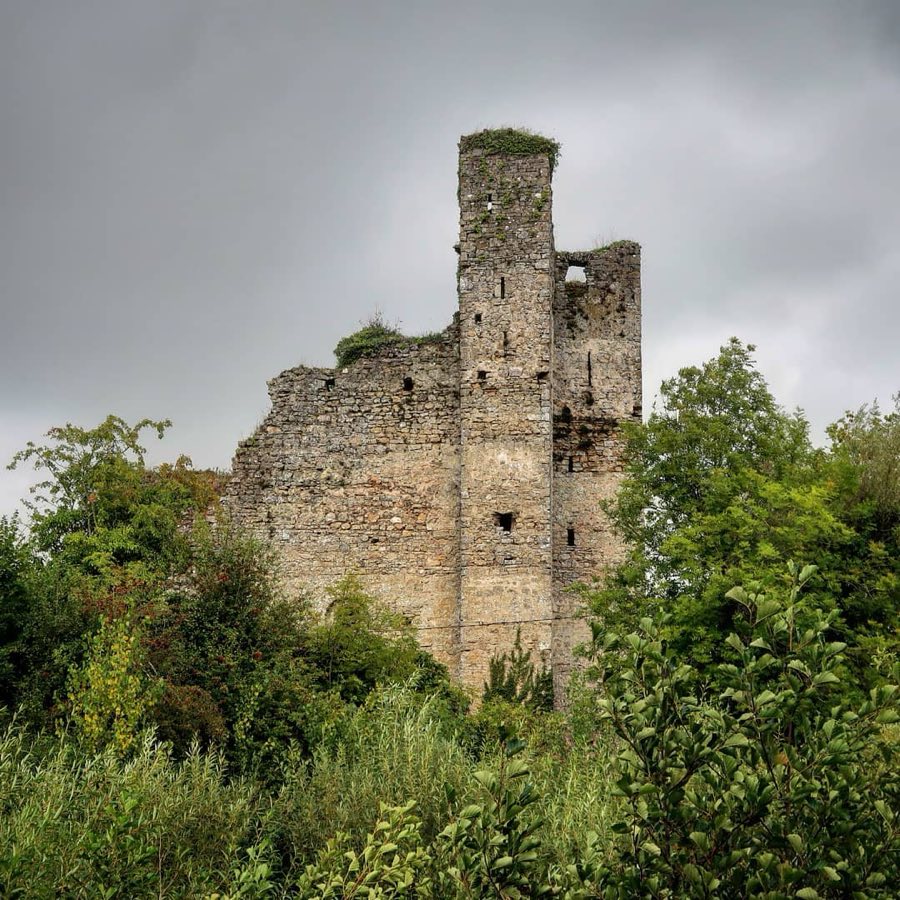
A 16th‑century tower house built by the Butler family stands a short distance from the motte, a few hundred metres away, representing later fortified domestic architecture on the site’s wider landscape. The tower house is a separate standing structure linked to the property’s later occupation and defensive arrangements. Historical tradition records that the wider place was the inauguration hill for Munster’s kings before Cashel took over that function, a customary association attached to the location.
No. 63259
No. 59720
No. 27026
No. 73779
Comments
Comments for Knockgraffon Motte and Bailey, New Inn will require a verified account before posting.
We'll send a verification link before your first comment is published.