No. 38173
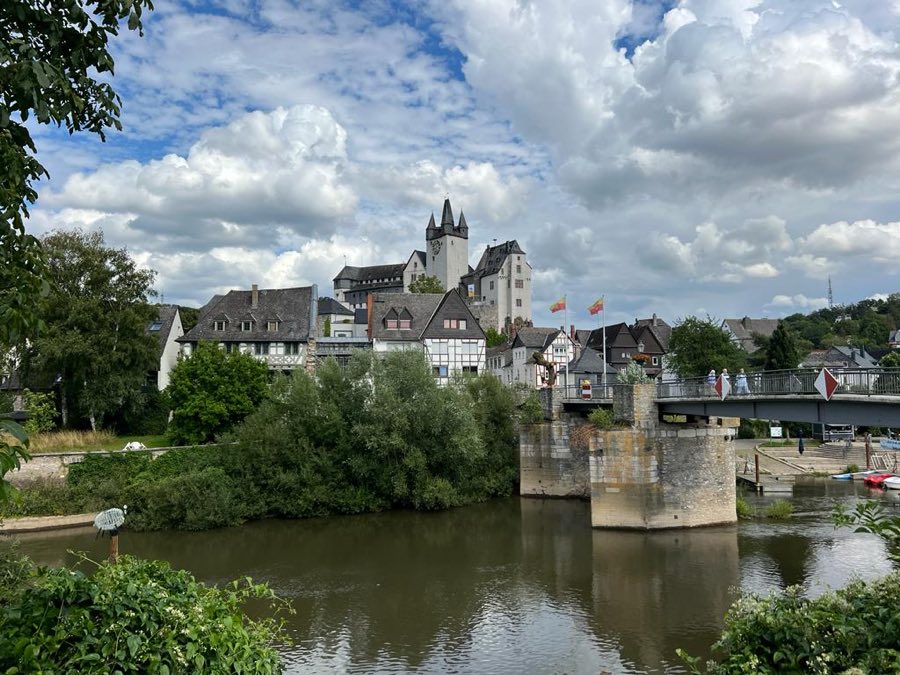
Diez Castle
Germany
CastleRestored11th century
No. 48037
Castle · Germany
No. 48037 · 50.332 N, 7.905 E
For events
Laurenburg Castle is marked as a château or castle venue lead. Capacity, indoor/outdoor spaces, catering rules, and accommodation options are published only after public verification.
Event types: Weddings, Private events, Cultural gatherings, Filming and photography
Ceremony spaces: Ceremony setting to verify
Quick summary
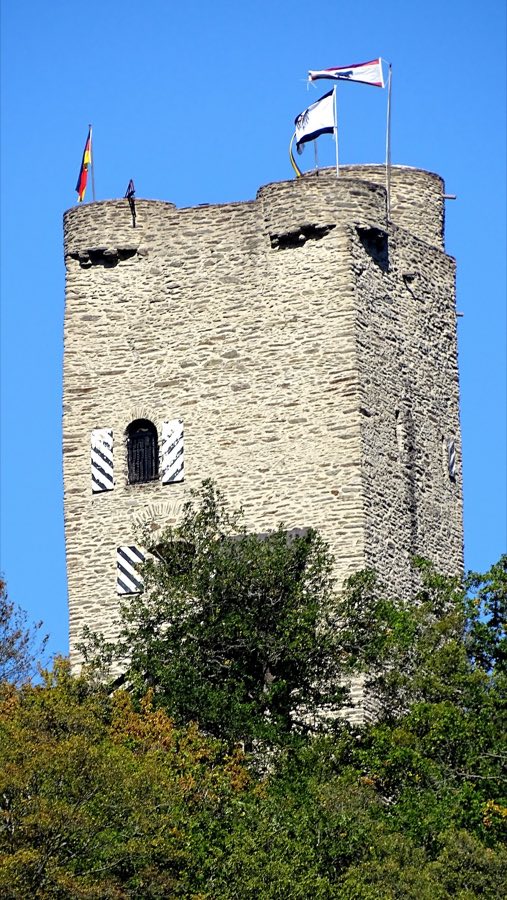
Laurenburg Castle is a castle in Germany with origins associated with the 11th century.
See all castles in GermanyLaurenburg Castle is located in the municipality of Laurenburg, Germany. It was built in the late 11th century by the local nobility of the region during the medieval period.
The castle’s origins trace back to around 1090 when Count Dudo of Laurenburg, the earliest known member of the House of Nassau, established the stone hill castle. His father, Ruprecht, is believed to have lived earlier in nearby Lipporn. Laurenburg Castle served as the ancestral home of the Nassau family, who derived their initial power and status from this stronghold. The first written record mentioning the castle dates from 1093. During the 12th century, the Nassau counts moved their main residence to Nassau itself, gradually adopting the place name as their family name and shifting their center of authority.
Throughout the medieval era, ownership of Laurenburg Castle shifted among several noble figures and families. In 1343, Adolf of Nassau and his brother Johann reached an agreement to keep peace at the castle. A few years later, in 1347, knights Dietrich von Staffel and Friedrich Brenner bought a half-share of the castle from Count Johann of Nassau-Hadamar and his relatives, reflecting a division of property common in the period. By 1354, Count Adolf of Nassau-Idstein granted his half of Laurenburg to Archbishop Balduin of Trier as part of his wife’s dower, linking the castle to ecclesiastical authority through marriage alliances.
Over the centuries, the castle’s importance waned, and by the mid-17th century it lay in ruins. In 1643, Peter Melander von Holzappel, a military leader from Niederhadamar, acquired Laurenburg Castle. He undertook partial restoration, focusing on the bergfried, or main tower, reviving this section while the remaining parts stayed in decay. Later developments include the construction of a palace complex called Schloss Laurenburg at the base of the hill around 1800. Since 1985, the castle has been under private ownership, with the bergfried restored and maintained as a residence, while other sections serve cultural functions.
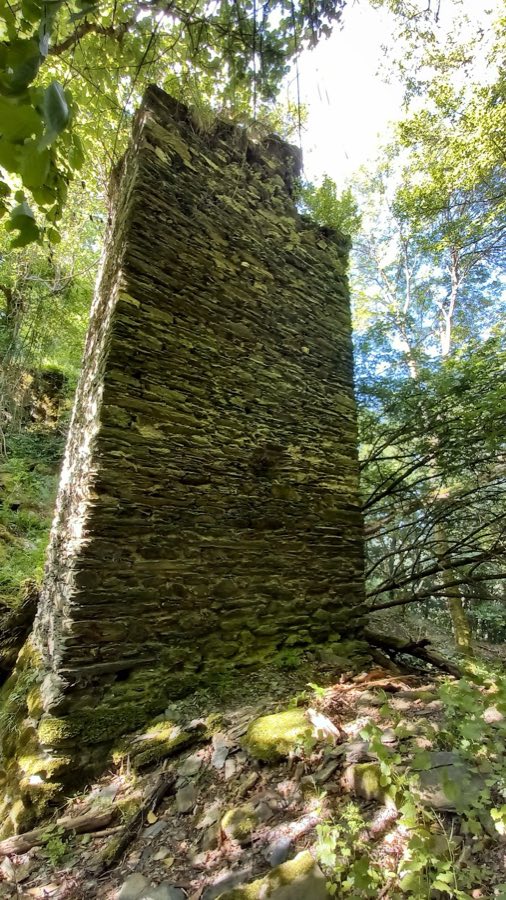
Laurenburg Castle’s surviving structure centers around a prominent bergfried, a tall main tower typical of medieval fortifications. This tower, dating from the 12th or 13th century, rises about 22 meters and features five sides. Positioned on a hill 178.9 meters above sea level, the bergfried commands views over the nearby Lahn River valley and the Waselbach stream valley, reflecting the strategic choice of location for surveillance and defense.
The bergfried is accessed via an external wooden staircase attached to its west side, leading to a high entrance set above ground level. Inside, visitors enter the knight’s hall, a space originally used for gatherings and functions related to the castle’s occupants. A wooden staircase from this hall leads to the living quarters situated on the floor above. From the residential floor, a spiral staircase embedded into the tower’s eastern corner ascends to a flat roof platform, which serves as an observation point offering panoramic views of surrounding landscapes.
Historically, the bergfried stood within a fortified perimeter defined by a stone ring wall and encircled by a dry moat, or neck ditch, which enhanced the castle’s defenses. Today, no remains of the original residential or ancillary buildings survive outside the bergfried, but the tower itself has undergone several restorations to preserve its structure. The knight’s hall has been adapted to house a small military museum and is available for ceremonial occasions such as weddings, maintaining its role as a central interior space within the castle complex.
No. 38173
No. 11708
No. 49551
No. 14297
Comments
Comments for Laurenburg Castle will require a verified account before posting.
We'll send a verification link before your first comment is published.