No. 24178
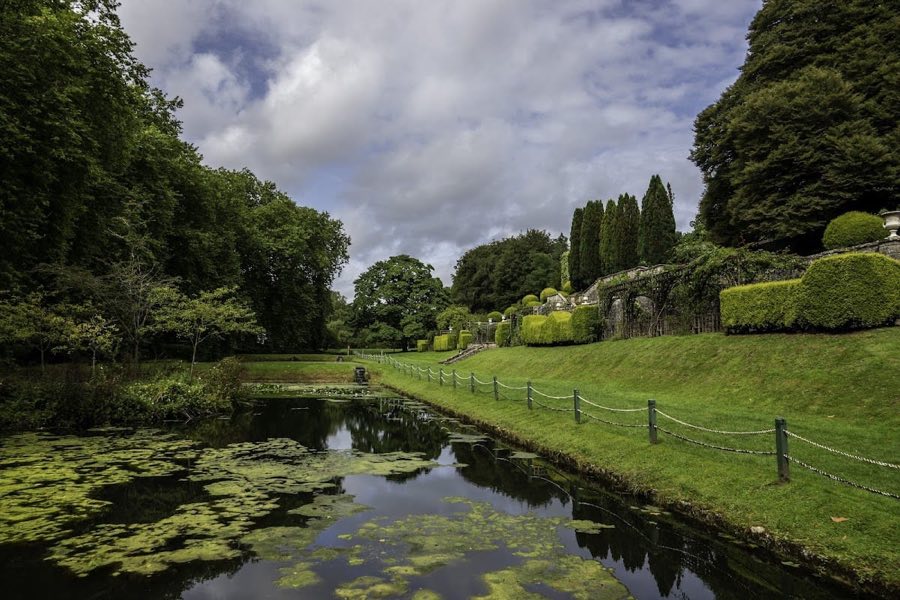
St Fagans Castle
United Kingdom
CastleRuinFor events13th century
No. 82730
Castle · United Kingdom
No. 82730 · 51.542 N, 3.375 W
Quick summary
Llantrisant Castle is a castle in United Kingdom with origins associated with the 14th century.
See all castles in United KingdomLlantrisant Castle stands in the town of Llantrisant, Wales, and its origins lie within the medieval period. Built during the era when Norman influence spread into Wales, the castle’s foundation is attributed to various possible founders, reflecting different phases of early medieval power in the region. Some traditions name Gwrgan ab Ithel, a local lord of Glamorgan, as an early builder, while others suggest Einion ab Collwyn constructed it following the Norman invasion led by Robert Fitzhamon. Additional accounts propose either Robert Fitzhamon himself or his son, Earl Robert of Caen, as the castle’s founder, indicating its establishment during the 11th or early 12th centuries under Norman Welsh lordship.
During the late 1200s, the fortress came under the ownership of Gilbert de Clare, known as the Red Lord of Glamorgan. Documents from 1297 reveal that the castle was actively maintained, with writs referring to ongoing works such as completing the castle’s main gate. This period marks Llantrisant Castle’s role in local governance and defense, as Gilbert de Clare held significant influence and demonstrated allegiance to King Edward I of England. The castle functioned as a military stronghold and administrative center, managed by appointed custodians including Walter de Hacklut.
In the early 14th century, Llantrisant Castle remained strategically important, though signs of trouble emerged. William Fleming, one of its keepers, was executed for treason, revealing the turbulent political climate surrounding the castle. The site suffered considerable damage during the 1404 rebellion led by Welsh leader Llewellyn Bren, whose uprising involved attacks on several Glamorgan castles. Following this period, the castle’s prominence declined, with records indicating that by the 15th century it became part of the dowry of Thomas, Earl of Gloucester’s widow before coming under Henry V’s control. Over time, Llantrisant Castle fell into disrepair and was abandoned, leaving behind only fragments of its former structure.
Throughout its history, the castle was linked to extensive surrounding lands, notably two large enclosed parks referred to historically as the “gay pigs.” These parks were integral to the castle’s estate, and their legacy endures in local farm names. Though Llantrisant Castle experienced phases of construction, conflict, and eventual ruination, it remains a witness to the shifting control and unrest that shaped medieval Glamorgan.
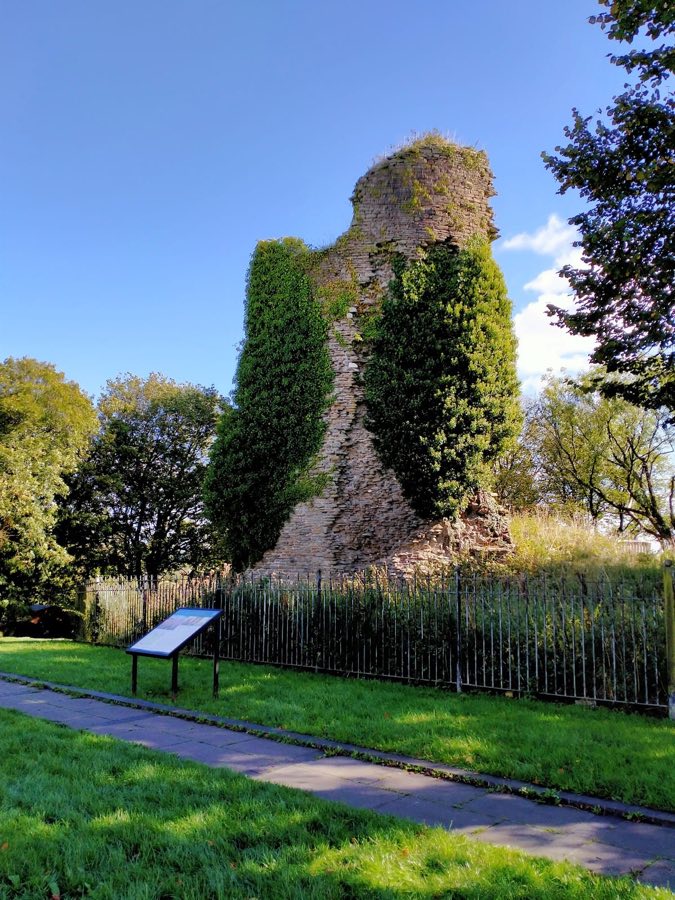
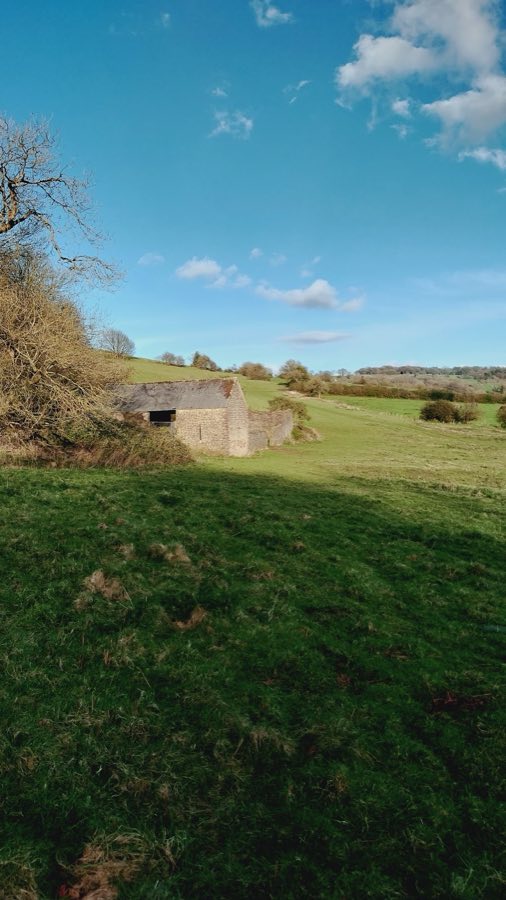
Today, Llantrisant Castle exists largely as a ruin, with only portions of its original defensive structures surviving amid overgrown terrain. The remaining masonry reflects typical Norman stonework characteristic of castles built in the medieval period. The ruins include fragments of a tower and sections of outer walls, constructed from locally sourced stone using traditional medieval techniques. These stone remains occupy a raised position approximately 144 meters above sea level, granting strategic views over the surrounding countryside in its prime defensive posture.
Among the surviving elements, the fragment of a tower stands out, suggesting a fortified strongpoint within the castle’s layout. The castle’s walls indicate an enclosed area sizeable enough to include two large parks, which historically served as hunting grounds or managed lands affiliated with the fortress. Though the walls have suffered significant decay, their style corresponds closely with other fortifications established in the same era, demonstrating masonry patterns and construction methods consistent with 12th to 14th-century castle building.
No inscriptions or decorative features have been recorded on the surviving stones, nor have excavations yielded artifacts such as tools or ceramics. The lack of detailed decorative elements or notable architectural ornamentation points to the castle serving primarily a military and administrative role rather than as a lavish residence. Presently, the ruins are unmanaged and remain exposed to natural wear, standing as silent testimonies to the castle’s past prominence and subsequent decline. The remains, while limited, provide valuable evidence of the castle’s original extent and its function as a defensive stronghold in medieval Wales.
No. 24178
No. 65704
No. 81493
No. 34710
Comments
Comments for Llantrisant Castle will require a verified account before posting.
We'll send a verification link before your first comment is published.