No. 24178
St Fagans Castle
United Kingdom
CastleRuinFor events13th century
No. 81493
Castle · United Kingdom
No. 81493 · 51.532 N, 3.221 W
Quick summary
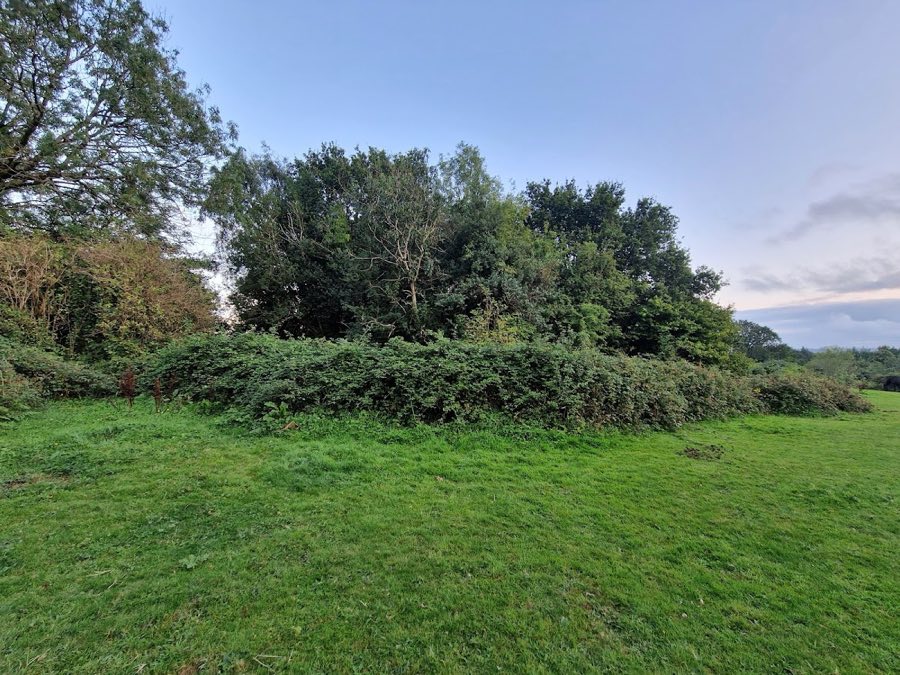
Twmpath Motte, Brynteg is a castle in Brynteg, United Kingdom with origins associated with the 11th century.
See all castles in United KingdomTwmpath Motte in Brynteg, Cardiff, United Kingdom was first established by the native Welsh.
Before the Norman arrival the place was known locally as Caer Cynwrig, a Welsh camp whose name combines a word for a fortification and an element meaning a high hill. The alternative place name Twmpath comes from the Welsh word for a small rounded mound. After 1066 the earthwork was captured and occupied by Norman forces, who reused the site as part of their defensive network around the newly controlled town of Cardiff. The fortification was in use as a motte-and-bailey type castle from about 1066 until roughly 1540.
Following the Norman takeover of the area, Twmpath became one of the larger mottes within the Lordship of Glamorgan, recorded as the third largest in that lordship. Robert Fitzhamon is recorded as the founder of Cardiff Castle, and that castle served as the administrative centre of the Lordship of Glamorgan; Twmpath stood among a ring of smaller earth-and-timber fortifications placed to protect the town. Related defensive sites in this ring included Caerau Hillfort, Morganstown Castle Mound, Castell Coch and Whitchurch (Treoda), Cae’r Castell near St Mellons, and Rumney Castle.
Local tradition preserves two stories about the mound. One claims it was raised as a burial cairn around 1089 for Iestyn ap Gwrgan, who once held lordship in Glamorgan. Another popular tale says the Devil himself piled the earth to form the hummock. In the twentieth century the site received legal protection; it was scheduled on 23 July 1930 and has been described by the Welsh heritage body as of national importance, well preserved, and holding significant potential for archaeological information.
The site survives as a classic motte-and-bailey earthwork, made primarily of compacted soil and originally paired with timber defensive structures. It sits on the southern slope of Wenallt Hill and displays the characteristic raised mound of this castle type, created by piling earth to form a defended summit with outer enclosures of wood.
The motte itself rises to about 7.6 metres above the surrounding ground and measures approximately 40 metres in circumference. Its flattened top has a diameter near 16 metres, a level that would once have held timber buildings or a wooden keep. The whole mound is now overgrown but retains its defined shape, indicating the substantial volume of earth moved when it was created.
Encircling the motte is a ditch cut into the hillside, with depths recorded between 1.0 and 1.2 metres and a width varying from about 4 to 5 metres. This trench would have served as the first line of defence, and its preserved form contributes to the clear outline of the monument visible today.
As an earth-and-timber fortification, Twmpath shares construction methods with several nearby small castles that formed Cardiff’s outer ring. The monument is assessed as well preserved and is believed to retain archaeological layers and structural evidence beneath the surface, offering potential for future study of its timber defences and associated deposits.
No. 24178
No. 34710
No. 82730
No. 65704
Comments
Comments for Twmpath Motte, Brynteg will require a verified account before posting.
We'll send a verification link before your first comment is published.