No. 81493
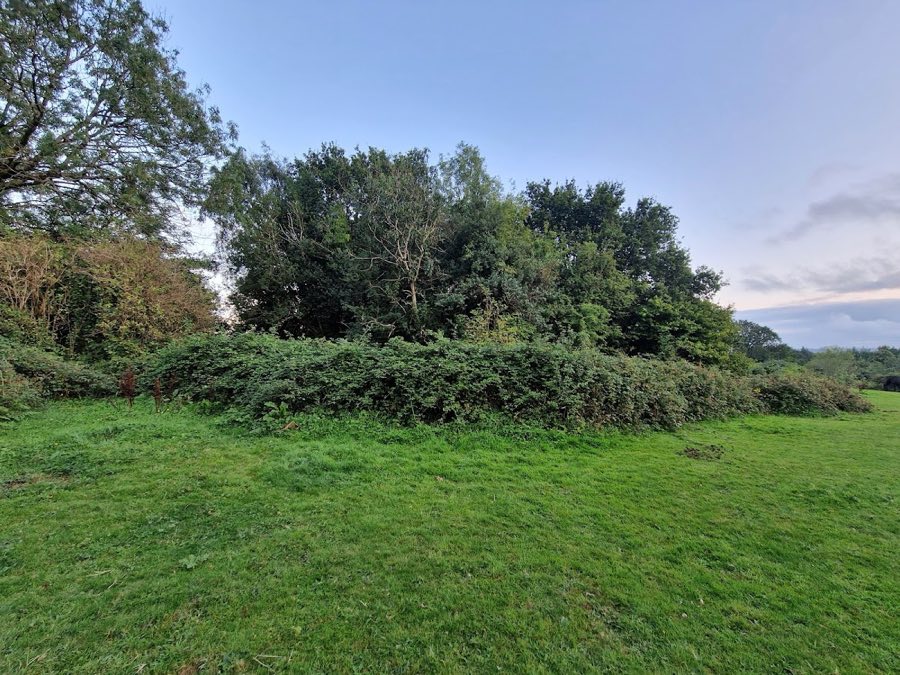
Twmpath Motte, Brynteg
Brynteg, United Kingdom
CastleIntact11th century
No. 24178
Castle · United Kingdom
No. 24178 · 51.486 N, 3.269 W
For events
St Fagans Castle is marked as a château or castle venue lead. Capacity, indoor/outdoor spaces, catering rules, and accommodation options are published only after public verification.
Event types: Private events, Cultural gatherings, Filming and photography
Quick summary
St Fagans Castle is a castle in United Kingdom with origins associated with the 13th century.
See all castles in United KingdomSt Fagans Castle, situated in the village of St Fagans near Cardiff in Wales, traces its origins to medieval Wales and reflects a long history of occupation and transformation. The earliest known castle on the site was a medieval fortress dating back to the 13th century. By the mid-16th century, this medieval structure had fallen into ruin and was no longer habitable.
In the latter half of the 16th century, the estate came into the possession of Dr. John Gibbon by 1563. It was during this period—either under Gibbon or his successor Nicholas Herbert, who acquired the property in 1586—that the current Elizabethan mansion was constructed. The building marked a shift from medieval fortification to a more domestic and comfortable style of residence while still preserving elements of the earlier castle.
The estate changed hands again in 1616 when Sir Edward Lewis from The Van in Caerphilly purchased it. His acquisition came with the unique condition that the property remain within the senior male line of the Lewis family indefinitely, establishing a long-term family legacy linked to the site.
In 1833, the estate passed to the Windsor-Clive family through Lady Harriet Clive. Over the following decades, Lady Harriet undertook significant restoration work to revive the mansion and grounds. Between 1865 and 1866, she initiated the construction of formal garden terraces that were later expanded in the early 20th century, reflecting evolving tastes in landscape design.
During World War I, the castle served a new purpose as a convalescent hospital for wounded soldiers. The grand banqueting hall was converted into a ward accommodating 40 beds, adapting the historic space to meet wartime needs.
In 1947, the castle and its surrounding estate entered public stewardship when Ivor Windsor-Clive, the 2nd Earl of Plymouth, bequeathed the entire property to the National Museum of Wales. Since 1951, the mansion has housed historically furnished period rooms arranged by Iorwerth Peate, the museum’s keeper, using carefully selected items from Tredegar House.
Today, the grounds surrounding the castle include the former Welsh Folk Museum and the St Fagans National Museum of History, emphasizing the site’s role in preserving Welsh cultural heritage. The castle, along with its medieval defensive features, has been recognized for its historic importance through a Grade I listing since 1977. Its gardens and landscape have likewise earned a Grade I designation on the Cadw/ICOMOS Register of Parks and Gardens of Special Historic Interest in Wales.
St Fagans Castle is set within a partly preserved medieval boundary that encloses the Elizabethan mansion. The defensive perimeter originally formed a distinctive D-shape, remnants of which remain visible today as a substantial stone wall surrounding the house. This early fortification, dating from the 13th century, anchors the site’s historic character and provides a clear physical link between the medieval castle and later domestic architecture.
Inside the castle, a mixture of structural elements from the early 17th century and modifications made after 1850 pose an architectural layering that showcases the evolving use of the building. The interior features period rooms furnished to reflect historical living conditions, with a museum arrangement designed to evoke the aristocratic lifestyle associated with the estate.
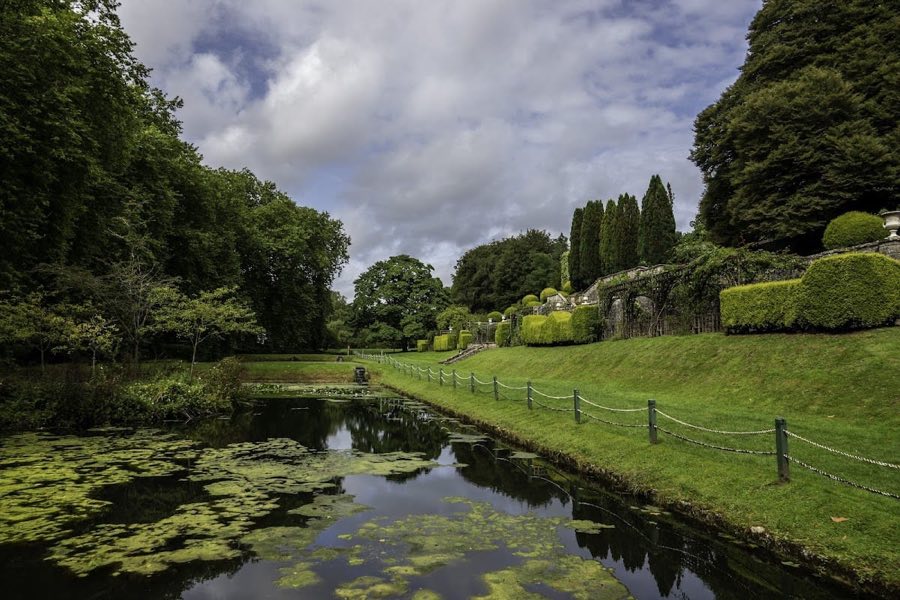
The gardens offer a notable example of Victorian and Edwardian landscape design through a series of terraces constructed between 1865 and 1866 and expanded further in the early 1900s. These terraces rise in succession, creating formal outdoor spaces that complement the mansion and indicate the Windsor-Clive family’s investment in enhancing the estate’s aesthetic appeal.
Within the courtyard, there is a lead water cistern which holds special significance as a Grade II* listed artifact. It is believed to have been moved from The Van, another historic home of the Lewis family. This feature demonstrates continuity in the family’s heritage and serves as a tangible connection between their former and current estates.
Several garden structures across the grounds have also been recognized for their historic interest with Grade II listings, affirming the careful preservation of decorative and functional elements that contribute to the site’s overall setting.
The castle’s role during World War I is evidenced by the adaptation of the banqueting hall, which was transformed into a hospital ward capable of housing 40 beds. This change illustrates the building’s flexibility and its contribution to the war effort, repurposing grand spaces for practical medical use.
Situated about 30 meters above sea level, the castle occupies a landscape that is relatively flat towards the southwest but rises into hills to the northeast. Its proximity to Cardiff, just over six kilometers away, places it within reach of urban development while maintaining a setting influenced by coastal climate conditions. Temperatures in the surrounding area generally range from around 2 degrees Celsius in winter months to approximately 17 degrees Celsius during summer.
Through these surviving structures and landscape elements, St Fagans Castle offers a layered historical environment that reflects centuries of architectural evolution, family heritage, and adaptive reuse within the Welsh cultural landscape.
No. 81493
No. 82730
No. 65704
No. 34710
Comments
Comments for St Fagans Castle will require a verified account before posting.
We'll send a verification link before your first comment is published.