No. 28947
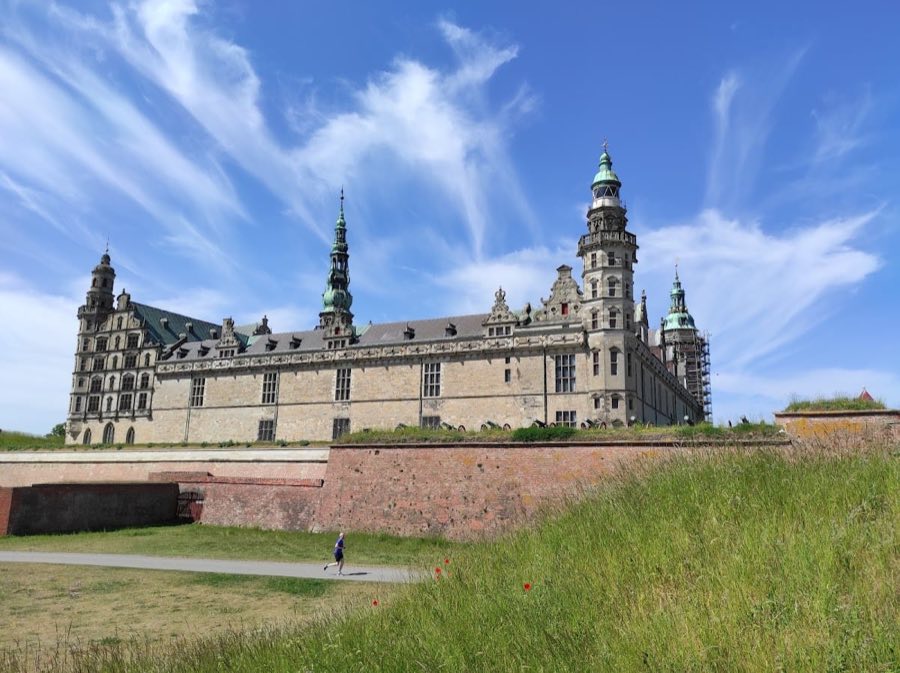
Kronborg Castle
Denmark
CastleRestoredFor events16th century
No. 10142
Palace · Denmark
No. 10142 · 56.042 N, 12.602 E
For rent
Marienlyst Castle is marked for bookable castle accommodation. Nightly pricing, sleeps count, stay rules, and amenities are displayed only when public operator data is available.
Rental type: Hotel / bookable stay, Short-stay rental
Short-term availability: Bookable accommodation signal
Quick summary
Marienlyst Castle is a palace in Denmark with origins associated with the 16th century.
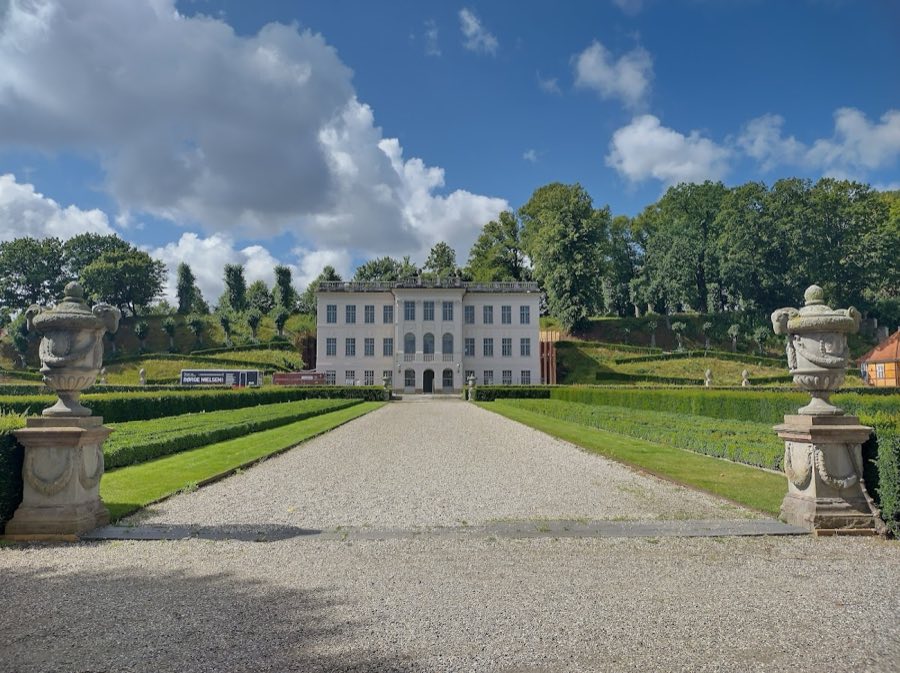
See all castles in DenmarkMarienlyst Castle in Helsingør, Denmark, began life as a late 16th-century royal pavilion built for the Danish crown in a northern Italian Renaissance manner. Erected for King Frederick II, the structure formed part of the royal holdings associated with nearby Kronborg Castle and served as a country retreat where the court pursued leisure and hunting activities. Its position close to the Sound and connection to Kronborg gave the site recurring importance in the regional landscape of royal estates.
The building and its grounds were adapted and enhanced during the 17th century. Under Christian IV the garden received rare trees and the estate kept pheasants and other game for sport. The property passed to Frederik III in 1648, and during the 1658 war with Sweden the pavilion was damaged and saw little use until the end of Frederik III’s reign in 1670. A major repair campaign took place in 1680–1681, restoring the pavilion and marking the structure with the reigning monarch’s ownership.
Further work continued through the first half of the 18th century. The pavilion was renewed again in 1716–1717, and by the mid-18th century the crown leased the property in 1747 and sold it in 1751. In 1758 the estate was bought by Count Adam Gottlob Moltke; between 1759 and 1763 he carried out extensive rebuilding that produced the castle’s present-day massing and façade. After the death of Frederick V, the property became associated with Juliana Maria, queen consort, and the name Marienlyst came into use; she established a romantic-style landscape there in the 1790s.
From 1796 until 1847 the castle served as the home of Colonel Adam Gottlob von Krogh, director-general of the Øresund Custom House, who added a small thatched half-timbered dwelling and a private garden around 1800 and had a commemorative monument erected on what is known as Magdalene’s Hill in the 1830s. The Helsingør municipality acquired the whole estate at public auction in 1851 for 32,000 Rigsbankdaler, divided much of the surrounding land, and rented the castle to J.S. Nathanson for use in connection with a health spa and bathing establishment. Hotel Marienlyst was built in 1859, and from about 1858 the site functioned in association with bathing and spa activities.
In the early 20th century the grounds were reshaped again. Between 1919 and 1921 a gardener redesigned the park to create a layout meant to harmonize with the castle’s classical appearance, and those gardens became part of the municipal museums from 1930 onward. The Town Museum moved into the castle basement in 1930 and occupied the entire building by 1940. A thorough restoration took place in 1953, after which the castle housed Helsingør City Council offices for a period. Marienlyst Castle now operates as a branch of the Helsingør Municipality Museums, exhibiting 18th- and 19th-century paintings and local silverwork from Helsingør.
The site combines a preserved late 16th-century pavilion at the core with 18th-century palace extensions and a sequence of garden layouts. The original pavilion survives as a three-storey block laid out for specific household and courtly functions. The lowest level held an armory that doubled as storage for gear used in equestrian contests, the middle floor contained the living rooms assigned to the queen consort Sophie of Mecklenburg‑Güstrow, and the top storey served the king’s chambers. These internal divisions reflect the building’s original role as a compact royal retreat.
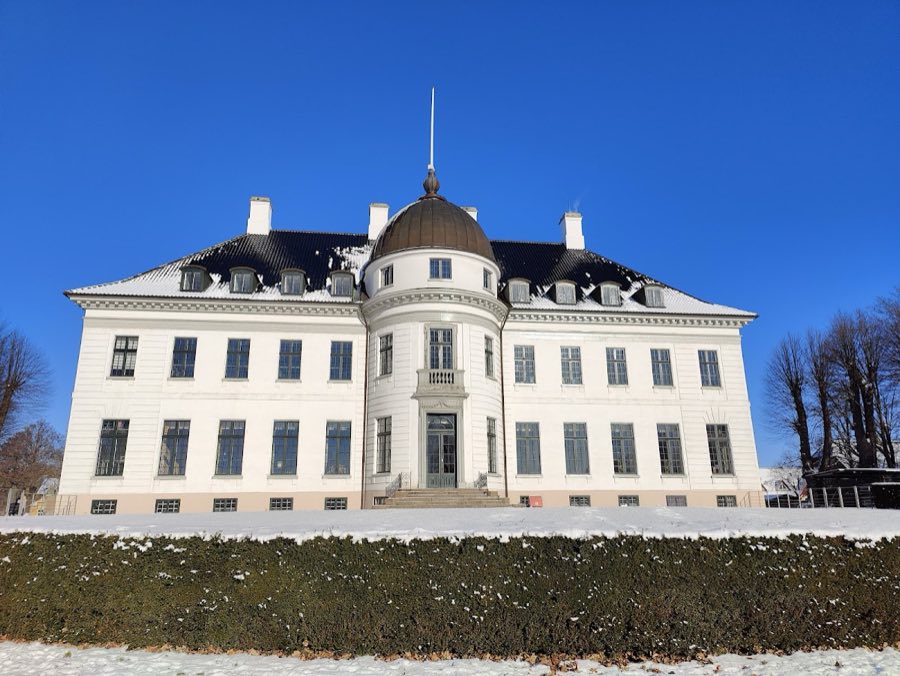
Eighteenth-century remodelling kept the old pavilion at the center but added matching side wings set slightly back, producing a single, coherent façade and a continuous cornice with a balustraded flat roof. The exterior shows horizontal bands of dressed stone, decorative medallions and festoons above windows, and a series of arcades on the upper floor. Inside, interiors were executed in the Louis XVI manner and decorated by contemporary painters, decorators and a sculptor of the period, preserving high‑style furnishings and wall treatments from that era.
The formal grounds evolved through clearly dated phases. In the mid-18th century the parterre was laid out as a larger French-style garden with symmetrical beds, straight avenues, clipped box hedges, fountains and reflective pools. Around the 1790s the layout was altered into a romantic landscape with winding walks and constructed follies that included earthen mounds (tumuli), a hermit’s cottage, and a tower designed in a medieval Gothic vein. In 1919–1921 the garden was again reworked into a scheme intended to complement the castle’s classical architecture; this 20th-century plan defines much of the park’s present appearance.
Survivals on the estate document its changing uses. The formal garden contained within the castle walls remains largely intact, while areas outside those limits experienced greater loss. The small thatched half-timbered house erected by von Krogh around 1800 no longer stands above ground, but fragments of the low stone fence that marked his garden persist in situ. A monument placed on Magdalene’s Hill in the 1830s continues to mark that elevated spot. The park sits within view of Kronborg Castle and is separated from the Øresund by a roadway. Interior displays in the castle include period wall paintings, 18th-century furniture, sculptural work, paintings from the 18th and 19th centuries, and examples of Helsingør silver, all exhibited within the building’s conserved rooms.
No. 28947
No. 52680
No. 94628
No. 73440
Comments
Comments for Marienlyst Castle will require a verified account before posting.
We'll send a verification link before your first comment is published.