No. 66781
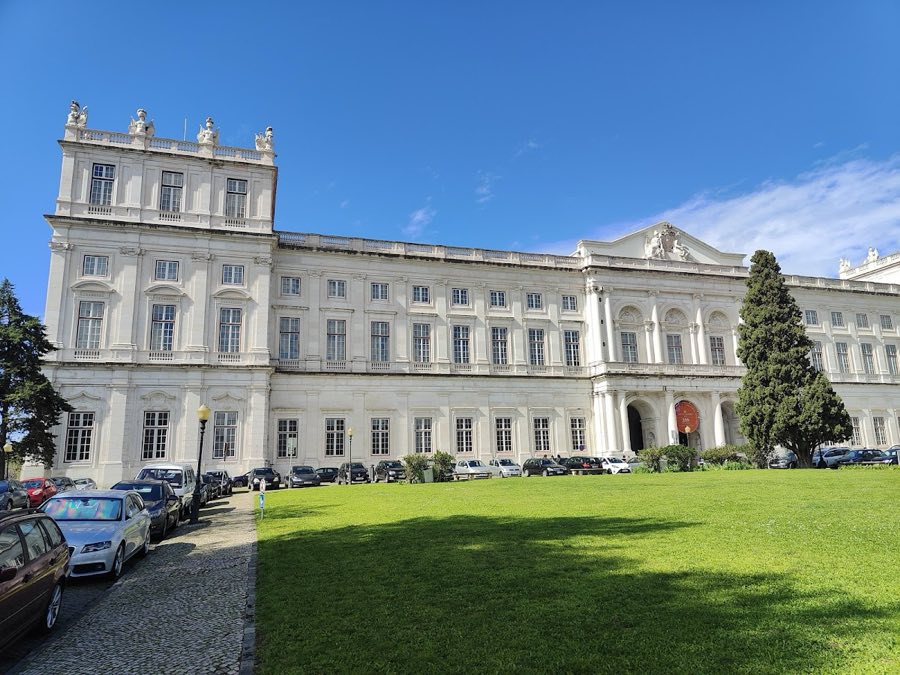
Palace of Ajuda, Lisbon
Lisbon, Portugal
PalaceRestored18th century
No. 48745
Palace · Portugal
No. 48745 · 38.707 N, 9.170 W
For events
Necessidades Palace is marked as a château or castle venue lead. Capacity, indoor/outdoor spaces, catering rules, and accommodation options are published only after public verification.
Event types: Private events, Cultural gatherings, Filming and photography
Quick summary
Necessidades Palace is a palace in Portugal with origins associated with the 18th century.
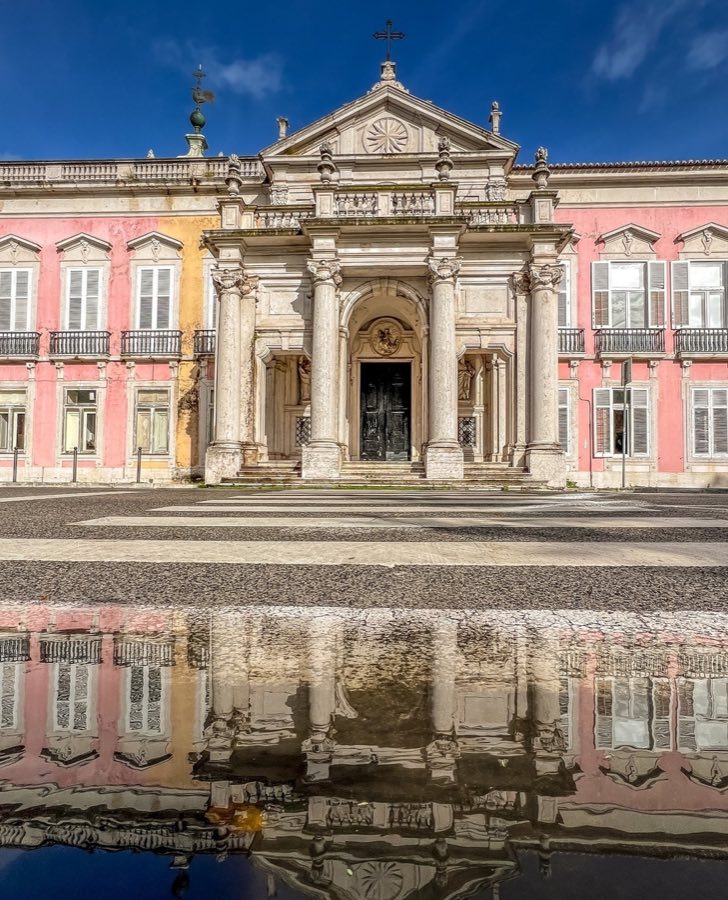
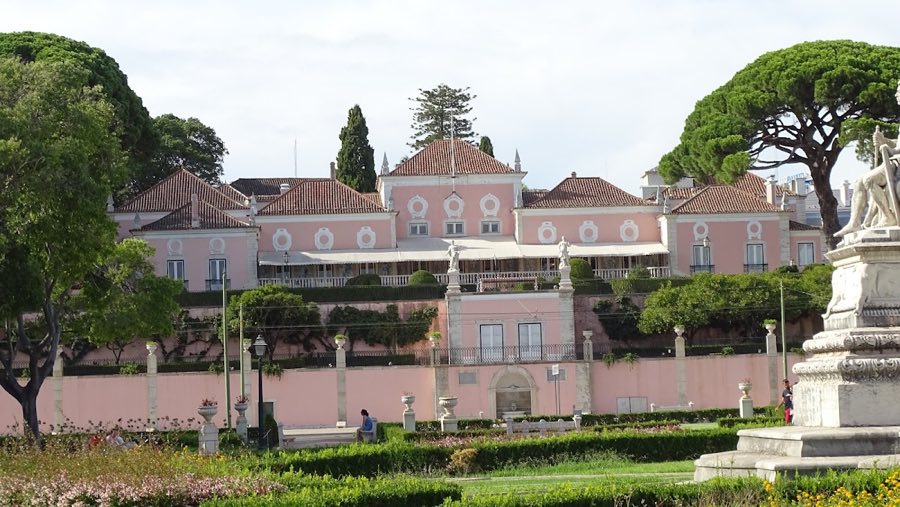
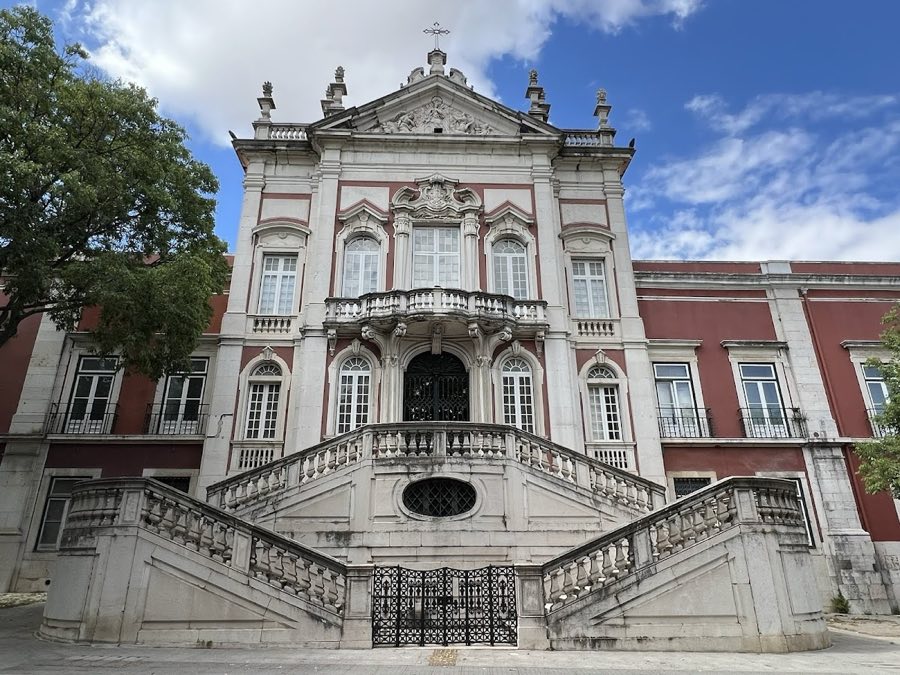
See all castles in PortugalNecessidades Palace in Lisbon, Portugal is an 18th-century royal complex created under the Portuguese monarchy. Begun around an earlier chapel and expanded during the reign of King John V, the site came to combine a royal residence, a religious house, and landscaped grounds, and it played a persistent role in Portugal’s political and court life from the late 18th century into the 20th century.
The site’s origin lies in a small chapel devoted to Our Lady of Needs, known in Portuguese as Nossa Senhora das Necessidades. Local tradition links the chapel’s foundation to two weavers who fled a plague and to a long-standing reputation for miraculous aid among mariners. In the mid-18th century King John V appropriated the chapel and the surrounding lands, enlarged the place of worship, ordered the construction of a residential palace and established a convent for the Congregation of the Oratory by royal decree of 8 February 1747. The religious community offered instruction in Christian doctrine, grammar, rhetoric, moral theology and philosophy.
The 1755 earthquake, which struck Lisbon with vast destruction, caused no damage to this complex. In the 19th century the palace became the principal residence of the House of Braganza during the reign of Maria II, with her son Luís I preferring another palace. In 1833 Pedro IV adapted the residence to receive his daughter Maria II. Ferdinand II remodelled the grounds into an English-style garden in 1843, lived in the palace until his death and assembled a notable art collection that was dispersed after he died. King Peter V had a metal-and-glass greenhouse installed for his wife Stephanie of Hohenzollern-Sigmaringen.
Early in the 20th century King Carlos I carried out alterations that enlarged the state dining room to accommodate frequent diplomatic activity, added a pavilion later used by Queen Amélie as a painting studio, and provided a tennis court for the princes Luís Filipe and Manuel. The palace received distinguished visitors, including the future King George V and the Duke of Wellington. In February 1908 the funerals of King Carlos I and his son Prince Luís Filipe were held at the palace; those events marked the final phase of the constitutional monarchy.
During the republican revolution of 5 October 1910 the palace, as the monarch’s official residence, was shelled by the cruiser Adamastor. The bombardment caused damage, a projectile reached the king’s private apartments, and an employee felled the royal flagpole, an act that led revolutionaries to conclude the monarch had abandoned the building. King Manuel II departed Lisbon hours later and took refuge at the Palace of Mafra. Many works of art that belonged privately to Manuel II left Portugal with him into exile in London. After the proclamation of the republic the palace stood empty for roughly forty years. Around 1950 it became the headquarters of the Portuguese Ministry of Foreign Affairs, while most former royal collections were transferred to the museum at the Palace of Ajuda. The property received formal recognition as a Property of Public Interest in 1983.
The site is an ensemble of distinct components laid out around a chapel, a convent, a royal palace and parkland. The original chapel remains the focal religious element, dedicated to Our Lady of Needs (Nossa Senhora das Necessidades). The chapel’s origin is associated with a local legend about two weavers who escaped a plague, and it acquired a reputation among seafarers for miraculous aid. The chapel survived the great 1755 earthquake without harm and remains part of the complex’s historical fabric.
Adjacent to the chapel the former convent of the Oratory of Saint Philip Neri contains the convent library, a room of political as well as religious significance. On 26 January 1821 that library hosted meetings of the first Constituent Cortes, the parliamentary assembly convened to draft a constitution. The convent complex served both spiritual and educational functions, offering instruction in Christian doctrine, grammar, rhetoric, moral theology and philosophy.
The royal residential palace was built and enlarged in the 18th century and adapted over the following centuries for court life and state occasions. Early-20th-century interventions enlarged the state dining room to meet diplomatic needs and added a pavilion that later served as a painting studio for Queen Amélie. A private apartment block within the palace was struck by a projectile during the 1910 bombardment. After the monarchy ended the building was later repurposed to house the Ministry of Foreign Affairs and continues in that administrative use.
The surrounding grounds show phases of cultivation and garden design. Historically the landscape included fields of wheat, a vegetable garden and a formal Portuguese garden; in 1843 the park was reshaped into an English-style garden. Additions for court life appear in the surviving estate features: a metal-and-glass greenhouse installed for Queen Stephanie, and recreational and service elements such as the early-20th-century enlarged dining suite, the pavilion used as a studio, and a tennis court for the princes. The complex today bears traces of these successive uses, combining religious, residential and landscaped elements that reflect its long role in Portugal’s royal and public life.
No. 66781
No. 57799
No. 96565
No. 89727
Comments
Comments for Necessidades Palace will require a verified account before posting.
We'll send a verification link before your first comment is published.