No. 40251
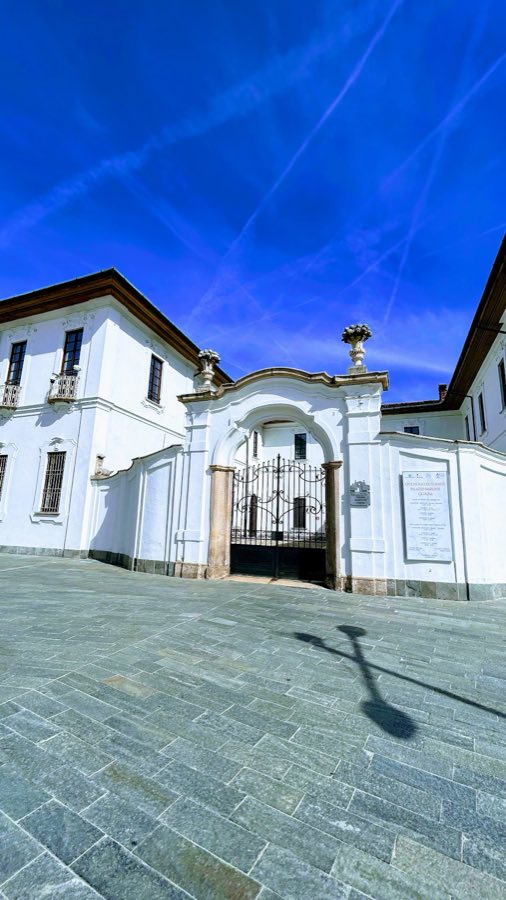
Marliani-Cicogna Palace
Italy
Manor houseRestored17th century
No. 58901
Palace · Italy
No. 58901 · 45.756 N, 8.866 E
Quick summary
Palazzo Branda Castiglioni is a palace in Italy with origins associated with the 15th century.
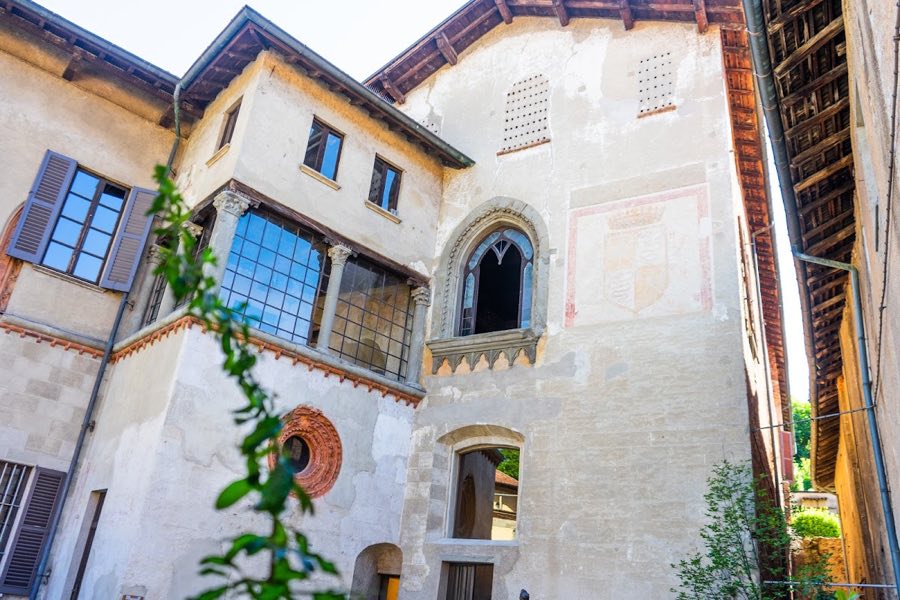
See all castles in ItalyPalazzo Branda Castiglioni in Castiglione Olona, Italy, is a late-medieval residence erected in the 14th and early 15th centuries by Italian patrons and later developed within the Renaissance style. The palace served as the home of Cardinal Branda Castiglioni, who in the 15th century reshaped the small borough of Castiglione into what the record describes as the first example of an “Ideal City of Humanism,” making the building a center of civic and cultural renewal in that period.
Construction took place in at least two main campaigns, with one section originating in the 1300s and a second body added in the first decades of the 1400s. Over the following centuries the layout was altered by a series of interventions that changed parts of the original plan. During the early 1400s the palace became a focus for ambitious decorative programs, including extensive fresco cycles by leading artists of the day that linked the house to wider political and cultural networks.
Artistic patronage under Cardinal Branda included major wall paintings by Masolino da Panicale and by Lorenzo di Pietro, known as Il Vecchietta. Masolino painted a landscape that commemorates Veszprém, a Hungarian town associated with the cardinal’s title as Count of Veszprém. Il Vecchietta executed a suite of works around 1437–1439, notably decorating the chapel that belonged to the cardinal and filling other rooms with religious and saintly imagery. A large chamber for the cardinal was entirely frescoed in 1423 by a master of the Lombard school. A loggia was painted in the humanist manner with portraits of prominent men and women, including Emperor Sigismund and the cardinal himself.
In the 20th century the last member of the family was Count Ludovico Castiglioni, born in 1921 and deceased in 2000. Around the 1980s the Municipality of Castiglione Olona acquired the palace from him and the private residence was converted into a civic museum. With the extinction of the Castiglioni family the palace became municipal property in 2004. The cardinal’s private chapel, dedicated to Saint Martin, was brought back to public attention after being rediscovered in 1982.
The palace stands as a composite building formed by two principal structural blocks, one from the 14th century and the other from the early 15th century, with later modifications layered onto that framework. The ensemble retains its Renaissance character while preserving multiple internal rooms that were decorated during the early 1400s, and the complex has been adapted for civic use in recent decades.
The Cardinal’s Chapel of Saint Martin dates to the period when Il Vecchietta worked at the palace, around 1437–1439. The chapel’s vaulted lunettes (semi-circular wall areas below a ceiling vault) display the Four Evangelists and God the Father surrounded by angels. The apse (the semi-circular sanctuary end) or back wall carries a Crucifixion scene. The chapel also contains painted busts of prophets and two lunettes crowded with virgin saints led by Saint Ursula, together with scenes showing holy shepherds, monks, and anchorites. This chapel was rediscovered in 1982.
A large reception room known as the Cardinal’s Chamber, or Great Chamber of the Cardinal, was entirely frescoed in 1423 by a master of the Lombard school. These wall paintings form a principal decorative element of the palace’s interior and mark the room as a focal point of early 15th‑century patronage.
A covered exterior gallery, a loggia (a covered gallery open to the outside), was frescoed in the humanist manner with portraits of eminent contemporaries; among the painted figures were Emperor Sigismund and Cardinal Branda. The paintings that once adorned the loggia are now much degraded. Elsewhere inside the palace Masolino’s depiction of a Hungarian landscape commemorates Veszprém and a still life showing vases survives in notably good condition.
The room called the Picture Gallery, or Sala della Quadreria, preserves numerous family portraits that trace the Castiglioni lineage. These include painted likenesses of Pope Celestine IV, Pope Pius VIII, the courtier and author Baldassarre Castiglione, and a range of jurists and men of culture. The end wall of this gallery is dominated by an imposing Renaissance-period marital fireplace that marks the room’s ceremonial function.
No. 40251
No. 42557
No. 10448
No. 51020
Comments
Comments for Palazzo Branda Castiglioni will require a verified account before posting.
We'll send a verification link before your first comment is published.