No. 59741
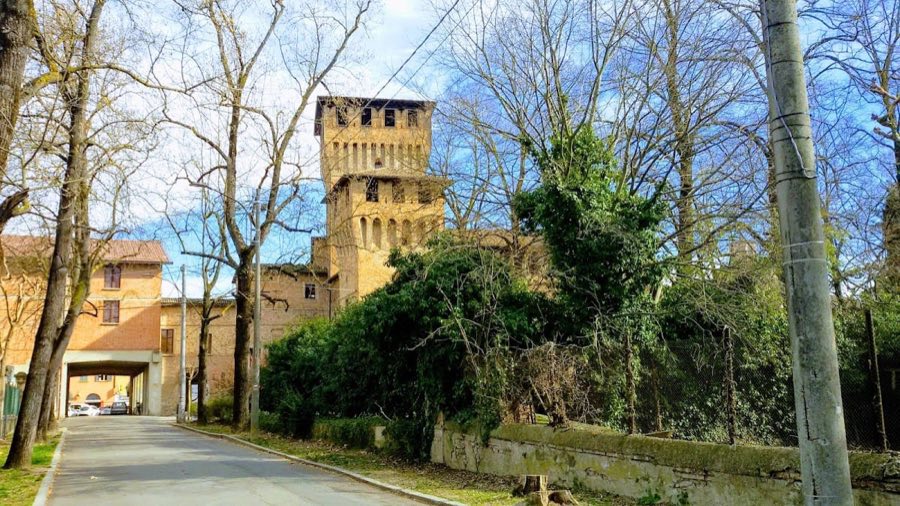
Castello di Montecchio Emilia
Italy
CastleIntact13th century
No. 90829
Palace · Italy
No. 90829 · 44.800 N, 10.335 E
Quick summary
Palazzo Marchi is a palace in Italy with origins associated with the 18th century.
See all castles in ItalyPalazzo Marchi in Parma, Italy, is an urban palace constructed for the Italian noble Scipione Grillo in the late 18th century, built between 1770 and 1774 during the period when classical forms were returning to favour. Erected for a local lord, the building reflects the shifting tastes of its time and has been counted among the city’s most beautiful palaces, later serving several public and cultural roles that made it a notable address in Parma’s civic life.
The house changed ownership around 1780 when it passed to Count Francesco Galantino, who was employed as a ducal finance administrator; in 1782 he became embroiled in charges of administrative irregularities. The next major transfer of ownership took place in 1859 when the Marchi family bought the property. While in their care the family installed a fountain in the rear garden that had been produced in the 1720s for the royal palace at Colorno; this fountain was taken apart in 1890, sold abroad, and its components were split into two groups that were later reassembled as separate fountains at Waddesdon Manor in England.
During the Second World War the palazzo was used by the provincial command of the republican army. In the opening days of July 1944 local partisans raided the building and captured a large quantity of weapons and ammunition. In the decades after the conflict the Marchi family carried out comprehensive restoration work on the palace and made parts of it available for public functions. For a time it accommodated the Institute of Verdi Studies, and from 2003 until 2009 it served as the representational offices of the Arturo Toscanini Foundation.
In November 2021 a route through the palace was opened to visitors as a museum pathway; this display was reinstalled in October 2023 and expanded to include the painting Saint Roch by Parmigianino as a permanent exhibit. The building has also been used for short-term exhibitions, including the multimedia presentation “Persona” by Yuval Avital in September–October 2022, maintaining its role as a venue for cultural programs in the city.
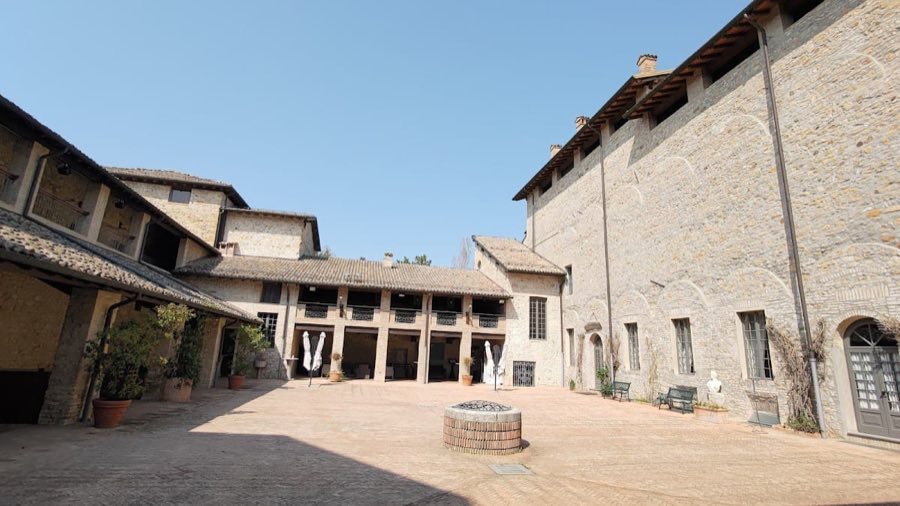
The palace occupies an entire northern portion of a city block between the main commercial street and two side lanes. Its plan places two wings around a central square courtyard, and a secondary courtyard opens off the portico opposite the principal entrance. The covered walkway that surrounds the main courtyard is formed of semicircular arches carried on tall Doric columns, while the corners are closed by square pillars; this arrangement creates a disciplined, classical inner space that leads directly to the stair and reception areas.
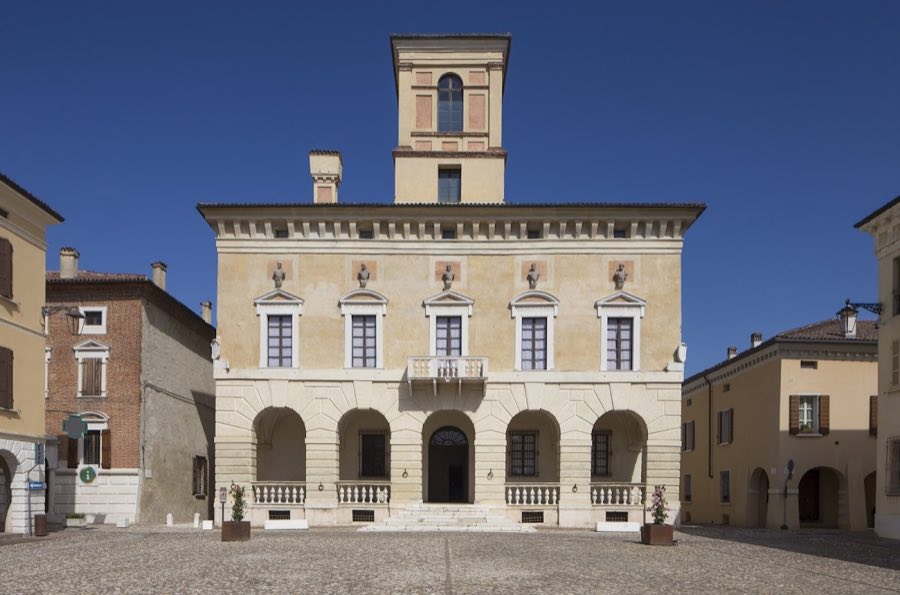
The street façade is symmetrical and finished to resemble large stone blocks, with broad horizontal plaster bands and a projecting cornice with small tooth-like mouldings. A large central doorway provides access beneath a balcony that rests on two Doric marble columns. The exterior arrangement of windows includes framed openings on the ground and upper levels, with alternating triangular and rounded pediments above several openings, and a final row of square windows at attic level.
Inside, a marble and stone scissor (double) staircase, consisting of two interlocking flights, rises to the principal floor on the right side of the courtyard; the balustrades and landings are enlivened by many terracotta sculptures by the neoclassical artist Giuseppe Carra. The principal floor (piano nobile, principal floor) contains rooms richly finished with stucco work by Giocondo Albertolli and is furnished with furniture and paintings from the late 18th century, among them the painting Saint Roch by Parmigianino.
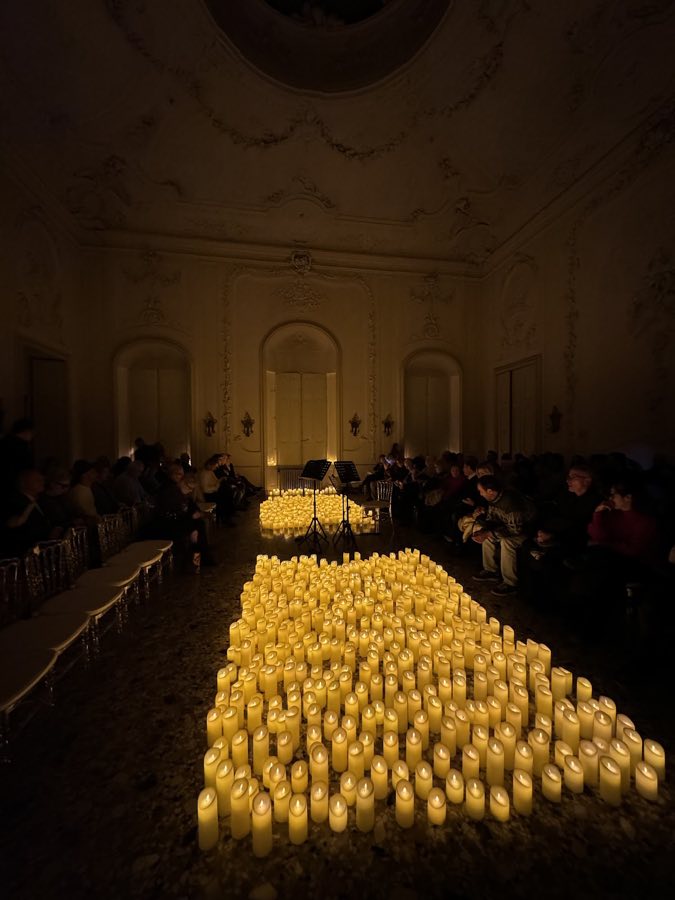
The large Salone delle Feste (ballroom) stands out for extensive stucco decoration applied to both the vaulted pavilion ceiling and the walls, forming the palace’s principal ceremonial interior. After restoration by the owners, parts of the building have been arranged for a public museum route and for temporary exhibitions, with conserved interiors and decorative schemes retained for display.
No. 59741
No. 91559

No. 54031
No. 68984
Comments
Comments for Palazzo Marchi will require a verified account before posting.
We'll send a verification link before your first comment is published.