No. 98793
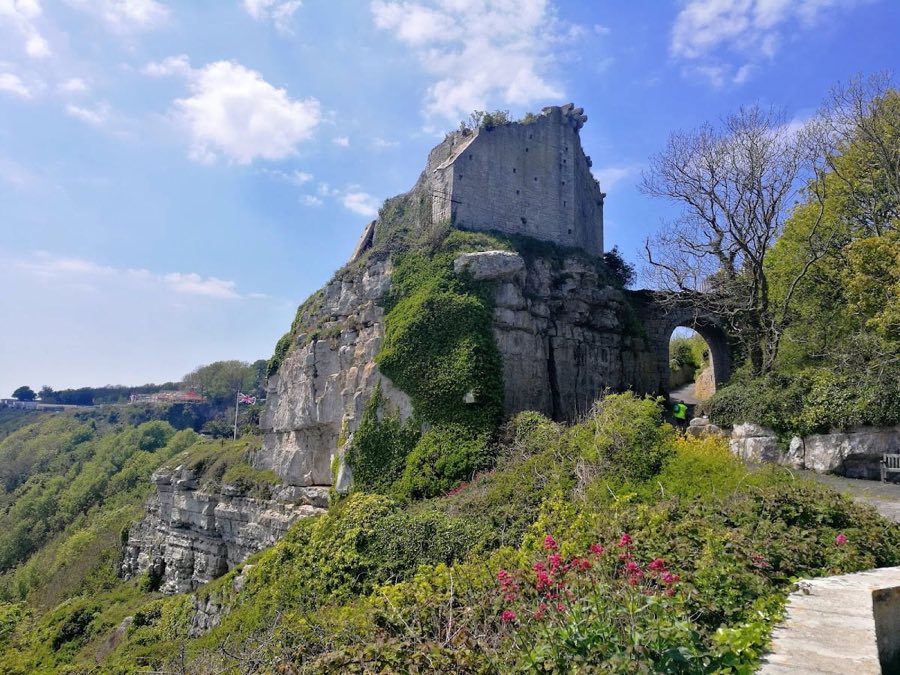
Rufus Castle
United Kingdom
CastleRuin12th century
No. 75970
Castle · United Kingdom
No. 75970 · 50.539 N, 2.430 W
For rent
Pennsylvania Castle is marked for bookable castle accommodation. Nightly pricing, sleeps count, stay rules, and amenities are displayed only when public operator data is available.
Rental type: Hotel / bookable stay, Short-stay rental
Short-term availability: Bookable accommodation signal
For events
Pennsylvania Castle is marked as a château or castle venue lead. Capacity, indoor/outdoor spaces, catering rules, and accommodation options are published only after public verification.
Event types: Weddings, Private events, Cultural gatherings, Filming and photography
Ceremony spaces: Ceremony setting to verify
Accommodation: Accommodation signal present
Quick summary
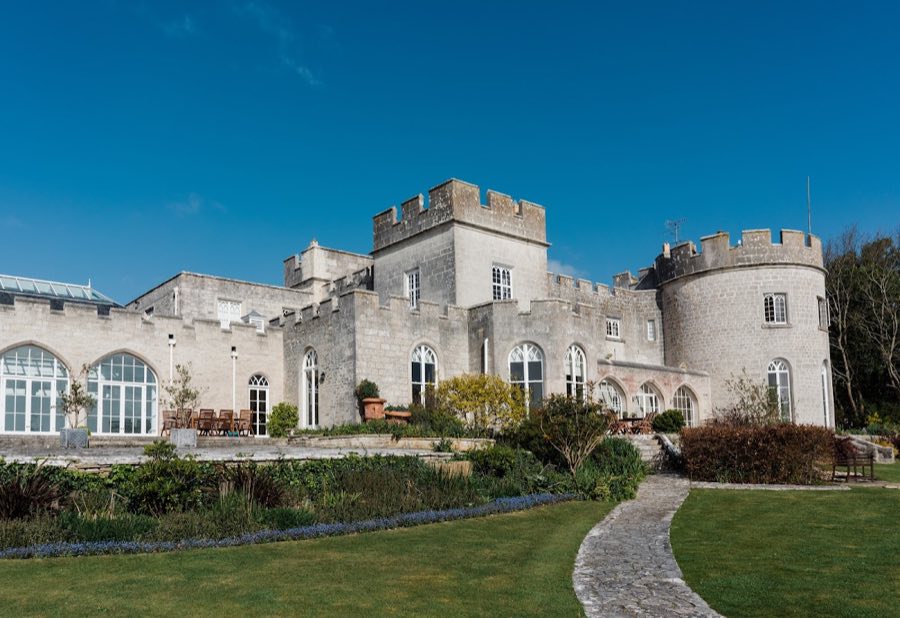
Pennsylvania Castle is a castle in United Kingdom with origins associated with the 18th century.
See all castles in United KingdomPennsylvania Castle, Portland, United Kingdom, was constructed by British patrons and architects at the end of the eighteenth century.
Construction began in 1797 and concluded around 1800 to the designs of architect James Wyatt for John Penn, who served as Governor of Portland and was the grandson of William Penn. John Penn chose the site after visiting the stretch of coast while accompanying King George III and intended the house as a seaside mansion. The completed house was formally opened in 1800 by Princess Elizabeth.
A few years after the house was finished, Penn had a bathing structure erected below the gardens. Local custom was enforced by Portland’s Court Leet, which demanded rent on the grounds that the bath occupied common land. Penn refused to pay the demanded charges and the bathing facility was abandoned.
In literature the house appears under a different name: Thomas Hardy used it as his model for “Sylvania Castle” in the 1892 novel The Well-Beloved. During the Second World War the castle hosted senior Allied leaders; Winston Churchill, General Dwight D. Eisenhower and General Charles de Gaulle visited and met at the property to finalise plans for the Normandy landings.
After the war the private residence was converted into a hotel in 1950, operating as The Pennsylvania Castle Hotel into the 1990s. During the twentieth century the original rectangular main block was enlarged by later additions. The house returned to private ownership in the 1990s. In 2011 the estate was sold for £4 million to a buyer from Australia and was then offered as a holiday property and as a venue for weddings, private and corporate events. The main house holds Grade II listed status; the associated gatehouse and lodges are also Grade II listed and are now held separately.
The site is a Gothic Revival mansion set above Church Ope Cove in the Wakeham area of Portland. Built of local Portland stone between 1797 and 1800, the principal block originally took a rectangular plan before twentieth‑century extensions altered its footprint. The house stands prominently on its plot, its massing and stone construction reflecting late eighteenth‑century building practice using the island’s quarried limestone.
The main building retains a sequence of fortified Gothic motifs. Projecting corner turrets mark the angles of the house and provide vertical emphasis, while embattled parapets run along rooflines to give a crenellated silhouette. A round tower rises from the composition and reads as a focal element on the seaward side. These features are executed in the same Portland stone as the body of the house. The twentieth‑century enlargement modified the original rectangular block but the principal historic fabric of the mansion survives and the property has been placed under Grade II protection.
Below the gardens there is the recorded bathing structure erected a few years after the house was completed; contemporary records note that it was constructed during John Penn’s ownership but abandoned after a dispute with Portland’s Court Leet over rent for use of common ground. Adjacent to the castle stand a gatehouse and separate lodges that historically formed part of the estate. Those buildings also carry Grade II listed status and are in separate ownership from the main house today.
No. 98793
No. 62255
No. 83340

No. 95442
Comments
Comments for Pennsylvania Castle will require a verified account before posting.
We'll send a verification link before your first comment is published.