No. 62449
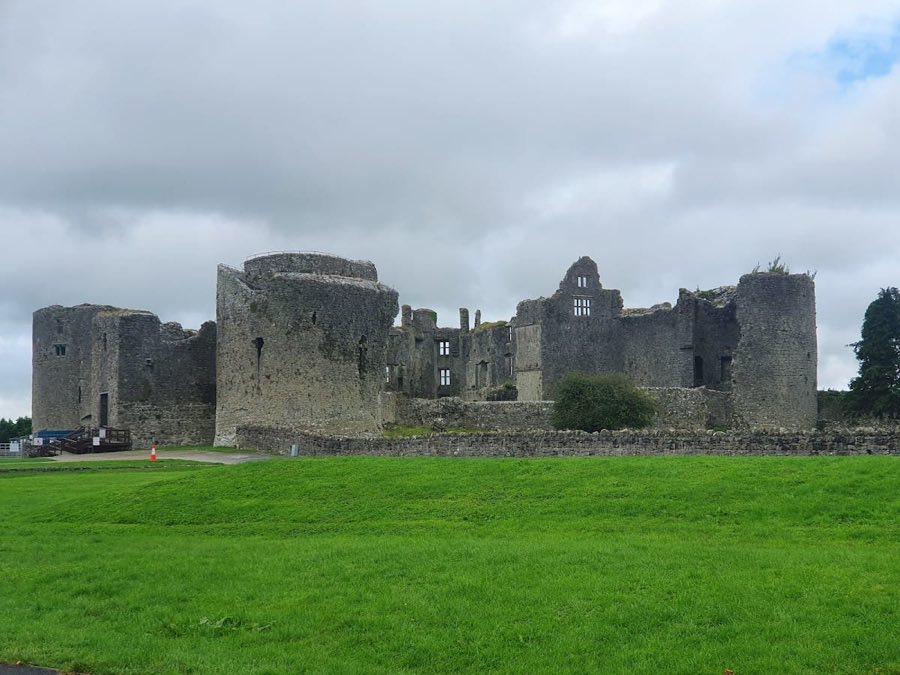
Roscommon Castle
Ireland
CastleRuinFor events12th century
No. 18339
Castle · Ireland
No. 18339 · 53.539 N, 7.991 W
Quick summary
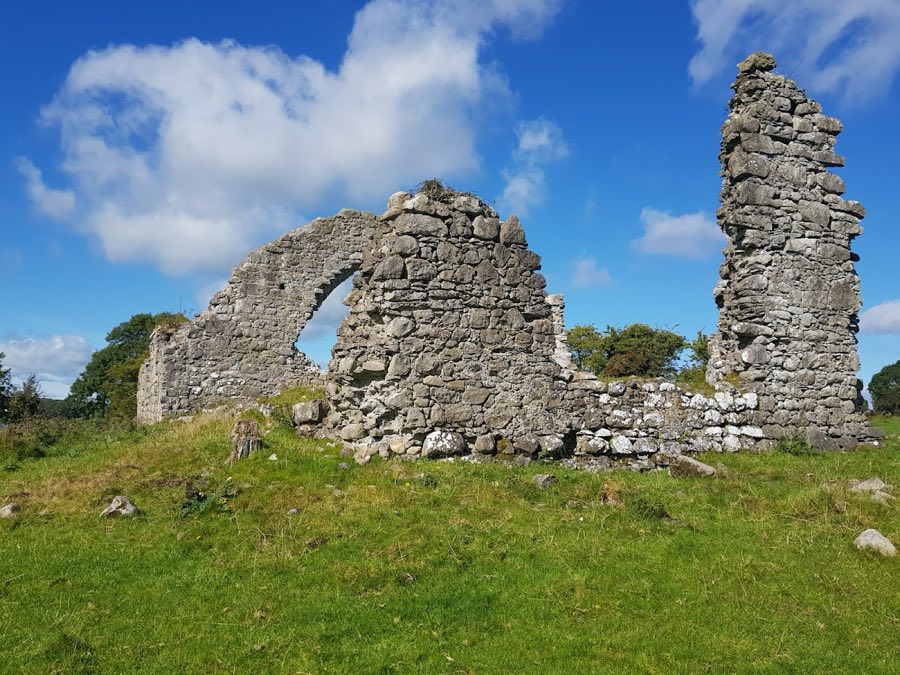
Rindoon Castle is a castle in Ireland with origins associated with the 12th century.
See all castles in IrelandRindoon Castle, Rindoon, Ireland, was constructed by the Anglo-Norman authorities.
The site had been used before the Norman period. A fortified enclosure is linked in tradition to a ninth-century figure named Turgesius, and the fleet of the last High King, Ruaidri Ua Conchobair, is recorded as wintering there in 1156. The place name Rinn Dúin is rendered in English as fortress of the headland.
The stone castle was raised in 1227 for King Henry III. Geoffrey de Marisco is named as the immediate builder and, in the same year, the fortress and its settlement were put into the custody of Phillip de Angulo. The settlement that grew beside the castle appears in fiscal records in the mid thirteenth century, with Exchequer mentions in 1241 and 1259, and documented trade showing exports of hides, wool and dairy and imports from France including wine, grain and cloth. Tax receipts rise in the surviving accounts from eight pounds in 1259 to three hundred and twenty pounds in 1285.
Military conflict marked the later thirteenth century. In 1236 Felim mac Cathal Crobderg Ua Conchobair sacked the town though the castle itself was not besieged. In 1271 Áed, son of Felim, took the castle. After 1273 Geoffrey de Geneville undertook work to repair the place and to repopulate the settlement; a large repair expenditure is recorded in 1277, and a carpenter named William Prene worked there around 1284–1285. The 1280s and 1290s saw episodes of disorder and reduced revenues. In 1294 Richard de Burgh was imprisoned by John Fitzthomas Fitzgerald and was later transferred to Geoffrey de Geneville.
The early fourteenth century brought further violence. During Edward Bruce’s invasion in 1315 both Athlone and Rindoon were burned. Richard Óg de Burgh ordered rebuilding in 1318. In 1321 the castle was destroyed by forces of the O’Reilly and O’Naghlan families; the walls were rebuilt that year by Robert de Kendall, yet the town afterwards remained deserted. John de Fountayns is the last lord named with responsibility for the place until Irish reconquest of the territory between 1340 and 1342, at which point the castle appears to have been abandoned for good. The priory attached to the site continued to be mentioned in papal letters during the fifteenth century.
Later documents keep the place in view. An interest in the ruins is recorded for the Earl of Clanrickard in 1544. In 1578 lands were granted to Thomas Chester and George Goodman with a duty to provide English archers. In 1605 Edward Crofton received the lands and wrote of a priory dedicated to St John the Baptist, a church with a bell tower, a lodging, gardens and six houses in the village of St John. In the early twenty-first century plans were reported for partial restoration and for use linked to visitors, but those schemes were not carried through.
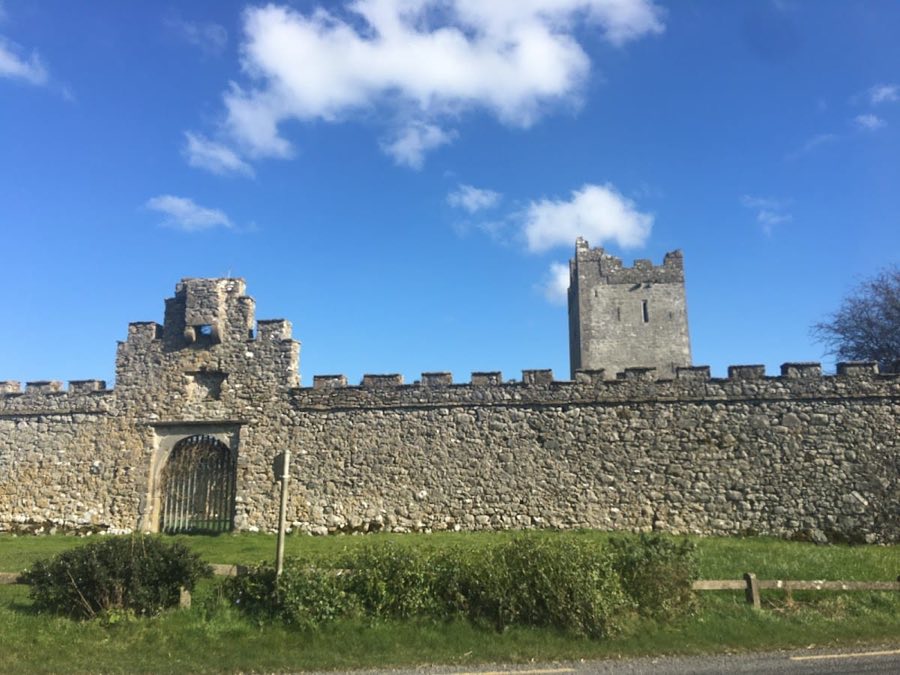
The castle occupies the centre of the Rindoon peninsula, raised above the west shore of Lough Ree within an area historically called St John’s Wood and sometimes known as Warren Loop. The surviving fabric presents as a medieval ruin concentrated where the defensive enclosure once controlled the appr
No. 62449
No. 76027
No. 30903
No. 62672
Comments
Comments for Rindoon Castle will require a verified account before posting.
We'll send a verification link before your first comment is published.