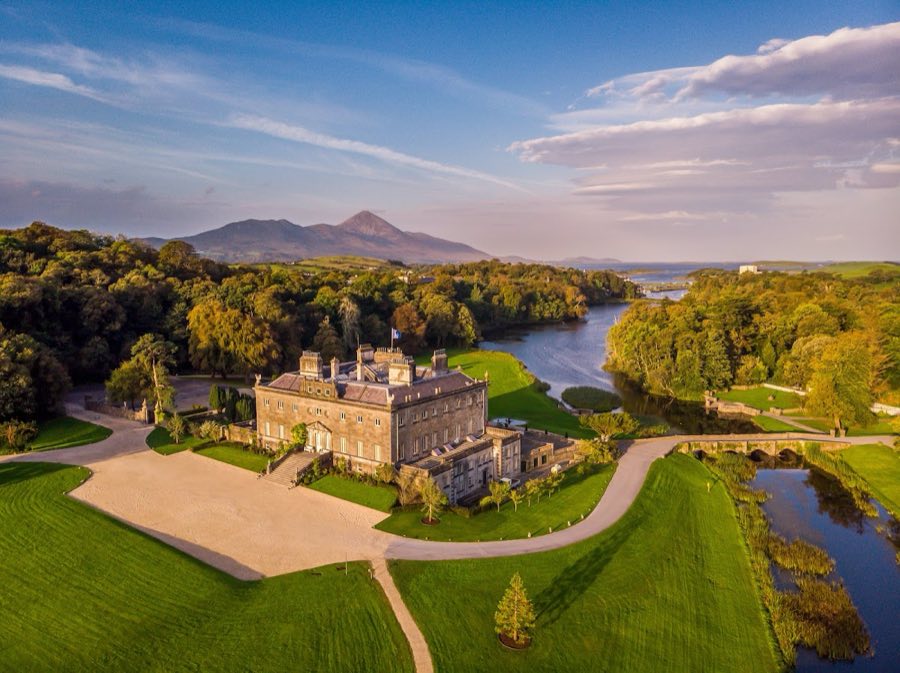
No. 97130
Westport House
Ireland
Manor houseRuin17th century
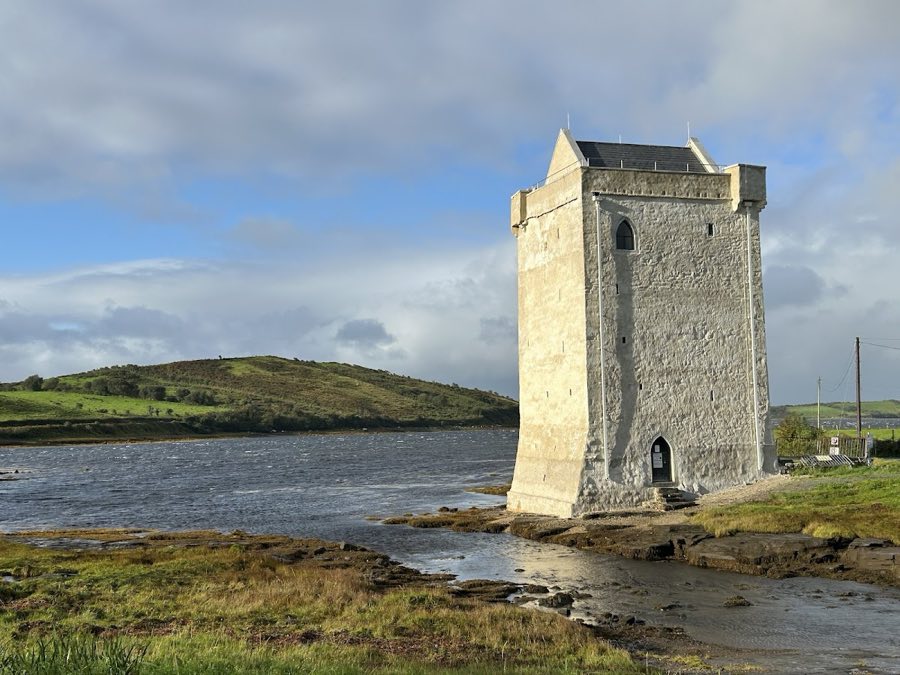
No. 25336
Tower house · Ireland
No. 25336 · 53.897 N, 9.632 W
Quick summary
Rockfleet Castle is a tower house in Ireland with origins associated with the 16th century.
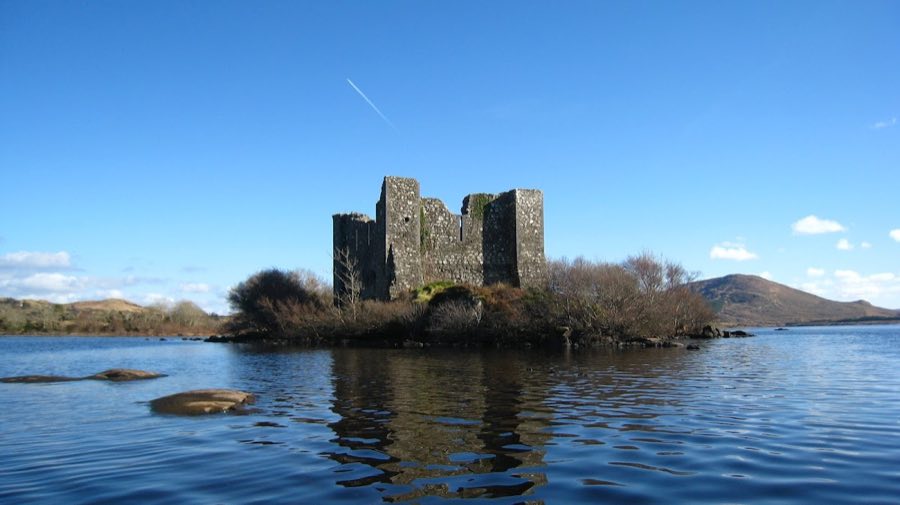
See all castles in IrelandRockfleet Castle stands near Newport, Ireland; it was constructed in the mid-16th century under the ownership of Sir Richard Burke (Risdeárd an Iarainn). Sir Richard, who also operated nearby iron-processing works and held lands around Burrishoole, is the first recorded proprietor of the tower house.
In 1566 Sir Richard married Gráinne Ní Mháille, commonly known in English as Grace O’Malley. She initially shared the castle with her husband, used the tower as a place of refuge, and kept at the site a fleet of roughly twenty ships engaged in maritime raiding. After Sir Richard died in 1583, Gráinne remained at Rockfleet. When English forces captured part of her fleet and took her brother, she opened negotiations and thereafter abandoned her piratical actions, and the castle thereafter declined in strategic importance.
Ownership passed to the Arbuthnot family during the 18th century. In the first half of the 20th century Owen O’Malley, a direct descendant of Gráinne, bought the tower and carried out repairs following the Irish Civil War. The property later came into the possession of a United States ambassador to Ireland. The site is recorded in the National Monuments list and is held under Guardianship. Over time the castle’s name has been anglicized to Carraigahowley, often rendered as Carrickahowley.
The tower occupies a tidal position at the mouth of a narrow sea inlet on the north shore of Clew Bay, a location chosen in part because regular tides and flooding made a prolonged siege difficult. Visiting arrangements have varied in reports: at times the castle has been described as open without charge during summer months, in other accounts as open year-round, and in other reports access was formerly public but has been restricted on safety grounds. Conservation and access interventions in recent years include installation of a metal walkway from the adjacent meadows to the castle door in 2015 to address high-tide access, and exterior repointing work carried out in 2017. Local tradition holds that a treasure once kept in the castle is buried in nearby fields and that disturbing it will bring the Headless Horseman.
The surviving structure is a stone tower-house set on a roughly square plan, rising to about 18 metres and organized into four storeys. Built in the mid-16th century, it follows the compact vertical form of Irish tower-houses, with heavy masonry walls and internal timber floor levels formed from thick oak boards. The overall appearance is that of a fortified residence keyed to coastal defence and shelter.
Windows are minimal, consisting mainly of narrow loopholes and arrow slits that admit light while serving defensive purposes. Between the ground and the first floor there is no permanent internal stair; access was provided by a hatch in the ceiling and a movable wooden ladder. A stone spiral staircase links the upper storeys. The top floor contains a fireplace, indicating a heated chamber near the roof level for living or defensive use.
The roof is a gabled, saddle form with a surrounding parapet. Two small projecting turrets rise above the parapet; these projecting turrets are early modern defensive features that allowed observation along the wallhead. Internal oak floors, the spiral stair, the ladder-access arrangement, and the fireplace survive as identifiable elements of the original plan. Conservation work in the 21st century included repointing of the exterior masonry and the addition of a metal walkway in 2015 to provide access at high tide; these interventions have helped stabilise and make the structure accessible from the adjacent meadows.
The tower stands at the mouth of a narrow inlet looking out toward the low drumlin islands of Clew Bay. Road N59 runs to the north near Ardagh, and the recorded coordinates for the site are 53°53′45.7″N, 9°37′37.5″W. Local oral tradition links the surrounding fields with a buried treasure and warns that disturbance will bring the Headless Horseman; this legend is part of the site’s folkloric association.
No. 97130
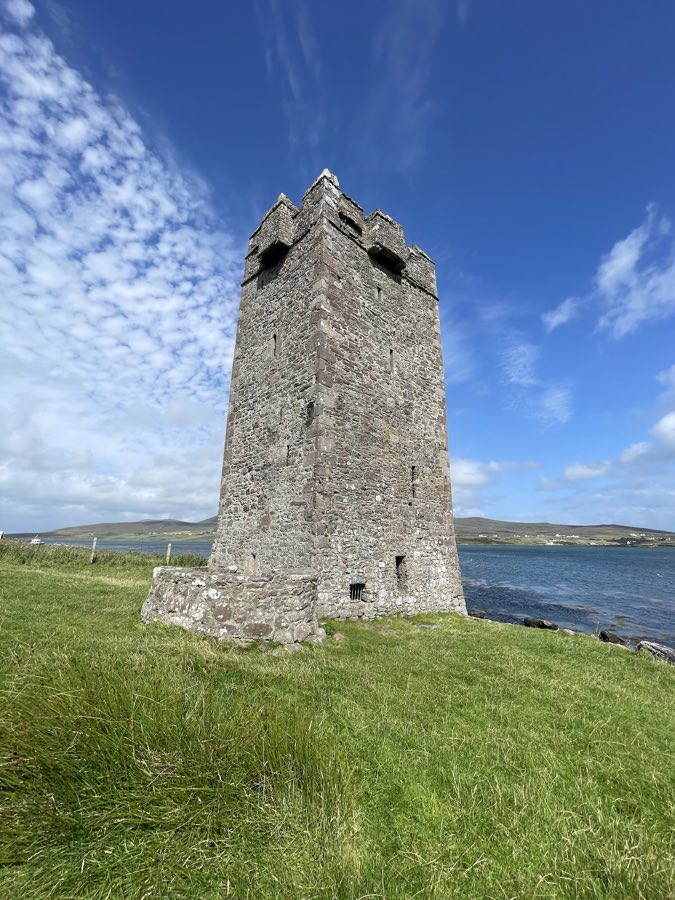
No. 66542
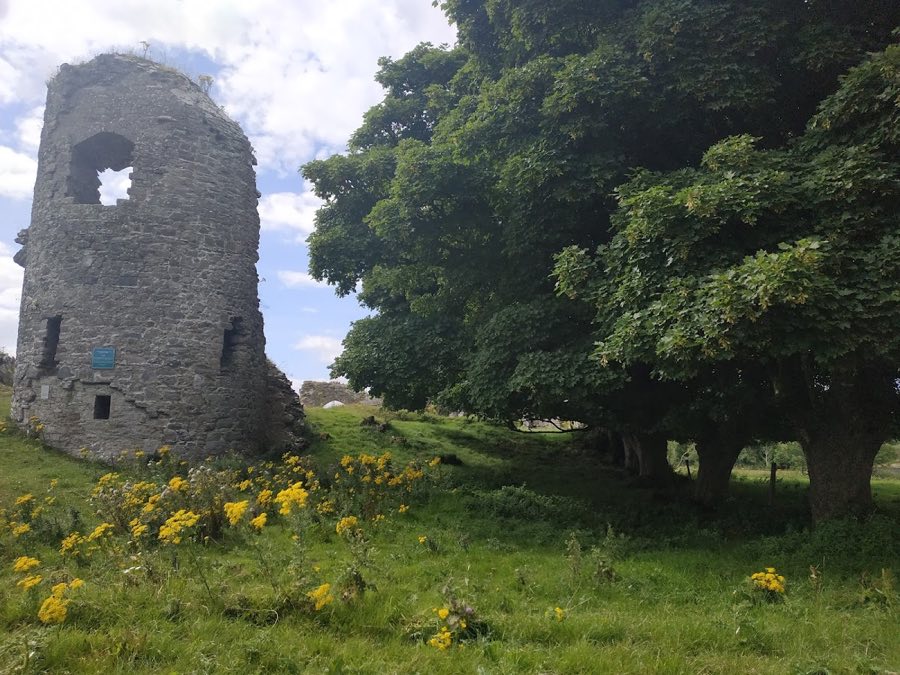
No. 54343
No. 48381
Comments
Comments for Rockfleet Castle will require a verified account before posting.
We'll send a verification link before your first comment is published.