No. 38942
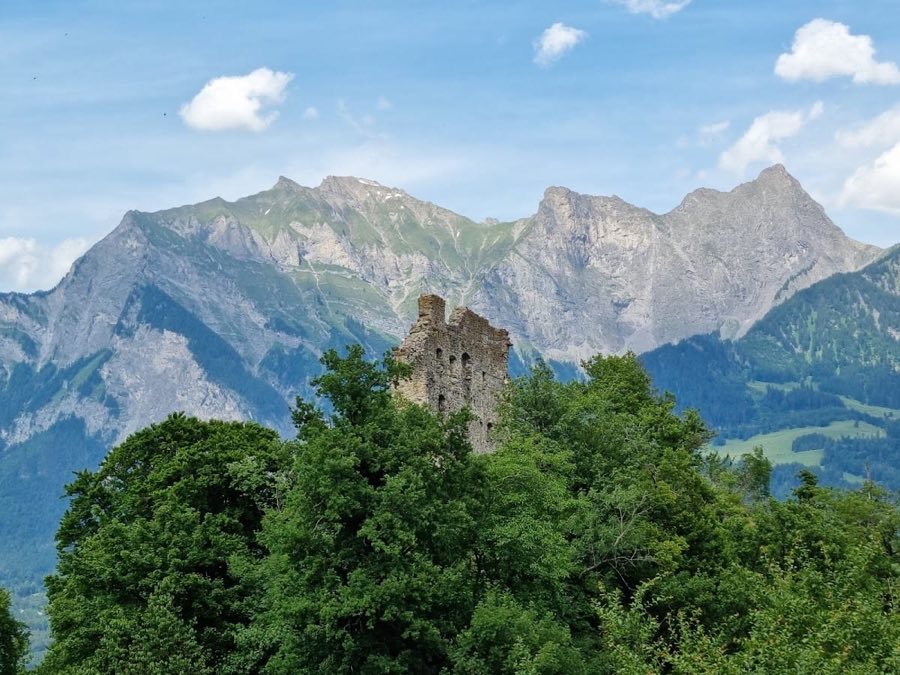
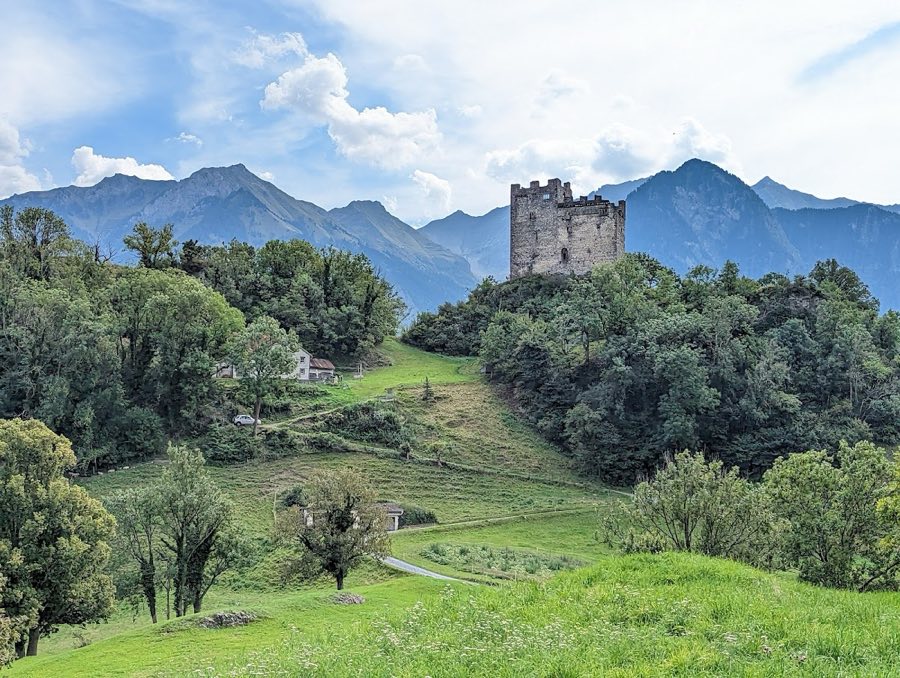
Wartenstein Castle
Switzerland
CastleRuinFor rent13th century
No. 37244
No. 37244 · 47.011 N, 9.529 E
Quick summary
Salenegg Castle is a castle in Switzerland with origins associated with the 19th century.
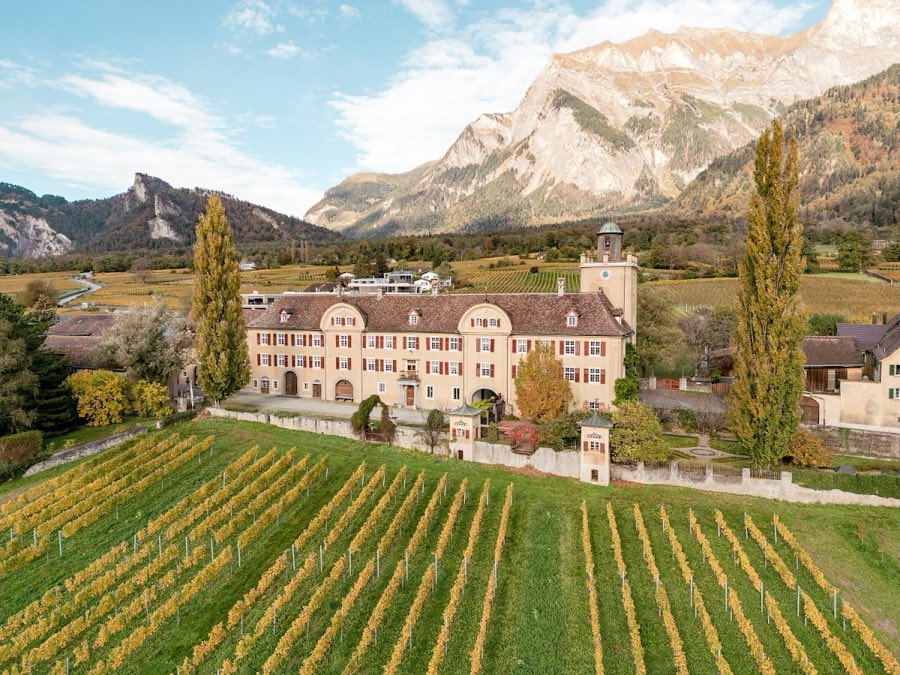
See all castles in SwitzerlandSalenegg Castle stands in Maienfeld, Switzerland; its earliest predecessor was built around the year 950 by the prior of the Pfäfers monastery, a medieval Christian monastic community.
The earliest recorded house on the site was known as Prestenegg and belonged to the monastery of Pfäfers. That house served the sick whom the monastery’s monks were charged to care for and occupied a sunny position on the valley slope. In 1330 the property entered the hands of the Freiherren von Vaz; when that line died out in 1338 the estate passed to the Werdenberger family and thereafter to the Toggenburger family. By the second half of the 1400s the house was owned by the Beeli von Belfort family.
Following several further transfers, Vespasian von Salis and his wife Anna von Schauenstein bought the property in 1594. Ten years later they rebuilt and enlarged the house and gave it the name Salenegg. At that time a willow associated with the von Salis emblem was planted beside the courtyard well. Vespasian’s daughter Violanda brought the estate into the von Molina family by marriage to Ritter Anton von Molina.
During the unrest known as the Bündner Wirren, in 1637 Anton von Molina, identified as a supporter of Austrian interests, was one of the conspirators against Duke Henri II de Rohan. In that phase Molina extended the building to the south and created the garden hall on the ground floor. In 1654 Molina’s daughters sold Salenegg for 14,000 Gulden and six Fuder of wine to Hans Luzi Gugelberg von Moos, who served as Landeshauptmann in the Veltlin and as the city bailiff of Maienfeld. Around this purchase Hortensia Gugelberg von Moos lived at Salenegg.
In about 1713 Ulysses Gugelberg von Moos added an annex with a stair, and his sons Heinrich, Lorenz and another Ulysses erected the tower in 1756. Between 1782 and 1784 Ulysses Gugelberg carried out the largest remodelling, joining the previously separate building phases into the single complex that is seen today. The property has remained in the Gugelberg von Moos family. The building contains 79 rooms in total, of which 27 are inhabited.
Viticulture has a long history at the site, with wine cultivation recorded from 1068. The Salenegg estate is described as the oldest continuously operating winery in Europe and produces wines, brandies and several types of vinegar. A willow planted beside the courtyard well in the early 1600s grew to notable proportions by the late 19th century; contemporary measurements recorded the old trunk at 5.40 metres in circumference by 1926 and also noted a younger trunk that had developed within the older shell measuring about one metre in circumference that same year. The poet Rainer Maria Rilke wrote the poem “Die Weide von Salenegg” into the castle guestbook in August 1926. Salenegg Castle is listed as a Swiss heritage site of national significance.
The complex presents as a manor-like lordly residence north of Maienfeld, formed from multiple phases of building that were joined into a single structure in the late 18th century. The unified plan and rooflines reflect that final remodelling of 1782–1784, so the standing compound today embodies the sequence of earlier additions and alterations.
The garden hall occupies a ground-floor position added during the 17th century when Anton von Molina extended the house to the south. Its ceiling carries a painted scheme of heraldic shields, showing the coats of arms of forty Bündner families along with the emblems of the Three Leagues. The painted decoration records a wide array of regional noble and patrician names and remains a primary decorative feature associated with the 17th-century enlargement.
A courtyard well survives at the centre of the site, and beside that well a Sal-willow was planted in the early 1600s as a planted emblem for the von Salis family. Reports from the late 19th century describe the tree’s remarkable size, and measurements recorded in 1926 give the old trunk a circumference of 5.40 metres while a younger trunk growing inside the older shell measured about one metre in circumference that year. The willow has been noted in contemporary commentary and entered the castle’s cultural record through Rainer Maria Rilke’s inscription in the guestbook in August 1926.
A principal reception room, the large parlor, was fitted with wood wall panelling by Hans Luzi Gugelberg von Moos after the 1654 purchase, representing mid-17th-century interior outfitting. Equipment associated with wine production was brought to the house for its cellar operations, including a press beam fashioned from a large oak felled at Flums; that oak was transported to Maienfeld with a team of fifty oxen and installed as the site’s press beam.
An annex containing a stair was added around 1713 and a tower was constructed in 1756; these elements survive as identifiable building phases within the present complex. The structure contains 79 rooms in total, of which 27 are recorded as occupied, and the overall ensemble is recognized as a nationally significant heritage property in Switzerland.
No. 38942
No. 51041
No. 69913
No. 83783
Comments
Comments for Salenegg Castle will require a verified account before posting.
We'll send a verification link before your first comment is published.