No. 85245
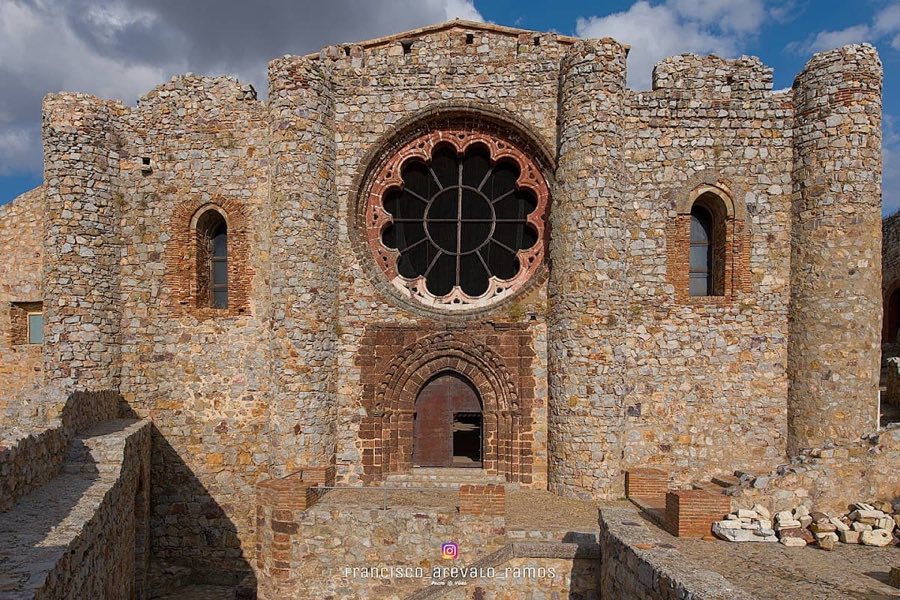
Calatrava la Nueva
Spain
CastleRuinFor events13th century
No. 39932
Castle · Spain
No. 39932 · 38.669 N, 3.822 W
Quick summary
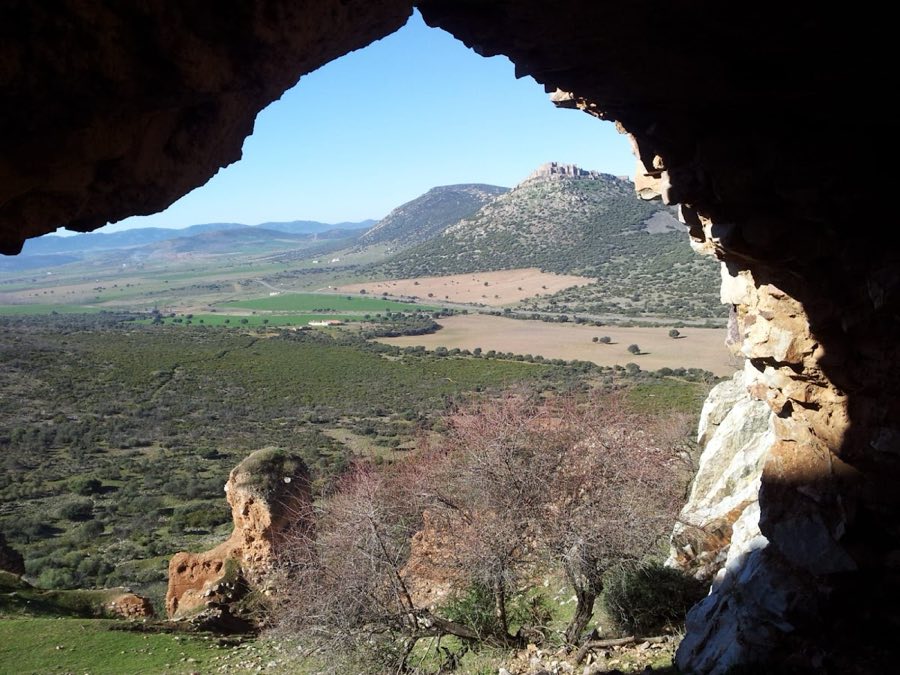
Salvatierra Castle, Calzada de Calatrava is a castle in Calzada de Calatrava, Spain with origins associated with the 12th century.
See all castles in SpainSalvatierra Castle, Calzada de Calatrava, Spain, has an uncertain origin: it may have been erected by Muslim builders in the 10th to 12th centuries or, alternatively, some have proposed a Roman foundation.
In the later medieval period the fortress came under the control of the Order of Calatrava during the 1100s. In 1170 the order’s master, Don García, and his followers are recorded as going to the castle. The stronghold passed into Christian hands in the second half of the 12th century, then returned to Muslim control in 1195.
Calatrava knights mounted a reconquest of the castle at the turn of the century. The date is reported as either 1197 or 1198; one detailed account records a campaign led by maestre Martín Pérez de Siones with 400 knights and 700 peons. After this action the Order established its convent and seat at Salvatierra and became known as the Order of Salvatierra while based there.
In 1211 the Almohads seized the fortress following a siege that lasted fifty-one days, during which the adjacent village fell first and the castle defenders slipped away at night. Christians regained the site at a later time; dates recorded for its return to Christian control include 1213 to 1215 and circa 1225–1226. The settlement clustered around the castle saw the earliest abandonment in the 1100s. The fortress remained in use after the Order relocated to Calatrava La Nueva and continued to function into the 14th century. Written documentation for the site is scarce and a major archaeological excavation campaign is needed to clarify its origins.
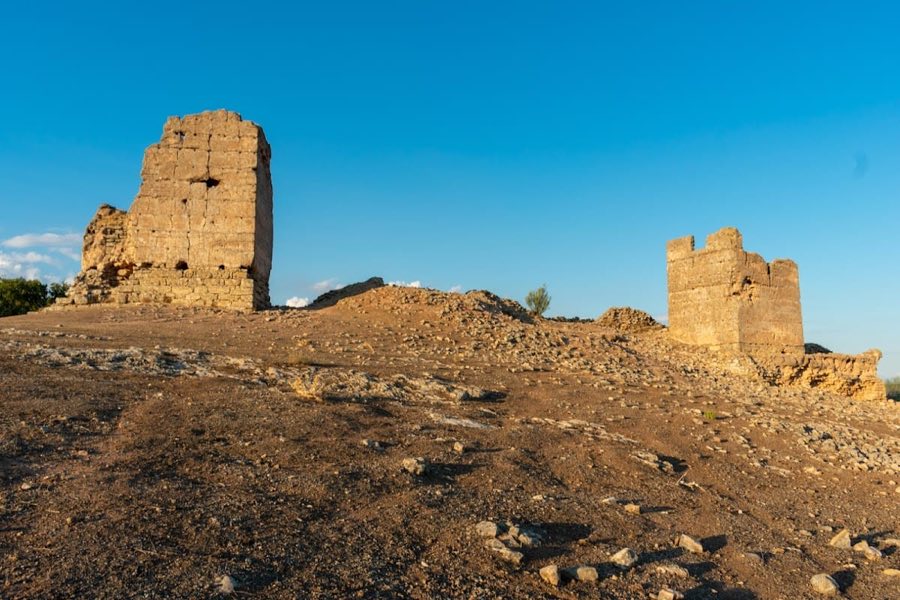
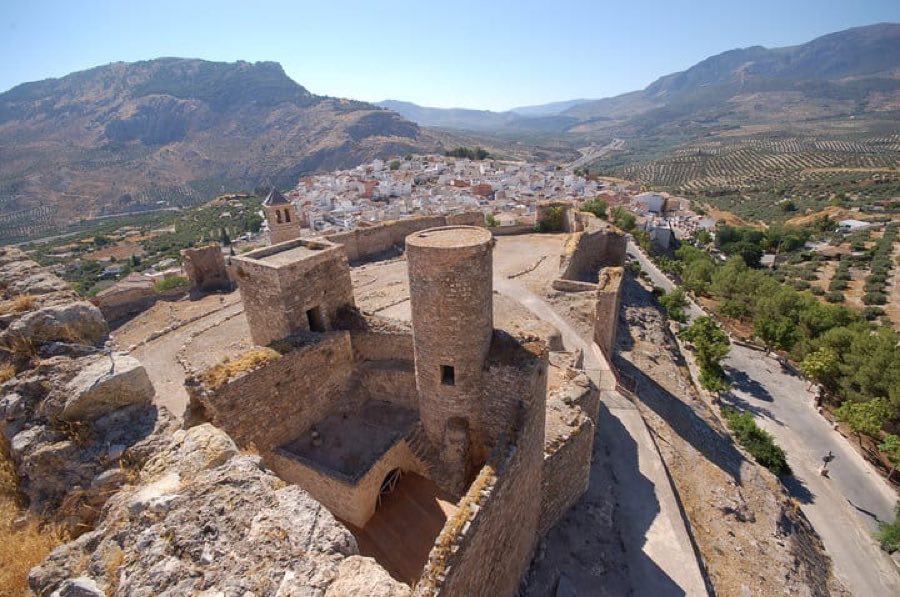
The surviving layout centres on a prominent keep and an enclosing defensive circuit that exploited the steep slope to the southeast. The keep still rises above the ruin and the perimeter once included a continuous curtain of walls and several defensive towers, giving the impression of a compact, strongly defended enclosure set on a low hill opposite Calatrava La Nueva.
The keep, interpreted as the main tower of the castle, is constructed in rubble masonry with large ashlar cornerstones cut from volcanic rock, which lend the masonry a reddish aspect. At the foot of this tower the springing of a dome survives, indicating an internal covered chamber directly adjoining the main vertical structure. The keep itself remains standing while surrounding elements are fragmentary.
Sections of curtain wall and detached defensive towers show two different building methods that reflect successive occupations. One technique uses a lime-and-stone concrete associated with Christian construction phases, while the other is an Islamic concrete method identified as tabiya. These differing materials and assemblies indicate episodes of rebuilding and reuse tied to the castle’s changing control.
Within the ruin there are several complete masonry vaults that served military and storage purposes, a series of subterranean chambers, and masonry-built cisterns that collected water. The area on the slope facing Calatrava preserves the footprint where the accompanying settlement clustered, a district recorded as the first to be abandoned in the 12th century. Overall the site survives as a ruin with these standing and sub-surface features providing the principal archaeological evidence.
No. 85245
No. 33294
No. 33431
No. 29605
Comments
Comments for Salvatierra Castle, Calzada de Calatrava will require a verified account before posting.
We'll send a verification link before your first comment is published.