No. 79742
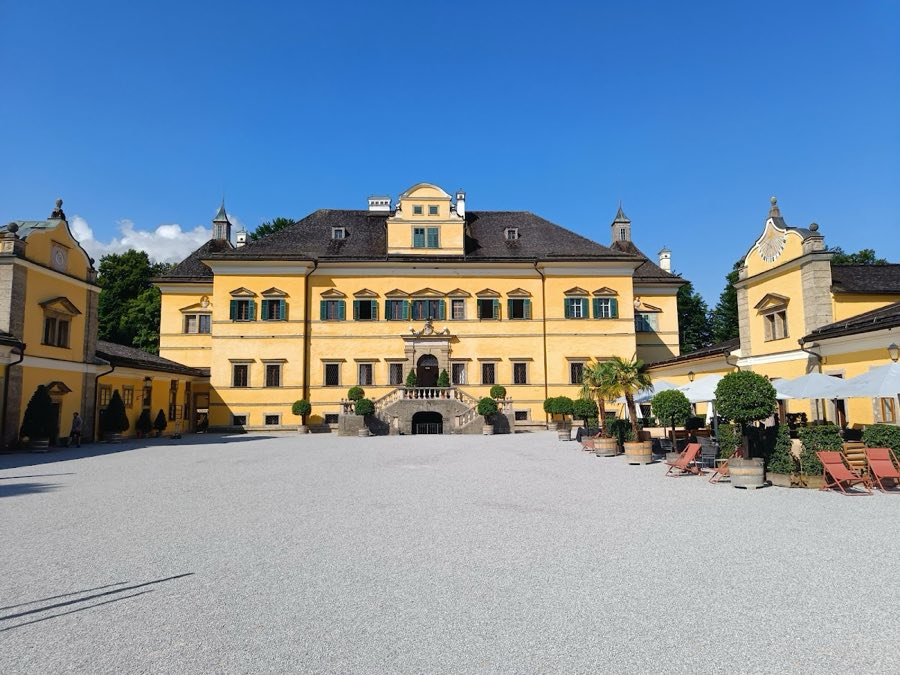
Hellbrunn Palace
Austria
PalaceRuin17th century
No. 32056
Manor house · Austria
No. 32056 · 47.777 N, 13.061 E
Quick summary
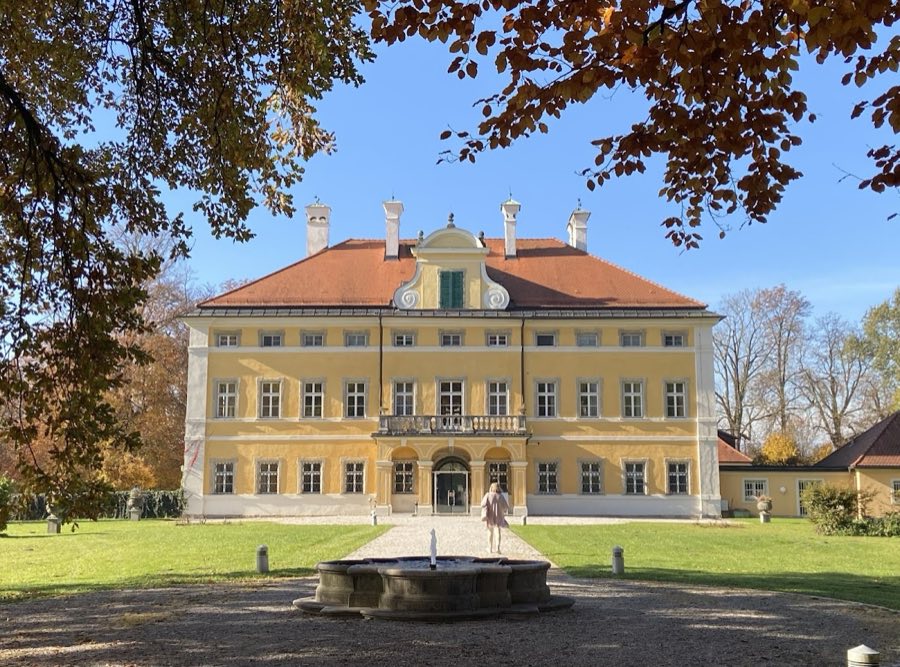
Schloss Fronburg is a manor house in Austria with origins associated with the 17th century.
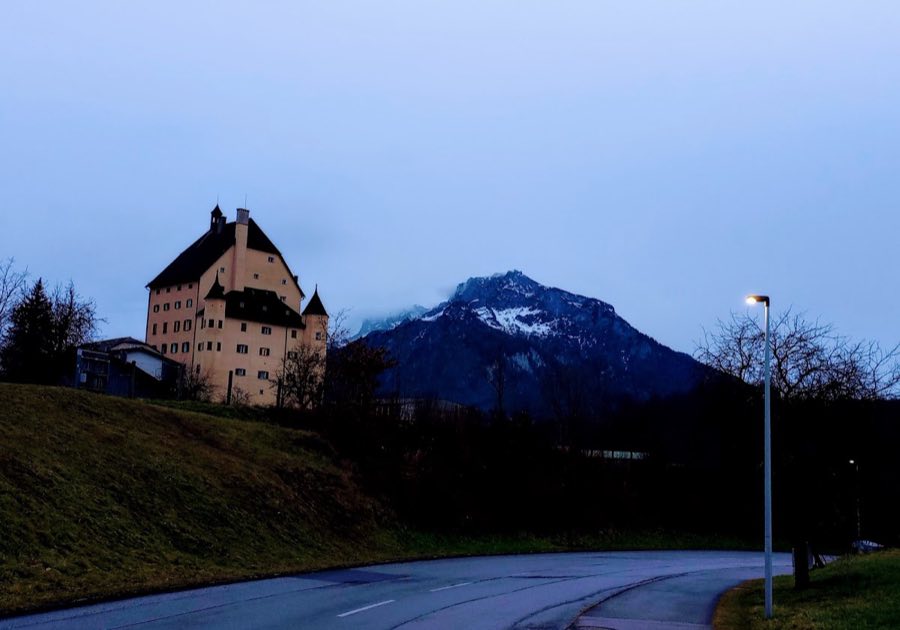
See all castles in AustriaSchloss Fronburg in Salzburg, Austria, began as a small noble residence erected before 1618/19 and developed into the type of Salzburg country palace associated with the Baroque period. The earliest recorded builder was the noble councilor and chamberlain Johann Georgen von Tullier, Freiherr zu Froberg, who put up a modest building, called a Stöckl, at the site. Over the following centuries the property acquired architectural and landscape features typical of estate houses around Salzburg and became the centre of a long family tenure that shaped its course.
During the late 17th century the estate passed into the hands of the Counts of Kuenburg. In 1670 the family acquired the entire property, and in 1672 Archbishop Max Gandolf of Kuenburg granted the count a large land allotment near the Hellbrunner road. Building work began in that year, initiating a substantial phase of rebuilding and enlargement that gave the complex much of its later character. It is not certain to what degree earlier 17th‑century fabric was retained in the 1672 works.
The estate continued to be modified over the 18th century. Two designs for carriage houses dated 1758 are preserved in the Salzburg Museum, showing the continued adaptation of service buildings to meet the needs of a landed household. The Counts of Kuenburg remained proprietors without interruption until 1960, giving the site a remarkable continuity of ownership through changing political circumstances.
In the 20th century the estate experienced military occupation and civic reuse. After the Second World War American occupation forces confiscated the buildings. Around 1954 occupation soldiers reportedly buried a central fountain bowl in the garden; that bowl was later excavated and restored in 2000. In 1960 the Republic of Austria purchased the property to provide premises for the Mozarteum Academy and the Carl Orff Institute; a student residence was added and the palace has remained part of the Mozarteum University to the present. The palace also appeared on screen in 1965, used for exterior shots in the film The Sound of Music together with Schloss Leopoldskron.
The place-name has varied over time. The estate is commonly called Frohnburg, sometimes spelled Fronburg, and it has also been known as Grafenauerhof or Schloss Kuenburg. The name Frohnburg is most likely derived from the Old High German element fro, meaning roughly “lord” and indicating a lordly house, though an origin in a Froberg family name has also been proposed. In recent years parts of the historic tree-lined axis toward Grafenau have been reinstated following historical models, reviving an older landscape connection.
The palace sits within the Hellbrunn landscape garden and is surrounded on all sides by a high enclosing wall. The principal approach comes from the west, where the avenue led to the castle courtyard, the Schlosshof (castle courtyard), which stands at the historical single avenue access. The main body of the house faces east toward the Salzach river, orienting the principal rooms and landscape relationship in that direction.
A wrought-iron entrance gate on Hellbrunner Allee provides the formal street access. This iron gate dates to the 17th century and is flanked by contemporary gatekeeper and gardener houses, small service dwellings placed at the entrance to control access and manage the grounds. Above the eastern entrance portal a carved coat of arms cartouche records the long connection with the Kuenburg family, functioning as an identifying emblem of ownership.
Remnants of the former Baroque garden survive within the enclosed grounds. Two geometric garden ponds remain as formal water features, and the central fountain bowl, which had been buried in the mid-20th century, was excavated and conserved in 2000 and now stands restored in its original setting. A wall fountain showing Cupid riding a dolphin exists as a reproduction of an antique original drawn from the Farnese collections; the original sculpture is held in the National Archaeological Museum in Naples. The tree-lined garden axis extending toward Grafenau (also called Herrenau or Josefiau) remains partially legible across the landscape and has been re-established as an orchard avenue since 2014, while the former bridge over the Eschenbach stream survives only in part and is affected visually by a nearby parking area.
East of the palace park the old manor farm, the Meierhof (manor farm), survives in good condition. Built to serve the agricultural and domestic needs of the estate, the buildings now accommodate a Montessori kindergarten, demonstrating a later reuse of the farm complex within the historic setting.
No. 79742
No. 55579
No. 43886
No. 31439
Comments
Comments for Schloss Fronburg will require a verified account before posting.
We'll send a verification link before your first comment is published.