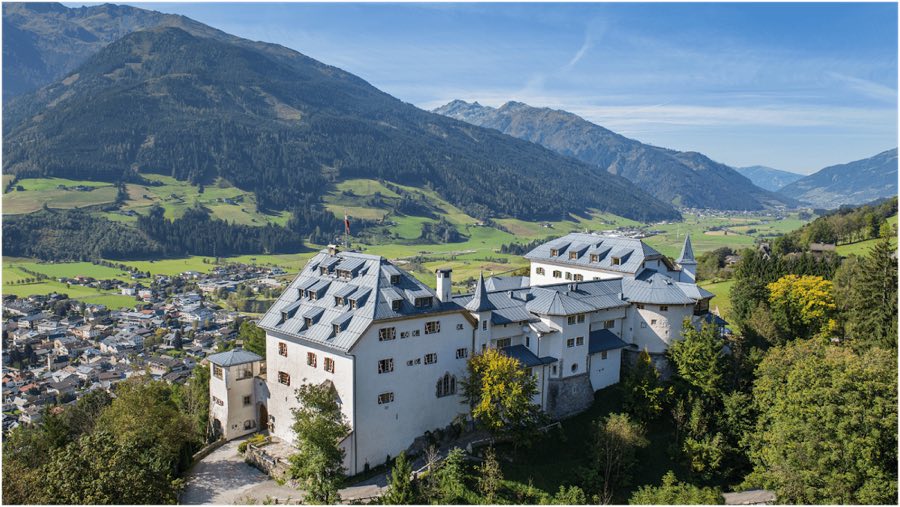
No. 67970
Mittersill Castle
Austria
CastleRestoredFor rent12th century
No. 88541
Castle · Austria
No. 88541 · 47.443 N, 12.401 E
For rent
Schloss Kaps is marked for bookable castle accommodation. Nightly pricing, sleeps count, stay rules, and amenities are displayed only when public operator data is available.
Rental type: Hotel / bookable stay, Short-stay rental
Short-term availability: Bookable accommodation signal
For events
Schloss Kaps is marked as a château or castle venue lead. Capacity, indoor/outdoor spaces, catering rules, and accommodation options are published only after public verification.
Event types: Private events, Cultural gatherings, Filming and photography
Accommodation: Accommodation signal present
Quick summary
Schloss Kaps is a castle in Austria with origins associated with the 16th century.
See all castles in AustriaSchloss Kaps in Kitzbühel, Austria, is a castle complex that took shape around the turn of the 16th century. Its principal building grew from a long‑established rural estate first recorded in the 14th century into a noble residence that was repeatedly altered to suit changing ownership and status; over time it became associated with regional noble families and was later adapted for hospitality and cultural uses, reflecting its continuing local role.
The place known as Kaps appears in documents from the 1300s as an estate, indicating occupation and landholding on the site in the late medieval era. The standing castle structure was probably constructed in the 1500s and first appears in written records in 1615, by which time it formed a recognizable manorial complex within the Tyrolean landscape.
In 1627 the property passed into the hands of the Counts Wolkenstein‑Trostburg. Five decades later, in 1679, the Counts Lamberg acquired the estate. The Lamberg owners carried out remodelling in 1682, and in the later 17th century the rectangular core of the building was enlarged with projecting, tower‑like additions that altered its silhouette and internal arrangement.
The late 19th century brought further expansion. In 1880–81 a paired structure known as “Maps” was erected and linked to the main house by a covered corridor, and a service building for estate operations was built at the same time. Between about 1881 and 1885 a separate neo‑Gothic chapel was established on the grounds and consecrated to Saint Anne; an earlier altar dating from 1580 was installed within that chapel.
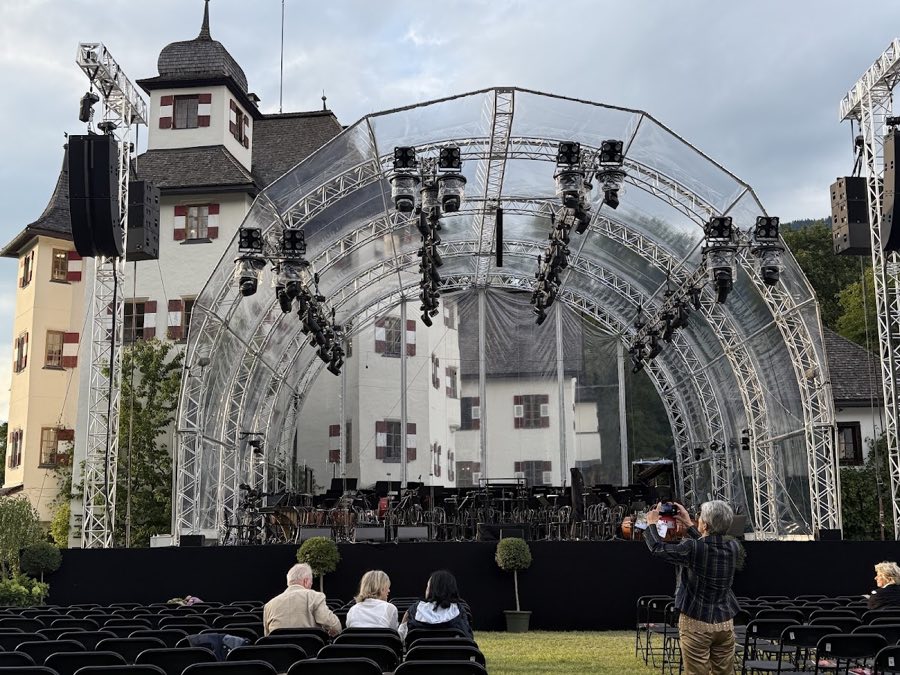
In the early decades of the 20th century Schloss Kaps was used as a guesthouse, marking a shift from private noble residence to accommodation. In the early 21st century the estate’s setting changed again when, in 2005, a hotel opened nearby and a golf course was laid out on adjacent land. The site has also served as a venue for filmed events and broadcasts: portions of a 1966 television documentary about Romy were shot around the castle, a 2018 television program titled “Schlager, Stars & Sterne – The Castle Party in Austria” was recorded there, a 2025 concert series called “Classics in the Alps” featuring Elīna Garanča took place at the site, and the Romy awards ceremony of 28 November 2025 was held at Schloss Kaps rather than its former location in the Vienna Hofburg.
The complex centers on a rectangular principal building that dates to the early 1500s and was later enlarged at the end of the 17th century with projecting, tower‑like additions. The main block preserves internal spaces and finishings from different periods, so the layout reflects both its original plan and the changes made when the house was adapted by successive owners.
On the ground floor a long corridor survives that is covered by a barrel vault, a rounded ceiling form creating a continuous curved roof over the passage. Nearby, one room retains its original exposed beam ceiling, showing the timber construction used in the building’s older fabric. Upstairs, decorative plaster ceilings from the late 1600s remain in several rooms, illustrating the interior fashions applied after the Lamberg family’s remodelling.
Heraldic and portrait features from the era of aristocratic ownership survive inside and on the exterior. Portraits of Lamberg family members are kept within the house, and a white marble coat of arms associated with that family sits above the main entrance, which is set beneath a flat arch. These elements document the castle’s association with its noble owners and have been retained in place.
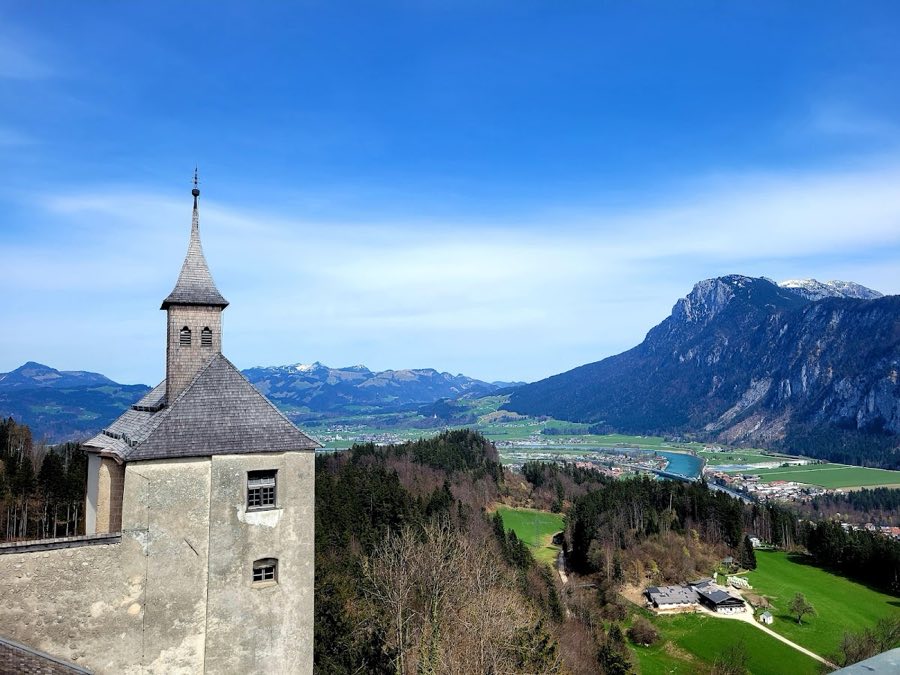
Buildings added in the late 19th century also form part of the site. The sister house called “Maps,” built in 1880–81, stands attached to the main residence by a covered corridor, and an accompanying service or economic building was erected at the same time to support estate operations. A freestanding neo‑Gothic chapel constructed around 1881–1885 stands apart from the house, dedicated to Saint Anne; the chapel contains an altar that dates to 1580 and was incorporated into the later 19th‑century sacred space.
The ensemble is recognized under monument protection and the surviving elements—the medieval estate origins expressed in the castle’s core, the later seventeenth‑century additions and interiors, the nineteenth‑century auxiliary buildings, and the neo‑Gothic chapel with its older altar—remain as the principal physical witnesses on the site.
No. 67970
No. 73157
No. 65617
No. 42168
Comments
Comments for Schloss Kaps will require a verified account before posting.
We'll send a verification link before your first comment is published.