No. 42676
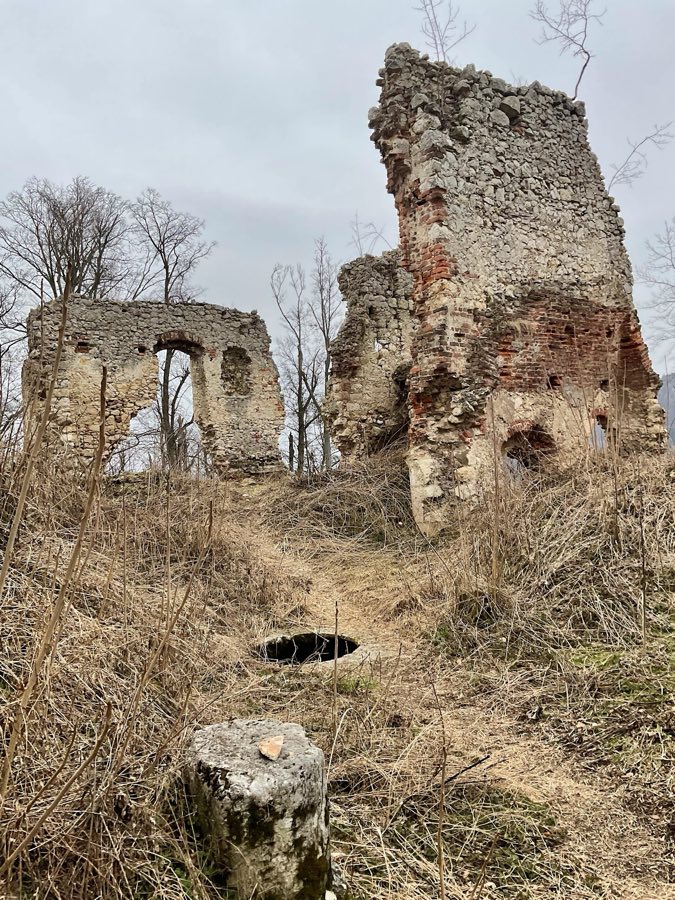
Neu-Wildon (Ober-Wildon)
Austria
CastleRuin13th century
No. 58370
Castle · Austria
No. 58370 · 46.876 N, 15.579 E
Quick summary
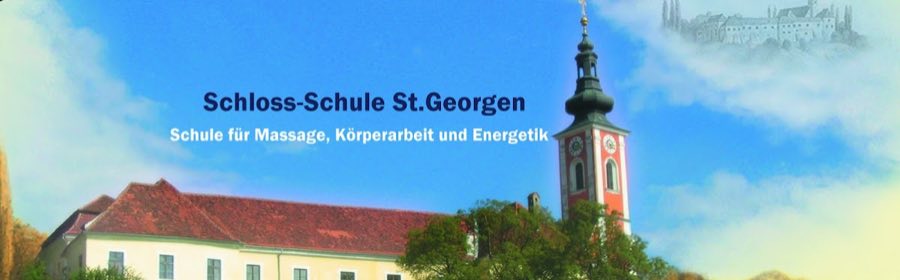
Schloss St. Georgen an der Stiefing is a castle in Austria with origins associated with the 12th century.
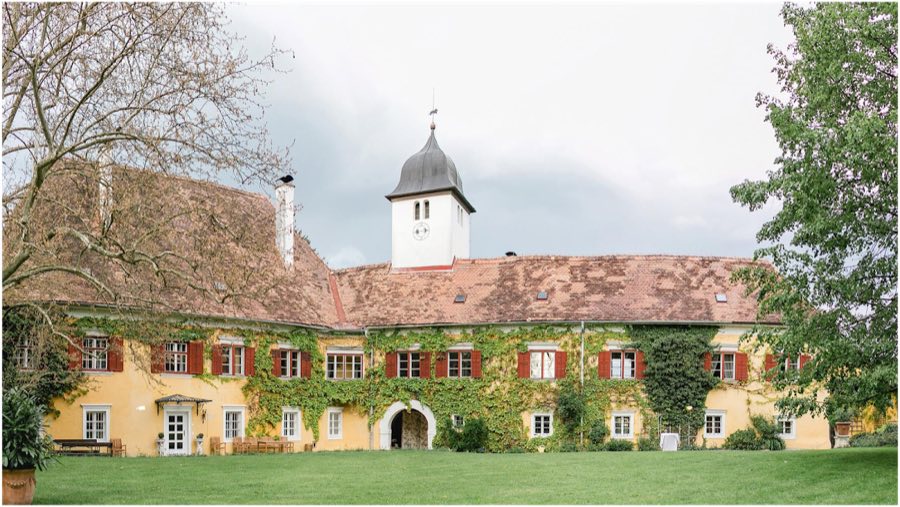
See all castles in AustriaSchloss St. Georgen an der Stiefing, located in Sankt Georgen an der Stiefing, Austria, is a medieval castle complex whose origins lie with the local high nobility of the 12th century and whose present appearance owes much to a 16th-century Renaissance rebuilding. The site developed around a church that served the castle community, and over the centuries it formed a central landed estate and local administrative centre, repeatedly altered by changing owners and by warfare.
Human activity in the area dates back to the Neolithic, showing long-term occupation before the castle appeared in written records. The complex first enters documentary records in 1147 when a local noble, Rupertus of St. Georgen, made a donation of vineyards. Count Luitold I of Plain, a member of the regional countly family, is regarded as the founder of both castle and church in this early medieval period.
After the counts of Plain died out in 1253, the property passed to the Bishop of Seckau and his successors, and the settlement included a mixture of large and small farms and artisanal households in the 13th century. In the late 15th century the castle became involved in wider conflicts. Troops serving the Hungarian king Matthias Corvinus occupied the site in 1480 and imperial forces under Emperor Frederick III retook it in 1481, during which the castle, church, and village suffered heavy damage. In 1532 Turkish armies under Suleiman II crossed into Styria and devastated the surrounding countryside, including St. Georgen.
A major transformation began on 10 September 1555 when Bishop Peter of Seckau sold the estate to the noble Andre von Glojach. He carried out extensive rebuilding that produced the Renaissance look still dominant today and added the external stone staircase in the castle courtyard. The Glojach family kept the property until the mid-18th century. In 1754 Joseph Egkh von Hungerspach and his wife Maria Anna acquired the castle and their heraldic shield was placed at the main entrance. The large ceremonial room known as the knight’s hall was remodeled in 1755 in late Baroque style.
In 1769 sculptures produced in the workshop of Veit Königer were set in and before the castle, including a representation of the Virgin and a group showing John of Nepomuk with attendant angels on the small rise before the entrance now known as John’s Hill, or Johannishügel. Ownership changed hands several times in the 19th century, beginning in 1816 with Franz Xaver Mihurko during a turbulent post-war period, and later passing to Anton Count von Attems in 1823 and Karl Binder von Kriegelstein from 1859. Because one wing had become unsafe, the oldest part of the building was taken down in 1876 and the cleared area was laid out as the so-called Bastei garden.
In the 20th century the castle passed through private hands. It was sold in 1917 to Hans Count Fink von Finkenstein and managed for a period by Elena Longinotto. The writer Paul Ernst bought the property in 1925 and was buried in 1933 on the Johannishügel; his wife Else was buried there in 1946. Karl Schmelzer‑Ziringer purchased the estate in 1975 and proposed a music school that did not come to fruition. Franz and Christine Reinisch acquired the castle in 1981, carried out renovation work and adapted the building as a residence, and from the 1990s began using parts of the property for a massage school established by the family and later continued by their descendants.
The castle complex stands closely linked with the parish church, which originally served as the castle chapel. Within the church crypt a carved portal fragment in Romanesque style survives, a stone piece that recalls the building’s early medieval phase and the original small-scale masonry and ornament that belonged to the foundation era. The fragment remains in place beneath the church and shows the carved stonework typical of early Romanesque entrances.
The present main body of the castle reflects a 16th-century rebuilding campaign that produced a Renaissance style across the ensemble. A prominent open stone staircase in the inner courtyard was built at that time and rises against the courtyard façade, giving direct access between yard level and the first-floor rooms. The staircase is executed in dressed stone and remains a defining structural element set within the courtyard space.
At the main entrance a carved coat of arms belonging to Joseph Egkh von Hungerspach and his wife Maria Anna marks the mid-18th-century ownership change. The knight’s hall, a large ceremonial room, received a late Baroque refitting in 1755 and retains its character from that remodeling. Sculptural decoration from 1769 made in the workshop of Veit Königer survives in two prominent locations: a statue of the Virgin Immaculate stands in the castle courtyard and a group depicting John of Nepomuk with angels occupies the small rise before the castle known as John’s Hill, or Johannishügel. Both works are carved figures placed as formal outdoor monuments.
Changes to the fabric include the removal of the oldest wing in 1876 to form the Bastei garden, an altered ground plan that opened a planted area where earlier masonry once stood. The inner courtyard continues to contain the external stone staircase and the courtyard statue, while John’s Hill serves as the site for the Nepomuk group and for later graves, including those of the writer Paul Ernst and his wife Else. The complex is protected under monument law and its principal stone elements, sculptural groups, and the Romanesque portal fragment remain visible at the site.
No. 42676
No. 55804
No. 21050
No. 45350
Comments
Comments for Schloss St. Georgen an der Stiefing will require a verified account before posting.
We'll send a verification link before your first comment is published.