No. 53234
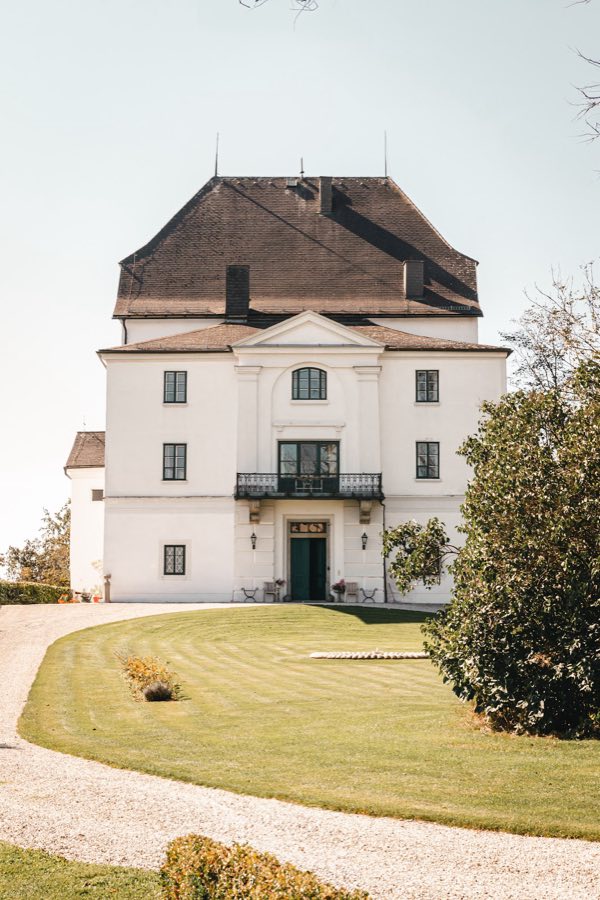
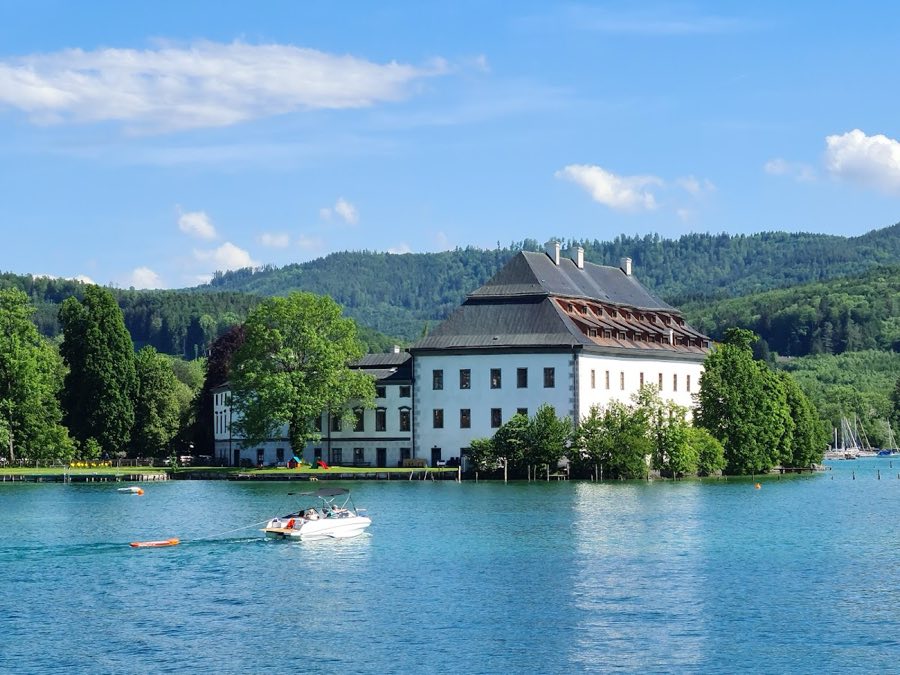
Schloss Wolfsegg
Austria
Manor houseRestored12th century
No. 88342
Castle · Austria
No. 88342 · 48.187 N, 13.640 E
Quick summary
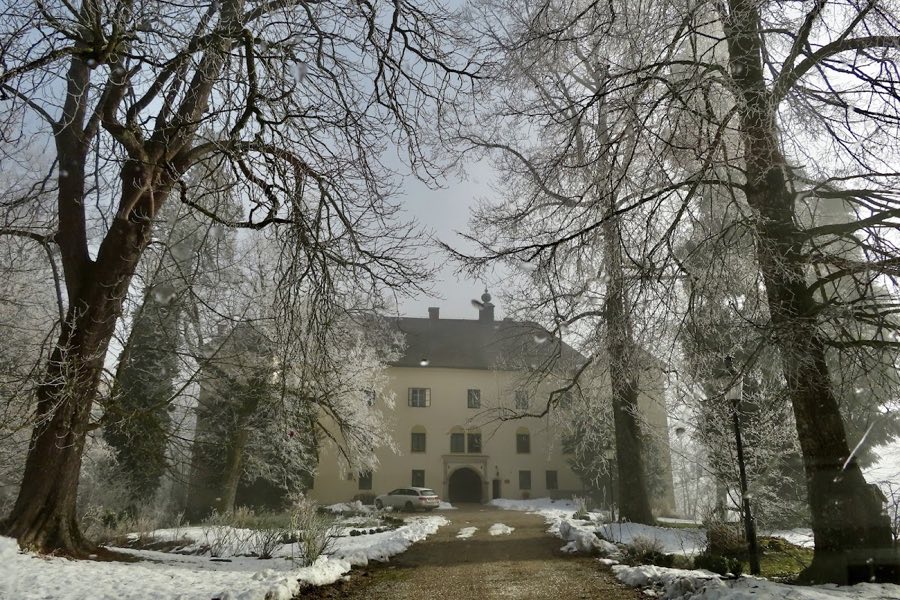
Schloss Starhemberg is a castle in Austria with origins associated with the 13th century.
See all castles in AustriaSchloss Starhemberg, Haag am Hausruck, Austria is a hilltop castle complex first established in the 13th century and later shaped into a Renaissance residence. Its initial stone fortification was erected before 1236 by Gundaker IV of Steyr, a ministerial serving King Ottokar I Přemysl of Bohemia, and the site became historically significant as a fief connected to the Bishopric of Passau and to several regional noble houses.
The earliest documentary traces place the site in the first half of the 13th century; a document of 11 November 1236 names a Gundakar de Storchenberch as a witness, and a separate record from 1246 mentions the castle directly. In a 13th‑century inventory of Passau holdings the place appears under the name Storchenberch, a form that later developed into Starhemberg. From its origins the estate sat within the web of feudal obligations that tied local ministerials and regional bishops to higher lords.
In the 14th century the castle became entangled in the great dynastic contest between Frederick the Fair and Louis of Bavaria. In 1322 Grams von Uttendorf, a field captain fighting for Louis, captured the stronghold. About a decade later Bavarian forces transferred control to Dukes Albert II and Otto IV. The Starhemberg family maintained claims to the Passau fief and continued at the ancestral seat until 1379, when Duke Albert III provided monetary compensation of 3,000 pounds of silver to resolve their interests.
During the 15th century the lordship was repeatedly administered through pledges and caretakers. In 1414 Reinprecht II of Walsee held the pledge, and later the Anhanger and Jörger families managed the estate in similar fashion. The Starhembergers regained the pledge twice more, in 1461 and 1491. In 1498 King Maximilian I sold the lordship and the district court to Christoph Jörger, who adapted the fortress-like complex into a more domestic residence, beginning the site’s shift toward a palatial rather than purely military character.
The early 17th century brought violent upheaval. Helmhard, Baron von Jörger, born at the castle, became one of the outlawed leaders of the 1620 Protestant aristocratic revolt; his estates were confiscated. Emperor Ferdinand II then placed Starhemberg first under the town of Wels and in 1627 conveyed it to the Bishopric of Passau, whose appointed caretakers administered the property. During the Upper Austrian Peasants’ War of 1626 insurgents under Achaz Willinger seized the castle, destroying the archive and plundering the armoury. A further uprising in the Innviertel in 1632 ended with the execution and quartering of six leaders, whose remains were exhibited publicly at nearby towns.
The castle again saw military use during the War of the Spanish Succession when Bavarian General Litzelburg besieged and occupied it. Following the secularization of the Bishopric of Passau in 1803 the estate passed to the Austrian state and was managed by the Court Chamber. On his way to the Battle of Austerlitz in 1805 Napoleon spent a night within the complex, and the building served as a French military hospital in 1809. From 1810 to 1816 the Haag district and the Innviertel belonged to Bavaria before returning to Austrian control.
The nineteenth century brought privatization and new ownership. In 1836 the Austrian state sold the lordship to Michael Fink of Braunau and Franz Seyrl of Ried; Seyrl became sole owner from 1847. During the First World War the Austrian army used the premises as a hospital from 1915 to 1916. Hugo Seyrl sold the property in 1916 to Hans Hatschek, who supervised broad repairs and alterations between 1923 and 1925 that considerably altered the complex’s external appearance. In the Second World War the building served as a transit camp for refugees. The Hatschek family remain the owners and residents today, and part of the north wing contains the Haager local museum.
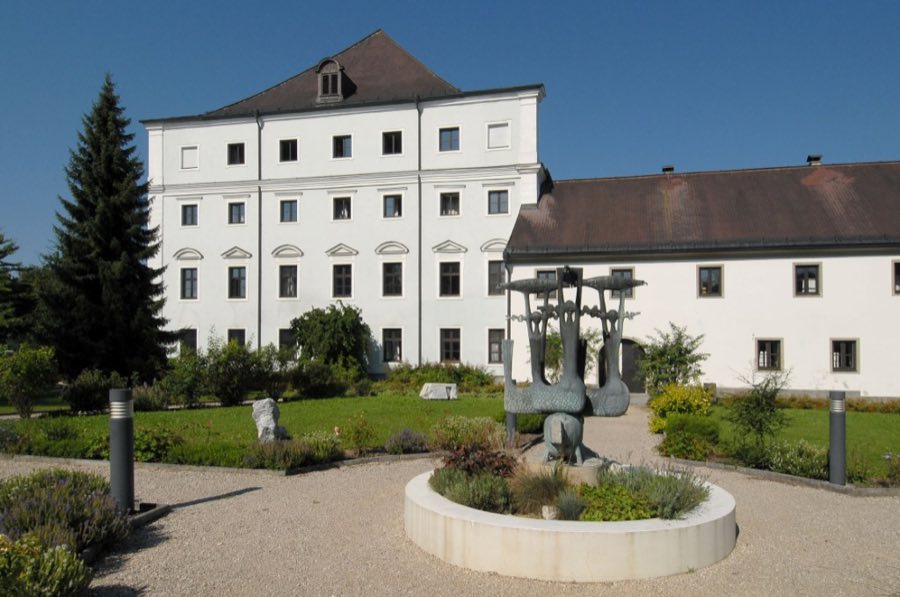
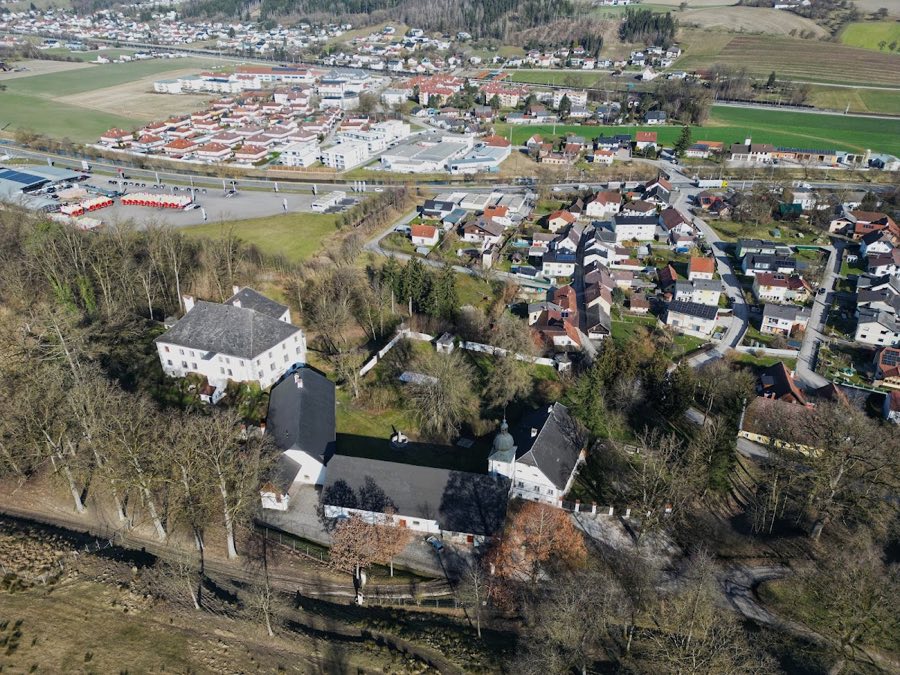
The ensemble occupies a wooded hill above the market town and presents as a long, elongated group of buildings largely shaped during the 16th century and later remodeled. The complex preserves the footprint of a medieval stone stronghold overlain by later construction, so that the present massing reflects Renaissance-era and 20th‑century interventions rather than the original fortress silhouette. The principal building materials are stone for the older defensive cores and later masonry adapted during the Renaissance transformations and twentieth‑century restorations.
Entry is marked by a Renaissance gateway accompanied by a narrow pedestrian wicket. The gatehouse retains the rectangular openings that once housed the rollers for a drawbridge, a clear trace of the site’s former defensive fittings; the surrounding moat and bridge ceased to function long ago. Towers stand at the gate complex; during the 1923–25 rebuilding the main tower was raised in height while the smaller towers beside the gate were shortened, altering the castle’s skyline.
One side of the inner courtyard is lined with three-storey arcades, their lower two rows of arches closed off in the nineteenth century. The courtyard’s front portion features a Nepomuk fountain, a decorative focus within the enclosed space. At the far end of the courtyard the chapel is a twentieth‑century construction completed during the 1923–25 restoration campaign, and interior rooms show a mixture of historic ceiling types.
In the older southern wing several chambers are roofed with groin‑barrel vaults, a vaulted ceiling formed by the intersection of barrel vaults, while other rooms retain exposed timber beam ceilings. The north wing contains the former brewhouse, repurposed to display local historical material as the Haager Heimatstuben. Overall the complex is reported to be in excellent preservation and continues in residential and institutional use, reflecting layers of medieval fortification, Renaissance remodelling, and twentieth‑century conservation.
No. 53234
No. 99671
No. 18720
No. 86456
Comments
Comments for Schloss Starhemberg will require a verified account before posting.
We'll send a verification link before your first comment is published.