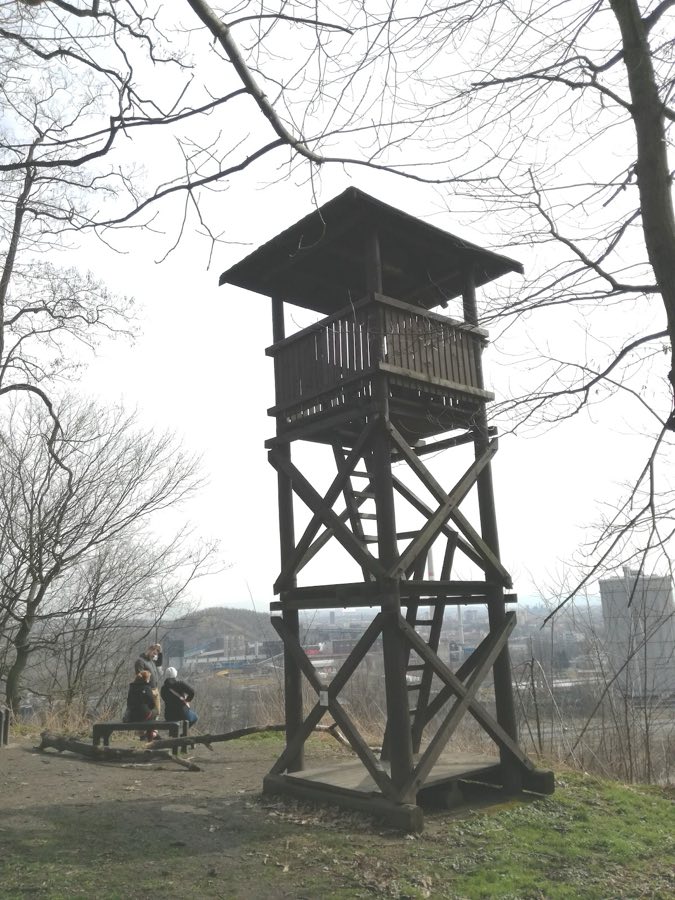
No. 45787
Landek Castle
Czechia
CastleRuin13th century
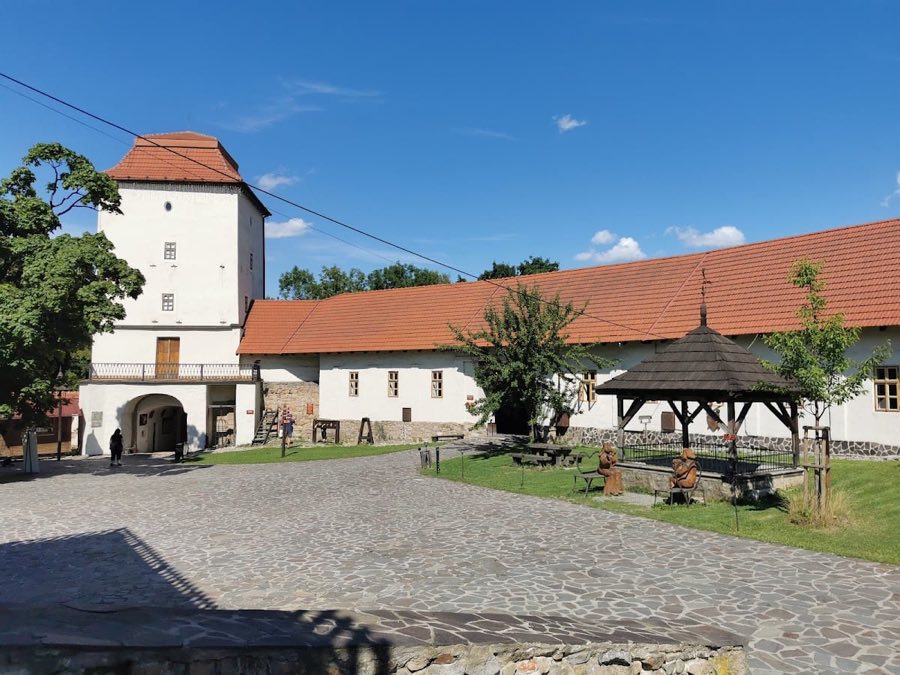
No. 80185
Castle · Czechia
No. 80185 · 49.831 N, 18.300 E
For rent
Silesian Ostrava Castle is marked for bookable castle accommodation. Nightly pricing, sleeps count, stay rules, and amenities are displayed only when public operator data is available.
Rental type: Hotel / bookable stay, Short-stay rental
Short-term availability: Bookable accommodation signal
For events
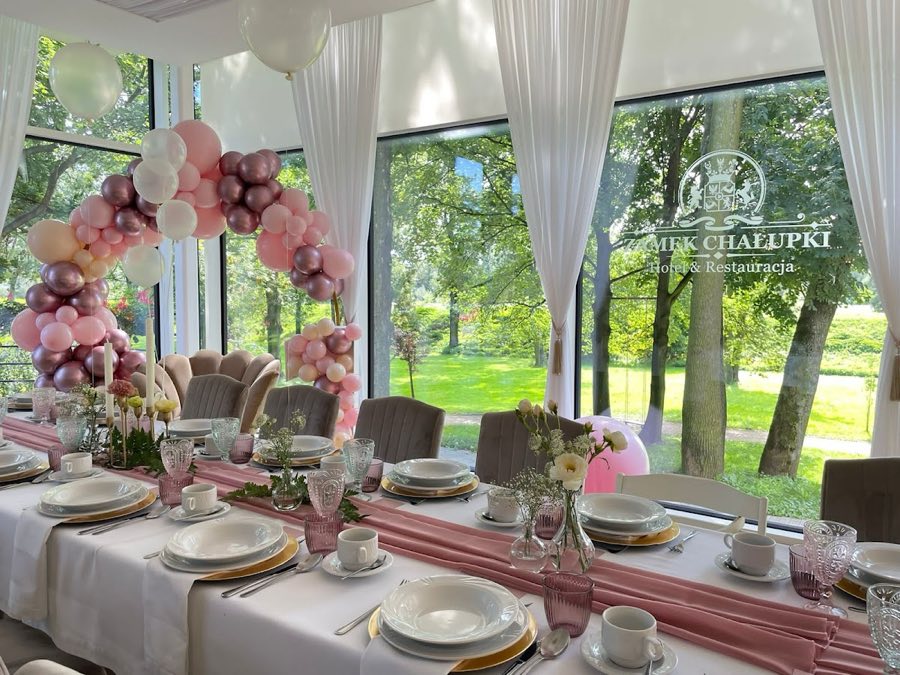
Silesian Ostrava Castle is marked as a château or castle venue lead. Capacity, indoor/outdoor spaces, catering rules, and accommodation options are published only after public verification.
Event types: Private events, Cultural gatherings, Filming and photography
Accommodation: Accommodation signal present
Quick summary
Silesian Ostrava Castle is a castle in Czechia with origins associated with the 13th century.
See all castles in CzechiaSilesian Ostrava Castle stands in the municipality of Slezská Ostrava in the modern Czech Republic. It was established by the Silesian Piast dukes of the Opole line during the latter half of the 13th century, serving as a fortified center to guard a significant trade route connecting Opava, Cieszyn, and Kraków as well as acting as a border fortress between the historic regions of Silesia and Moravia, with the Ostravice River marking this boundary. The castle’s earliest written record dates to 1297.
The castle’s role as a border fortress ended in 1327 when the Duchy of Cieszyn became a fiefdom under the King of Bohemia. By 1380, Duke Przemysław I Noszak exchanged the castle for a hereditary mayoralty in Cieszyn, shifting the site’s function from defense to a noble residence. During the Hussite Wars, fought from 1419 to 1439, the castle was controlled by the Hussite Orphans army, with Jan Čapek of Sán among its commanders and owners. This period marked military and political upheaval affecting the castle’s control and status.
In 1508, ownership of the castle passed to Jan Sedlnický of Choltice, who embarked on a Renaissance transformation between 1534 and 1548. This renovation introduced a new main gate with its accompanying tower, a chapel, a knights’ hall, and a bastion, reflecting the Renaissance style of the time. The interiors were enhanced with artwork by Bernard of Polish Ostrava, giving the castle cultural as well as military and residential significance.
Silesian Ostrava Castle endured a turbulent 17th century during the Thirty Years’ War. It was plundered repeatedly: by Neapolitan troops in 1621, Danish forces in 1626, and the army of Albrecht von Wallenstein in 1628. In 1637, Archduchess Cecilia Renata stayed there on her way to marry King Władysław of Poland. Swedish forces occupied the castle and town between 1642 and 1649, followed by Prussian soldiers during the Silesian Wars in the 18th century.
The Wilczek family acquired the castle in 1714 and maintained ownership until its confiscation by the Czechoslovak state in 1945. The castle initially served as an administrative center but had largely fallen into disuse by the early 19th century, with only a few rooms still occupied. A fire in 1872 caused notable damage but was repaired. Nevertheless, intensive coal mining beneath the site later led to its destabilization and sinking by up to 16 meters, resulting in widespread structural harm and gradual abandonment. By the 1930s, just three rooms were inhabitable.
Troubles escalated with illegal demolition in 1933 causing a fatal accident and further damage sustained during bombing in World War II in 1944. The castle, once threatened with demolition after the war, was declared a cultural monument in 1963. Despite this, part of the castle, including the last remaining Gothic bastion, was demolished in 1965 due to its deteriorated state. Conservation efforts then proceeded slowly and irregularly in the decades that followed, with changing plans for redevelopment and temporary removals and reinstatements from the cultural heritage register around 1989–1990.
In 1992, a private company purchased the castle with ambitions to transform it into a luxury hotel and cultural center; however, this project did not come to fruition. The city of Ostrava eventually acquired the castle in 2001 and began extensive restoration work. This culminated with the reopening of the tower with a new roof in 2003 and the official reopening of the castle in 2004, repurposing the site for cultural events and private gatherings.
Historically, the castle hosted significant regional assemblies, such as the 1590 meeting which confirmed Czech as the official language of the Duchy of Cieszyn. It also received royal visitors, including Archduchess Elizabeth of Austria, future Queen of Poland, who passed through in 1543 as a guest of Jan Sedlnický.
The layout of Silesian Ostrava Castle reflects its evolution from a medieval fortified settlement to a Renaissance noble residence. Initially, the castle was composed of a two-story central building and a gate tower, all enclosed by a stone defensive wall approximately four meters high and two and a half meters thick, which replaced earlier earthen fortifications. This strong wall defined the perimeter and offered protection typical of 13th and 14th-century construction.
The Renaissance modifications carried out between 1534 and 1548 introduced a new main gate topped by a distinctive tower, which remains the most prominent surviving structure today. This gate tower now stands as the tallest building in the complex and contains a modest hall and a gallery on its ground floor. Other Renaissance additions included a chapel and a knights’ hall, although the latter was demolished in the 19th century. A new bastion was also constructed during this period, reflecting changes in defensive architecture; however, the last Gothic bastion was removed in 1965 due to its poor condition.
Within the castle courtyard lies a citadel and a well equipped with a fountain, features underscoring both the castle’s defensive purposes and its role as a noble residence. The citadel’s cellar has a local legend of a “haunted cellar,” which today also houses large freshwater aquariums, blending historical fascination with contemporary usage. The well and its fountain would have been vital for water supply during sieges and daily life.
The castle’s structural integrity was severely compromised by coal mining activities beneath the site during the late 19th century. This caused the entire structure to sink between eight and sixteen meters, leading to cracked walls and significant damage to its masonry. As a result, many parts of the castle fell into ruin, with only a handful of rooms remaining in use by the early 20th century. Historical records from 1921 detail a large complex of 34 rooms, along with kitchens, storage areas, and offices, although by the 1930s this was greatly diminished.
Conservation efforts in the late 20th and early 21st centuries have focused on stabilizing the surviving structures, reconstructing sections of walls, and preserving the gate tower. Although some walls remain in ruin, careful restoration has made the most significant areas accessible. Inside the tower, a small exhibition now provides visitors with information on the castle’s history, the city of Ostrava, the Hussite movement, and the Thirty Years’ War. The upper level offers panoramic views of the surrounding area.
Access to the castle is possible on foot via the Union footbridge from Černá louka. Plans for expansion included constructing a northern wing beginning in 2009, aiming to enhance the site’s facilities while respecting its historical fabric. Overall, the surviving remains of Silesian Ostrava Castle offer a layered narrative combining medieval defense, Renaissance residence, and modern preservation challenges.
No. 45787
No. 58453
No. 65095
No. 45824
Comments
Comments for Silesian Ostrava Castle will require a verified account before posting.
We'll send a verification link before your first comment is published.