No. 45787
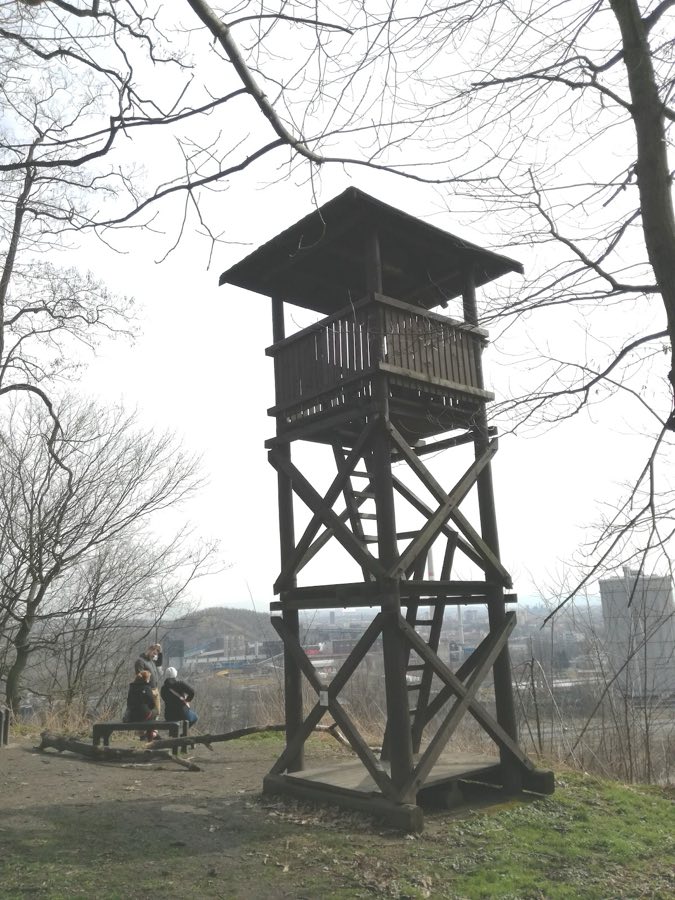
Landek Castle
Czechia
CastleRuin13th century
No. 58453
Castle · Poland
No. 58453 · 49.921 N, 18.324 E
For rent
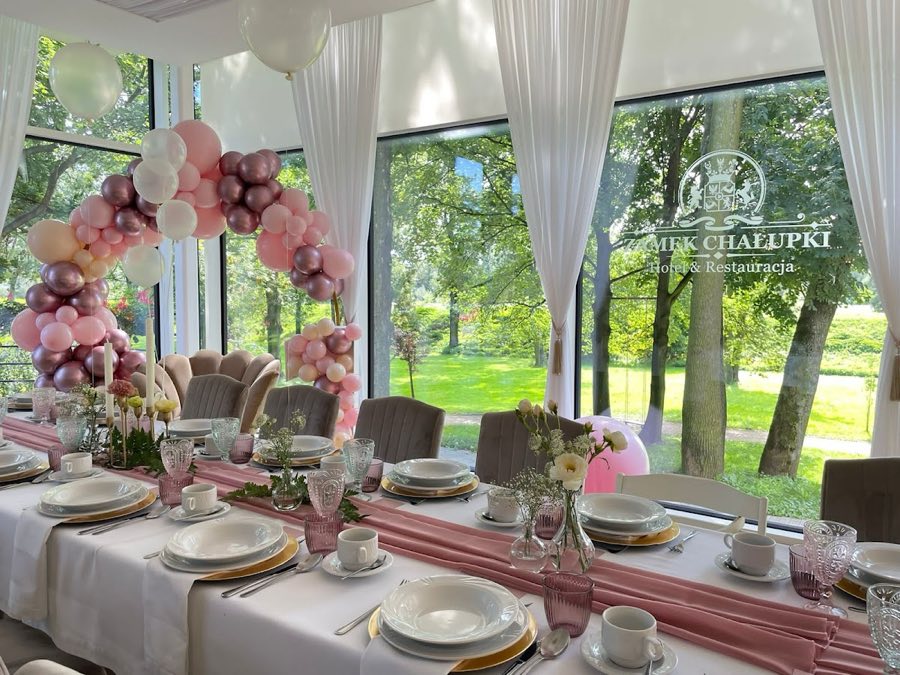
Chałupki Palace is marked for bookable castle accommodation. Nightly pricing, sleeps count, stay rules, and amenities are displayed only when public operator data is available.
Rental type: Hotel / bookable stay, Short-stay rental
Short-term availability: Bookable accommodation signal
Quick summary
Chałupki Palace is a castle in Poland with origins associated with the 13th century.
See all castles in PolandThe Palace in Chałupki, Chałupki, Poland, is a Baroque palace set on the site of medieval fortifications established by knights under the Opole–Racibórz ducal authority, with origins reaching back to the 13th century. The place began as wooden defenses guarding a crossing of the Oder River and later evolved into a fortified settlement and noble residence, making it an important local point of control on the ducal frontier.
Medieval beginnings centered on a river stronghold. By the 1200s wooden fortifications stood where the palace now stands, and the settlement was once called Barutswerde, a name linked to a knight, Henry of Baruth, who may have founded the site around 1247. The fortress and the nearby town of Bogumin fell under the rule of the Opole–Racibórz princes and were held as fiefs by local knights. On 6 January 1373 Duke Jan I of Racibórz granted the castle, the town of Bogumin, and half the village of Zabełków to the knight Pasko. In 1422 Duke Jan II, called “the Iron,” sold the place to the knight Bielik of Kornice.
In 1523 Margrave George Hohenzollern of Bytom purchased the castle and rebuilt its defenses in response to fears of Ottoman advance, and during this phase bastion (projecting gun platform) fortifications were probably added. An early 17th‑century household inventory lists numerous economic outbuildings clustered around the castle. After the Thirty Years’ War the Hohenzollern family lost its Upper Silesian holdings, and in 1623 the Habsburg authorities pawned Bogumin to the Henckel von Donnersmarck family, which took over the estate.
The Donnersmarck family established a landscaped park and, around 1682, Eliasz Andreas Donnersmarck transformed the border castle into a Baroque palace while retaining elements of the older stronghold. Political change following the Silesian Wars brought a further division: in 1742 the palace passed to Prussian control while the town of Bogumin remained under Habsburg rule. Ownership then passed through several hands in the 19th and early 20th centuries. From 1803 the property belonged to the Lichnowski family, and in 1846 Salomon von Rothschild purchased it. The Rothschild family retained ownership until 1936, when authorities transferred the estate to the widow of a general, Baroness von Kirchen und Pancken.
After 1945 the palace became state property of Poland and stood empty for a long period. Repairs began in the late 1970s under the Voivodeship Tourist Enterprise from Katowice, and a hotel opened on the premises in 1983. In 1993 the gmina Krzyżanowice assumed ownership and in 1994 the palace was leased to a private individual. The site is entered in the register of immovable monuments of the Silesian Voivodeship.
The complex occupies a rectangular footprint sited roughly 300 metres from the border bridge over the Oder River. The standing structure is a Baroque residence arranged on a rectangular plan and covered by a mansard roof (a double‑sloped roof), and it incorporates surviving parts of the earlier fortified site. A tower rises at the northwest corner of the rectangle and is a visible vertical element of the composition.
The medieval and early modern defensive features include a former castle that was surrounded by a moat. After the 1523 rebuilding the defensive circuit probably included bastion (projecting gun platform) fortifications added to strengthen artillery defense. Elements of the earlier stronghold remain integrated into the later palace fabric, showing continuity between fortress and residence.
Surrounding the palace, the park laid out by the Donnersmarck family survives and contains a recorded range of 26 species of trees and shrubs. Close to the main building, an early 17th‑century inventory describes numerous economic outbuildings that once serviced the estate, indicating a substantial service zone around the residence; those outbuildings formed part of the castle’s supporting complex.
Architectural and decorative features visible on the building include the Rothschild family coat of arms set above the principal entrance, reflecting the 19th‑century ownership. The palace building continues in use as a hotel, restaurant, and reception house; it underwent a significant reconstruction in 1907 and later restorative work beginning in the late 1970s that prepared it for its current functions.
No. 45787
No. 80185
No. 53690
No. 45824
Comments
Comments for Chałupki Palace will require a verified account before posting.
We'll send a verification link before your first comment is published.