No. 65818
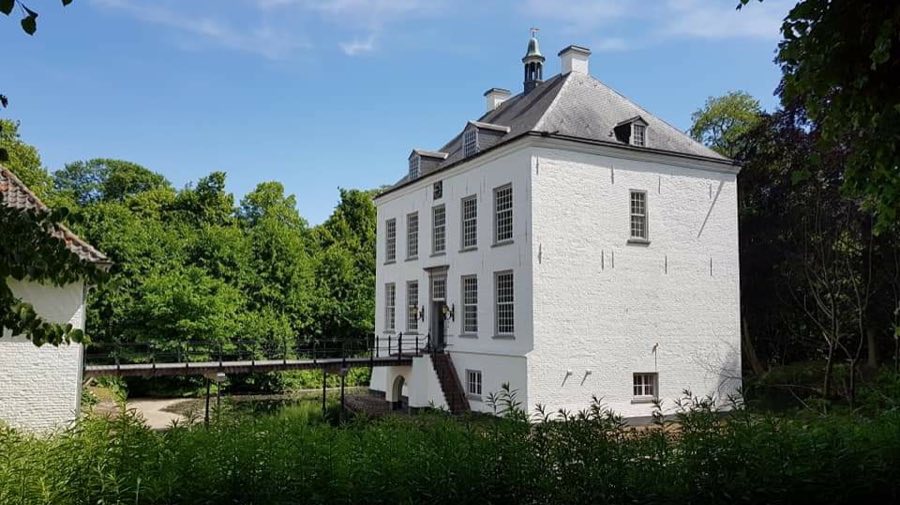
Kasteel Maurick
Netherlands
CastleRestoredFor rent15th century
No. 54092
Castle · Netherlands
No. 54092 · 51.583 N, 5.324 E
For events
Stapelen Castle is marked as a château or castle venue lead. Capacity, indoor/outdoor spaces, catering rules, and accommodation options are published only after public verification.
Event types: Private events, Cultural gatherings, Filming and photography
Quick summary
Stapelen Castle is a castle in Netherlands with origins associated with the 13th century.
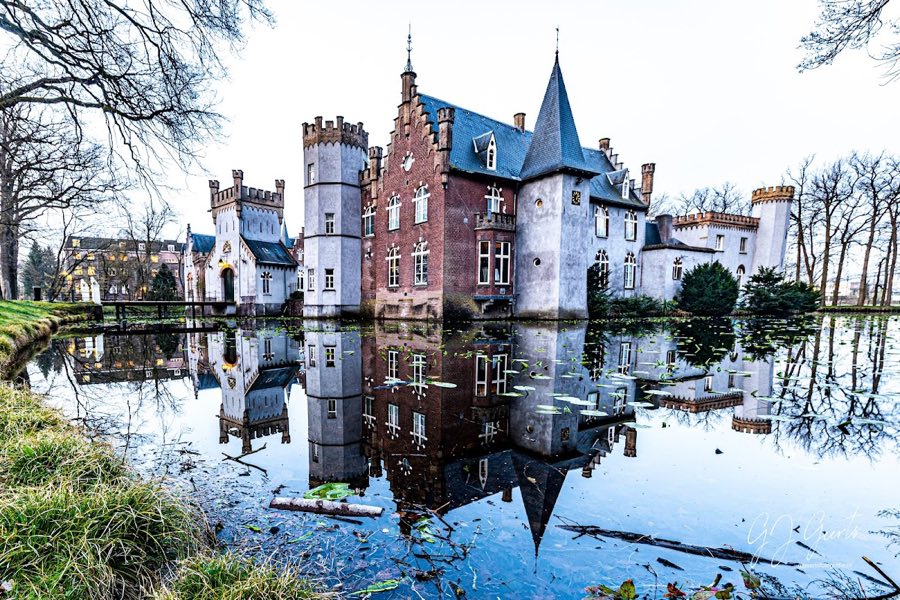
See all castles in NetherlandsStapelen Castle in Boxtel, Netherlands, is a medieval moated castle built around the 13th century by a member of the Randerode family. It began as the fortified center of the manor (heerlijkheid) of Boxtel and belonged to the network of feudal holdings in the Low Countries; the site first appears in surviving documents in 1293. The castle’s long life and changing functions link it to regional noble families, to military events of the Dutch Republic, and later to a major religious community, giving it a continuous place in local history.
The earliest phase belongs to local medieval nobility. In the early 1200s Willem I van Boxtel, of the Randerode line, held the estate and was knighted by the Duke of Brabant. The manor owed feudal ties to the County of Loon. Over the late medieval and early modern centuries the castle passed through the Van Merheim and Van Ranst families and in the 1500s entered the Van Horne house, which retained it until 1763.
After 1763 the property passed to the Van Salm-Kyrburg family. During the upheavals of the French Revolution, a movement that overthrew the ancien régime in France and reshaped much of Europe’s political order, Frederick III of Salm-Kyrburg was executed by guillotine in Paris in 1794 and the estate was declared forfeited. By 1810 observers described the building as large but old-fashioned. The castle changed hands after the Napoleonic era and in 1815 was acquired by Hendrik Mahie, a municipal councillor from ’s-Hertogenbosch.
Mahie had the castle rebuilt in the nineteenth century in a neo-Gothic, ‘castle-like’ manner. Contemporary critics objected to the renovation because it adopted an English Gothic approach that differed from traditional Dutch practice. After Mahie’s death his widow insisted the property become a monastery before she left. Advertisements led the Assumptionist Fathers to occupy Stapelen around 1915. The Assumptionists made the castle their headquarters in the Netherlands and used it as a monastery for 104 years, establishing a minor seminary on the grounds.
To house more students the order built a large Apostolic School, Saint Theresia, in the castle garden in 1927. That building later lost its role as a minor seminary around 1970 and today functions as an apartment building. In 1968 restoration work uncovered older foundations in areas altered in the twentieth century, confirming that the complex had once included more buildings and a larger courtyard. During the Rampjaar, the ‘disaster year’ of 1672 when the Dutch Republic was attacked by several foreign powers, the French king Louis XIV stayed at the castle for several days. With the permission of the Bishop of ’s-Hertogenbosch the Assumptionist fathers later removed the castle’s Saint George chapel from liturgical use, and the fathers agreed that the cemetery in the castle park would remain available for at least fifty more years. The Assumptionists sold Stapelen Castle on 1 September 2018 to a private owner, Eindhoven property manager Xander van Mierlo, and the building is now privately held.
Local tradition links the castle to a late medieval miracle story. Shortly before 1400 a priest named Eligius is said to have spilled consecrated wine on an altar cloth; the stain would not come out, and after being shown to the faithful it became the origin of Boxtel’s annual Holy Blood procession, held on the first Sunday after Pentecost.
The castle stands within a water-filled ditch, making it a moated complex whose plan retains an older southern core and a north side largely remade in the nineteenth century. The southern portion preserves structures and fabric that span the later Middle Ages and the early modern era, while the north wing reflects the extensive nineteenth-century neo-Gothic rebuilding that altered the castle’s outward appearance.
A principal interior space is the knights’ hall, which preserves a roof structure dating to the 1300s and a barrel-vaulted ceiling. The southern wing incorporates stone walls constructed in the 1500s; these masonry sections show continuity of use and were integrated into later repairs and changes. An octagonal tower on the east side survives from the Middle Ages, and two western towers attached to the main block also date to medieval building phases. The south-side chapel retains an altarpiece made about 1600 that bears the Van Horne family arms, and the chapel sits within the medieval plan even though it later ceased to be used for regular liturgy.
The north side of the complex underwent almost complete renewal during the nineteenth century; much of its present form, ornament, and structural layout date to that rebuilding. Excavations carried out during restoration in 1968 exposed the foundations of earlier stable buildings at the west wall, in the spot where automobile garages had been erected in 1957. Those digs also uncovered traces of additional buildings that once stood in front of the present south wing, showing that the courtyard once extended beyond the present footprint. The south wing rests on a sandbank while the north side sits on higher, raised ground, which makes it possible that in its earliest phase the southern range stood directly at the edge of the Dommel River. In the castle garden the large 1927 Apostolic School building survives and is now occupied as an apartment block. The castle grounds include a cemetery in the park, which has been maintained for continued use under agreements made with the religious community that occupied the site.
No. 65818
No. 25632
No. 48762
No. 93065
Comments
Comments for Stapelen Castle will require a verified account before posting.
We'll send a verification link before your first comment is published.