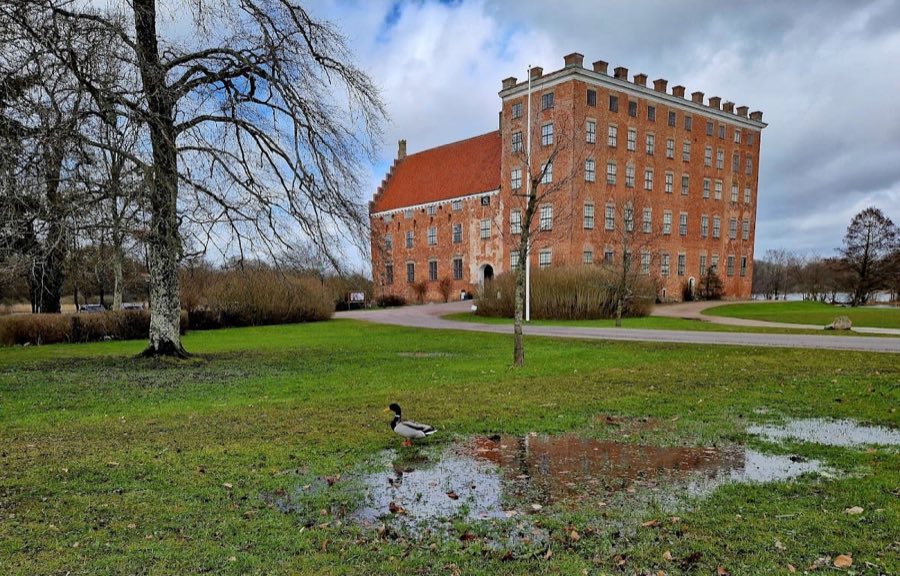
No. 63703
Svaneholm Castle
Sweden
CastleIntactFor events16th century
No. 75351
No. 75351 · 55.565 N, 13.209 E
Quick summary
Torup Castle is a castle in Sweden with origins associated with the 5th century.
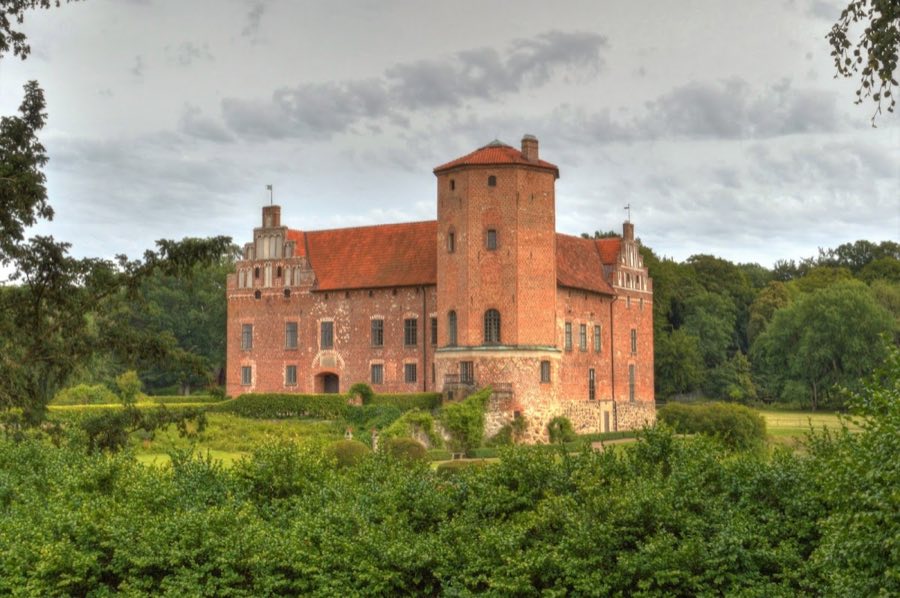
See all castles in SwedenTorup Castle stands in Bara municipality, Sweden, and the standing residence was built in 1537 by the noblewoman Görvel Fadersdotter (Sparre).
The castle was erected in 1537 for Görvel Fadersdotter’s son, though Görvel retained ownership after her son died. During the mid 1500s the complex was enlarged under Görvel’s third husband, the Danish noble Lave Brahe, and the estate passed by inheritance into the Danish noble family Grubbe. In the years when King Christian IV visited the site frequently the manor belonged to Sigvard Grubbe. After Görvel’s death in 1605 her properties passed to the Danish crown and to King Christian IV.
Under Christian IV soldiers undertook extensive water works around the castle, and those interventions continued in phases for more than a century. Workers deepened lakes, cut canals, built dams and strengthened shores in the area around the house; these alterations culminated in the final draining of the surrounding lake in 1775.
In 1647 Corfitz Ulfeldt bought the estate. The property was taken into Swedish crown hands in 1660 and later returned in 1735 to Ulfeldt’s grandson, J. Beck. On 21 May 1775 a fatal boating accident occurred on the lake close to the house in which Cornet Fredrik Trolle, his aunt Fredrika Harmens and the sisters Brita Sofia Trolle and Elisabet Augusta Trolle drowned.
A rural uprising reached Torup in 1811 when a crowd reported at roughly one thousand on one count and between 1,000 and 1,500 on another gathered in protest; estate buildings suffered partial damage before the disturbance was suppressed. In 1812 Court Marshal Gustaf Julius Coyet purchased the partly ruined house and set about restoration. The Coyet family retained ownership through the 19th and early 20th centuries, with Gösta Coyet associated with the estate until 1924 and Henriette Coyet until 1941. Ownership passed by marriage into the von Leithner family and the property was sold to Malmö municipality in 1970, the heirs keeping a legal right to live on the estate until 2035; those heirs lived on the property until 2012 and then gave up that right earlier than planned.
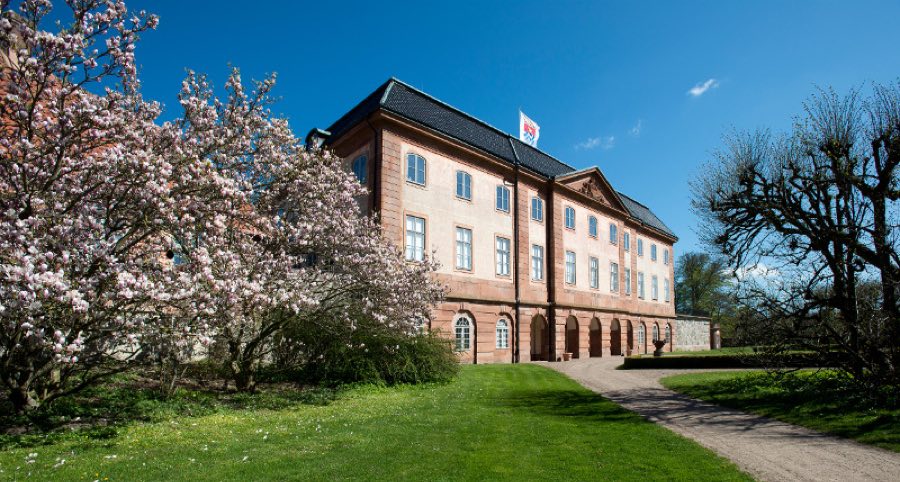
The present building forms a compact square of four connected residential wings that encircle a small inner courtyard. The lower work rests on very large boulders, while the upper walls are built of red brick. Roofs on the wings and towers are covered with tiles. Descriptions of the house note it as a two-storey building in one account and as a three‑storey brick residence in other accounts, reflecting variation in how the elevations have been recorded.
A high octagonal tower projects from the northwest corner and a smaller round tower marks the southeast corner; the main entrance faces north. Some façades end in stepped, stair-like gables. The castle was formerly ringed by water-filled moats pierced by a drawbridge, and an outer defensive platform lay before the bridge. The northern portion of that moat has been filled in, and the wider water landscape around the complex was altered repeatedly until the adjacent lake was drained in 1775.
The grounds around the house form an extensive beech forest and park that have been measured variously. One description gives the wooded area as 365 hectares, while another records a 340-hectare recreational area of which 180 hectares have been part of a nature reserve since 2019. Within the landscape an alley led from the former outer platform to the main complex, with a fountain set to the east of that line. An 18th-century barn on the estate has been adapted to serve as a gathering facility.
The castle compound was restored in the early 1800s after the damage of 1811 and has been maintained since. The standing fabric is regarded as a well-preserved example of a 16th-century residence in the region, with structural repairs and later landscape modifications recorded in the site’s physical record.
No. 63703
No. 18914
No. 25791
No. 14433
Comments
Comments for Torup Castle will require a verified account before posting.
We'll send a verification link before your first comment is published.