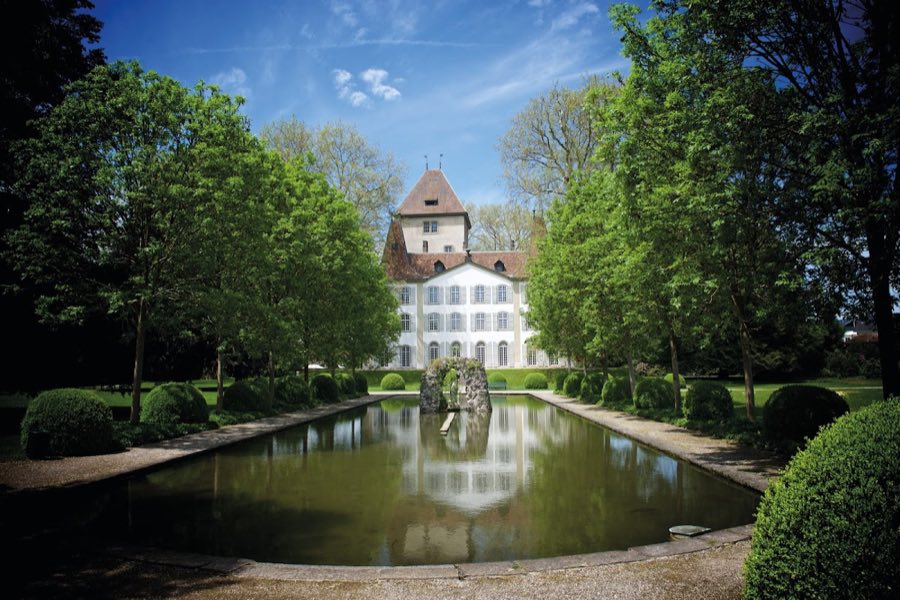
No. 82186
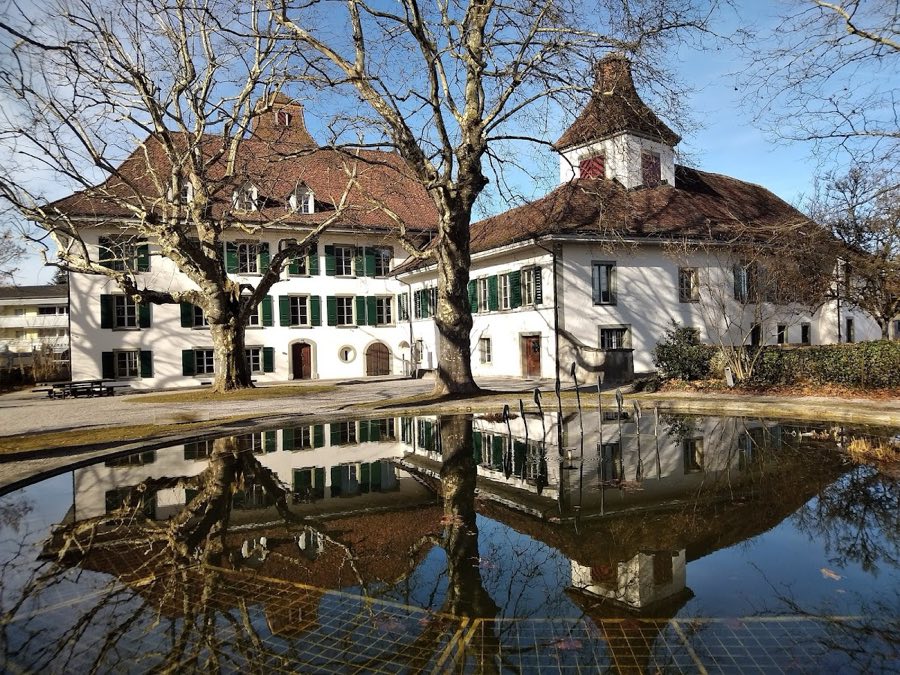
Jegenstorf Château
Switzerland
ChâteauRestored20th century
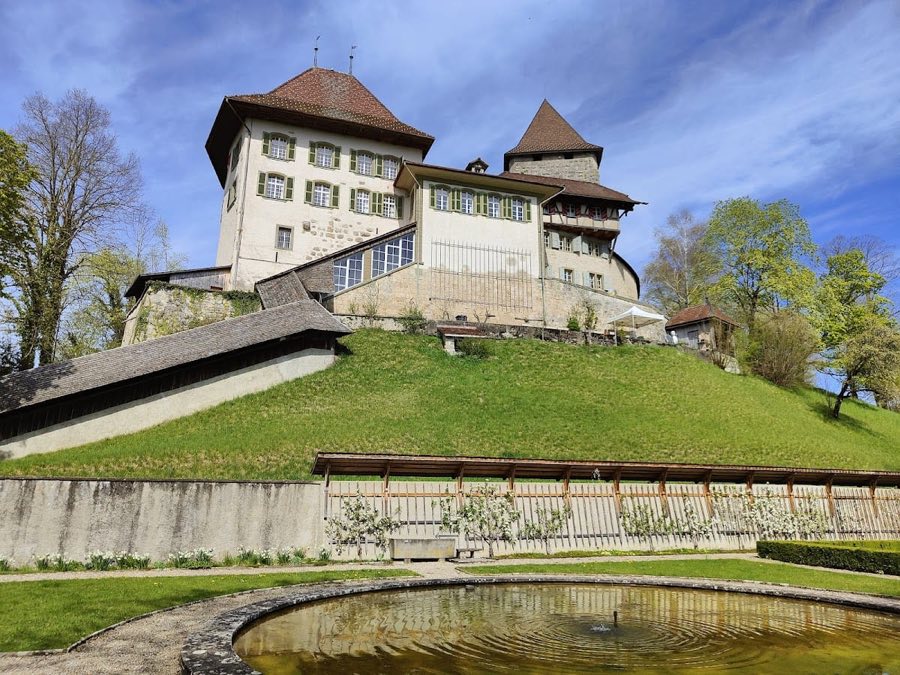
No. 96353
Castle · Switzerland
No. 96353 · 47.018 N, 7.742 E
Quick summary
Trachselwald Castle is a castle in Switzerland with origins associated with the 12th century.
See all castles in SwitzerlandTrachselwald Castle stands in the municipality of Trachselwald in Switzerland and was originally established by the medieval European civilization in the early Middle Ages. Its earliest mention, including the castle’s name and associated lordship, dates to the year 1131, although the fortress likely originated in the 11th or 12th century, with some evidence suggesting roots possibly reaching back to the 10th century.
During its early history, the castle belonged to a succession of baronial families. Initially, it was held by the barons of Trachselwald, after whom it was named, before passing to the barons of Rüti bei Lyssach and subsequently to the barons of Sumiswald. A significant shift occurred in 1383 amid the Burgdorf War, when Burkhard von Sumiswald surrendered the fortress to forces from Bern. This transfer marked a change in control that culminated in 1408, when the city and republic of Bern purchased Trachselwald Castle and its lands, establishing Bern’s first presence in the Emmental area beyond the town of Burgdorf.
The castle’s role expanded in the early 16th century. Following the dissolution of the nearby Trub monastery in 1528, many of its former properties were assigned to the castle’s bailiff, further consolidating administrative control. During the Swiss Peasant War in the mid-1500s, additional fortifications were added to the castle in response to rising conflicts. Notably, the peasant uprising leader Niklaus Leuenberger was incarcerated within Trachselwald Castle after his capture in June 1653. He was later moved to Bern, where he was executed. In 1798, the castle experienced local unrest associated with the French invasion of Switzerland, during which it was looted.
In the 19th century, the castle took on an educational role. From 1835 to 1876, its estate housed a school dedicated to supporting underprivileged children, an institution founded by the writer Albert Bitzius. This function shifted in 1892, when the site became a cantonal compulsory education center for youth, a role it retained until 1928. Among its students during this period were the folklorist Emanuel Friedli and writer Carl Albert Loosli, both of whom later gained recognition for their cultural contributions. Subsequently, Trachselwald Castle served as the administrative seat of the governor for the local district until administrative restructuring in 2009 rendered the offices obsolete.
Trachselwald Castle also has a notable history as a place of confinement for Mennonite prisoners who faced persecution due to their faith. This chapter of the castle’s past has been remembered and documented through a dedicated exhibit opened in 2021, which recounts the oppression experienced by this religious community within its walls.
The layout of Trachselwald Castle is centered around a square keep measuring approximately 10 meters on each side, with notably thick walls reaching up to 2.7 meters. The main structural elements, including the keep and surrounding outer walls, were built using tuff stone, a volcanic rock shaped into roughly square blocks. This building method points to an initial construction period before the year 1200. Tree-ring dating of timber within the castle confirms the presence of wooden beams that were installed between 1251 and 1253, indicating ongoing development during the 13th century. Alongside the keep, part of the castle’s main building was erected during this early phase, laying the foundation for the complex.
Surrounding the original tower was likely an elliptical ring wall, a defensive enclosure that still exists today and plays a defining role in the castle’s overall form. This wall encloses a space that remains remarkably well preserved, making Trachselwald one of Switzerland’s most intact medieval castles. The wall’s shape is a distinct feature that, along with the castle’s buildings, creates a striking silhouette visible from the Grüene valley nearby.
In the 14th century, the keep was substantially altered. Originally two stories tall, it was raised to twice its former height, enhancing its defensive and residential capacity. Later additions in the 16th or 17th century introduced a palas (a grand residential building), a dungeon, and other constructions executed in a Romanesque style, which is recognized here by larger window openings and walls that were thinner than the original keep. A stair tower was constructed in 1641, notable for its Baroque upper chamber topped with a pointed “helmet” roof, believed to have been built by a master craftsman from Prismell. A granary was added to the castle complex in 1683, supporting its logistical functions.
Renovations in the 17th and 18th centuries further shaped the palas, giving it the form seen today. In 1751, enhancements included the construction of a new gatehouse with decorative elements and the laying out of a French-style garden nearby, adding to the castle’s grandeur. Inside the castle, several prison cells known colloquially as “murderers’ boxes” survive, including one that once held Niklaus Leuenberger. These spaces offer a window into the castle’s punitive history. The interior also contains furnishings dating from the 17th and 18th centuries, which contribute to understanding the castle’s domestic environment during that period.
Both the main tower and palas are topped by high-hipped roofs, architectural features that, combined with the encompassing elliptical ring wall, provide Trachselwald Castle with the distinctive medieval profile it presents in the landscape. These elements together maintain the castle’s strong visual and historical presence in the side valley of the Emme River where it stands.
No. 82186
No. 80345
No. 33558
No. 36387
Comments
Comments for Trachselwald Castle will require a verified account before posting.
We'll send a verification link before your first comment is published.