No. 10169
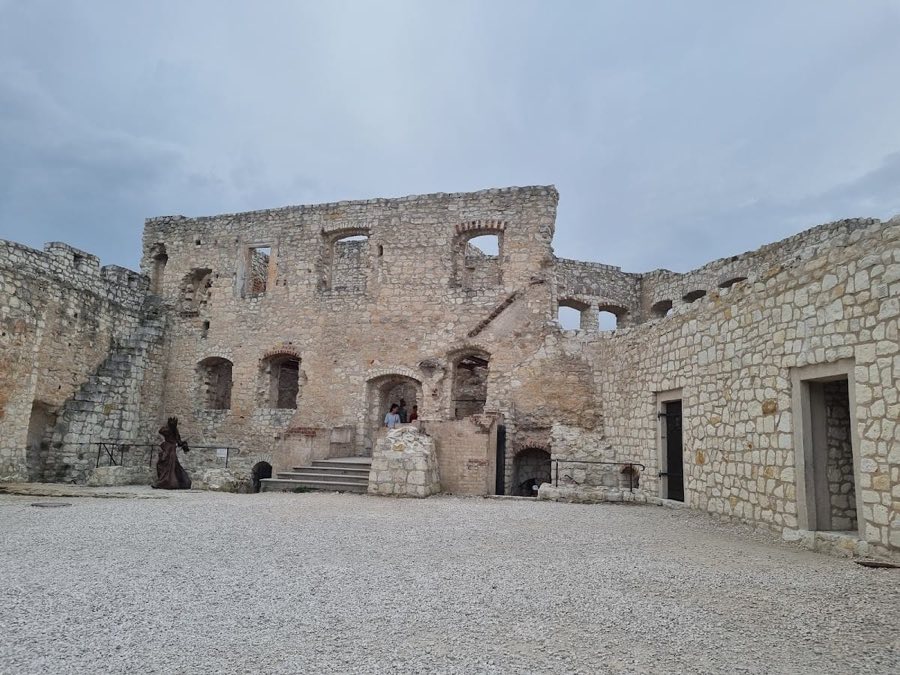
Kazimierz Dolny Castle
Poland
CastleRuin14th century
No. 66218
Castle · Poland
No. 66218 · 51.297 N, 22.145 E
Quick summary
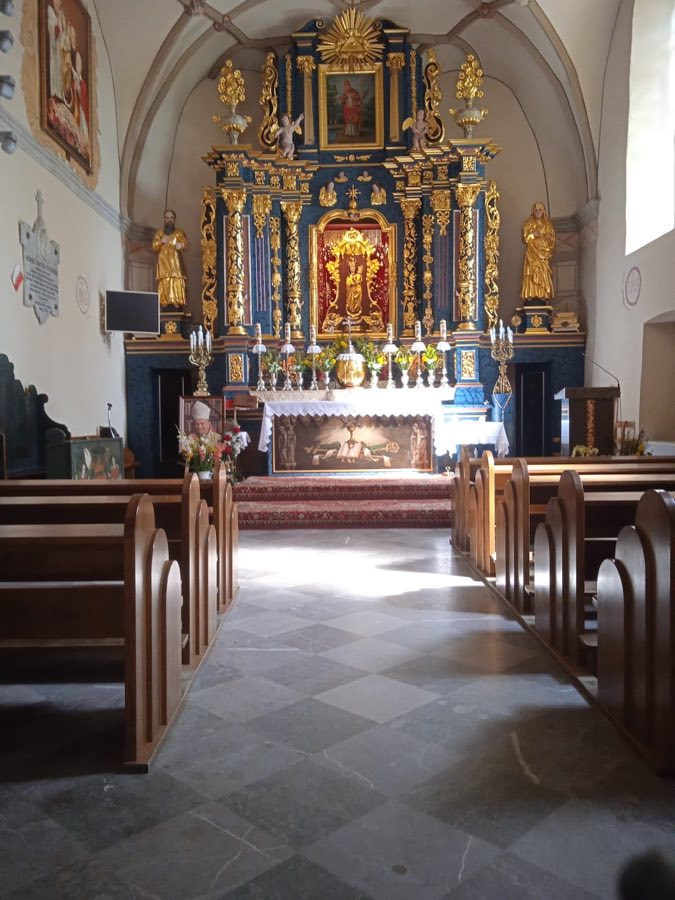
Wąwolnica Castle is a castle in Poland with origins associated with the 14th century.
See all castles in PolandThe castle in Wąwolnica stands within the municipality of Wąwolnica in modern Poland and was originally built by the Polish kingdom during the 14th century. It occupies the elevated area known as Church Hill, serving as a royal site within the medieval Kingdom of Poland.
Construction of the castle dates to the reign of King Casimir III the Great in the mid-1300s. It functioned primarily as a royal rest station, providing accommodation for the king during his extensive travels across the realm. Its presence is confirmed by an early mention in the Kraków Cathedral Chronicle by Janek of Czarnków shortly after the king’s death in 1370, signaling its establishment as a notable royal property by that time.
Throughout the 15th century, the castle played an administrative role. Records from 1381 to 1474 document judicial proceedings held there by the Lublin castellan, who exercised authority over the minor nobility in the area. The castle’s burgrave, an official responsible for its management and defense, is also noted in municipal court documents in the late 15th century. In 1461, the castle was referenced as “castrum nostrum Wawelnica,” emphasizing its recognized status within the kingdom’s judicial and administrative network.
In the early 16th century, specifically in 1518, the castle’s royal estate was leased to Mikołaj Firlej for a two-year term, indicating a shift toward private tenancy of some royal properties. However, disaster struck in 1567 when a large fire destroyed the castle and the adjoining town. Following this event, the settlement was relocated to a nearby suburb and rebuilt, while the former castle lands gradually passed into the ownership of the Benedictine abbey on the nearby Łysa Góra hill.
By the mid-17th century, the castle had fallen into ruin, described as being in poor condition by 1650. Its religious associations grew stronger over time, with the Benedictine order converting the remaining structures into monastic quarters. Local tradition recorded in 1845 recalls that the church and monastery had been adapted from the old castle, noting remnants of defensive walls featuring arrow slits and a large building integrated into the monastic complex. This conversion placed the former royal site under the care and use of the Benedictines until the 19th century.
In 1819, the dissolution of the monasteries by Pope Pius VII affected religious houses in the area, including those on Łysa Góra and in Wąwolnica. Subsequently, between 1850 and 1860, the castle’s remaining walls were dismantled to make way for the construction of a rectory northeast of St. Adalbert’s Church on Church Hill, marking a further transformation of the site’s function and appearance.
Archaeological investigations conducted from 1999 to 2002 have since uncovered significant evidence of the castle’s original form and extent, confirming the survival of substantial structural elements despite centuries of change.
The castle at Wąwolnica was strategically positioned on an elevated site known today as Church Hill, comprising a complex that integrated defensive and residential functions within the medieval town. Excavations have revealed remnants of a large tower that combined living quarters with fortification purposes, situated in the northern part of the hill. This tower’s vaulted basement walls demonstrate skilled medieval stone construction, forming part of a broader network connected to the defensive walls encircling the town of Wąwolnica.
Immediately south of the castle stood a two-story medieval church dedicated to St. Adalbert. Although partially demolished in the early 20th century, the church’s lower level remains preserved, offering insight into the close association between the castle complex and ecclesiastical structures. Adjacent to the site, the two-level Chapel of Our Lady of Kębło still survives, which served as a southern boundary to the castle area and also defined a corner of the medieval town’s market square. Until 1914, this chapel was dedicated to St. Adalbert, marking its longstanding religious significance alongside the fortified complex.
In the 19th century, chroniclers noted visible masonry remains within the monastic buildings that had replaced the castle. These included walls containing arrow slits—narrow vertical openings used historically by defenders to shoot arrows while remaining protected—and the spacious form of a sizable building believed to be part of the former castle’s residential or defensive spaces. After the removal of the original castle walls around the mid-1800s, a rectory was erected on the site northeast of St. Adalbert’s Church, indicating a comprehensive reuse of the area’s remaining structures.
Thus, the surviving archaeological features form a layered picture of the castle’s evolution from a royal defensive residence to a religious institution’s quarters and, later, a secular building footprint. These remains offer tangible links to the site’s medieval origins and its dynamic history over the centuries.
No. 10169

No. 34482
No. 53066
No. 39531
Comments
Comments for Wąwolnica Castle will require a verified account before posting.
We'll send a verification link before your first comment is published.