No. 70091
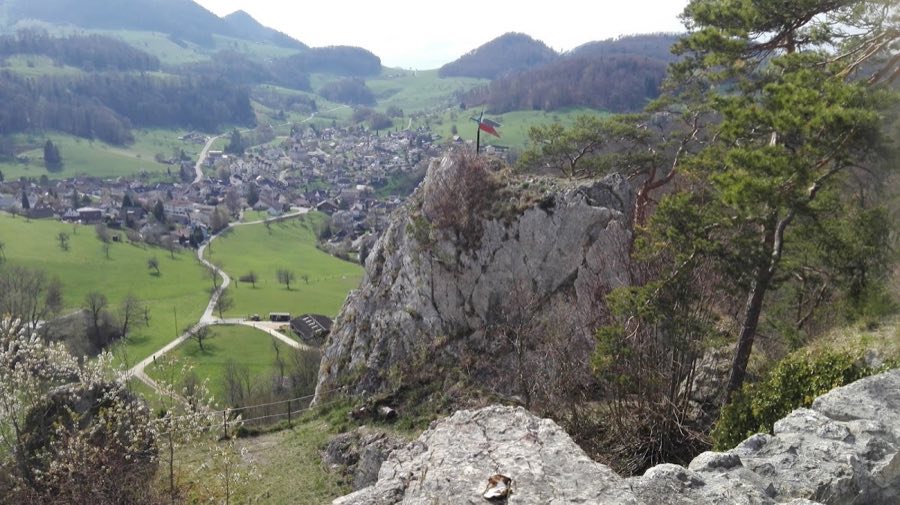
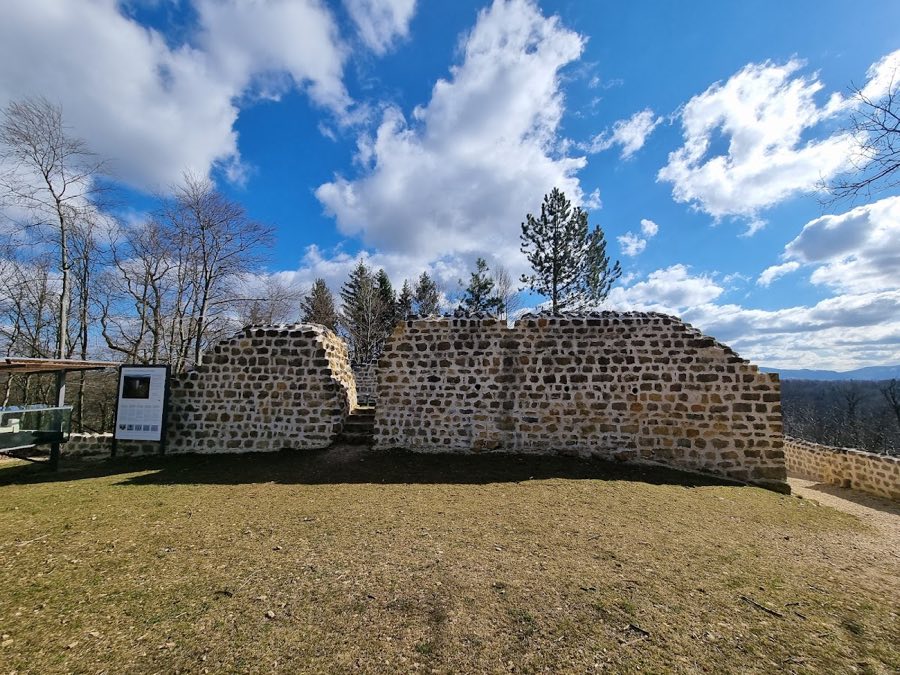
Burg Rifenstein
Switzerland
CastleRuin12th century
No. 62234
Castle · Switzerland
No. 62234 · 47.430 N, 7.736 E
For events
Wildenstein Castle is marked as a château or castle venue lead. Capacity, indoor/outdoor spaces, catering rules, and accommodation options are published only after public verification.
Event types: Private events, Cultural gatherings, Filming and photography
Quick summary
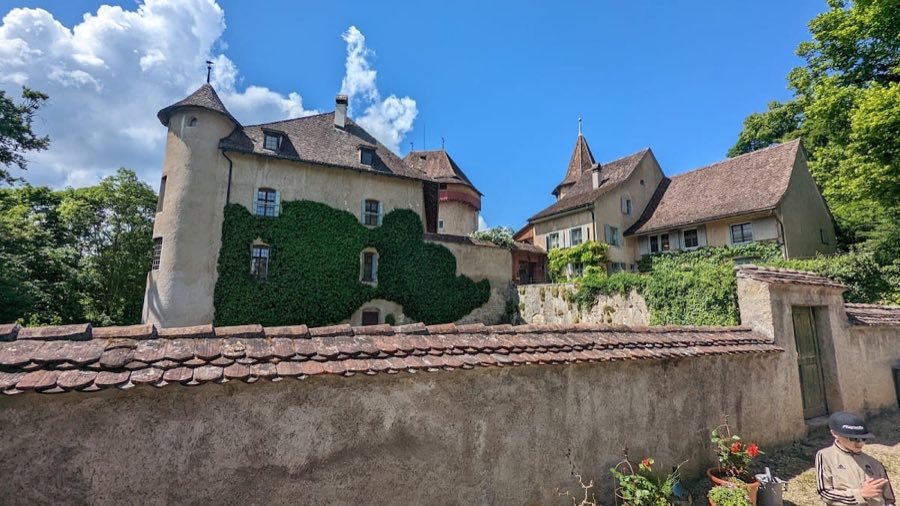
Wildenstein Castle is a castle in Switzerland with origins associated with the 13th century.
See all castles in SwitzerlandWildenstein Castle stands within the municipality of Bubendorf in Switzerland, built during the medieval period by the local feudal family of Heinrich von Eptingen. Raised on a rocky outcrop in the 13th century, the fortress was established to assert control over the surrounding lands and to serve as a stronghold for its noble occupants.
The castle’s early history centers around Heinrich von Eptingen, who first took on the name “von Wildenstein” in 1293, linking his identity directly to the fortress. His son Gottfrid inherited the site during a turbulent time in the early 14th century. In 1334, Wildenstein came under attack when troops from the Bernese and Solothurn regions stormed the castle. This military action was a response to the castle’s garrison violating peace agreements by launching raids against Bernese subjects near the town of Thun. The conflict marked a significant moment where regional powers enforced their claims and punished breaches of local agreements.
Following Gottfrid, the castle passed to his son Henmann, who decided to sell the property in 1380. The buyers were three siblings, Elsi, Götzmann, and Markwart von Baden, who presumably maintained the castle for a time. Over subsequent years, Wildenstein Castle changed ownership several times, including a notable period under the jurisdiction of the city of Basel, reflecting the shifting political landscape of the region.
In the late 16th century, Wildenstein Castle was situated near the locale where the “Rappenkrieg” conflict was peacefully concluded in 1594. The nature of this conflict and its resolution highlight the castle’s continued relevance within regional disputes and negotiations during this era.
Details regarding the damage the castle may have suffered during the 1334 siege and the catastrophic Basel earthquake of 1356 remain unclear; records do not confirm how extensive the destruction might have been. Nevertheless, the castle endured through subsequent centuries.
In modern times, the canton of Basel-Landschaft acquired Wildenstein Castle in 1995. Despite attempts to sell the property in 2011, a popular vote in 2012 ensured the castle remained under cantonal ownership. The castle holds the distinction of being the only surviving hilltop castle in the Basel area and was inhabited until recently, marking a long lineage of occupation.
Perched on a rocky spur south of Bubendorf, Wildenstein Castle occupies a strategic location overlooking a side valley of the river Hintere Frenke. The complex today reflects centuries of construction and remodeling, shaped by its various owners since the 13th century. Though precise details regarding the castle’s layout, size, or specific structural elements are limited, historical engravings offer visual insight into its evolution.
Visual documentation includes an engraving created in 1758 by David Herrliberger, which captures aspects of the castle’s appearance during that period. Later, around 1820, Ludwig Adolf Hess produced a depiction focusing on the residential tower, indicating this feature’s significance in the castle’s profile.
While archaeological sources do not specify elements such as building materials, decorative motifs, or inscriptions, it is clear that the castle underwent numerous expansions and modifications over time. These changes reflect the castle’s adaptation to the needs of its inhabitants and the shifting demands of defense and residence.
Due to its location and historical prominence, Wildenstein has been classified as a cultural property of national significance in Switzerland. Although the current structure’s condition is not exhaustively described, the presence of original components and the site’s enduring form testify to its resilience through centuries of conflict and natural events.
Today, the castle remains accessible only by a footpath leading from Bubendorf station, taking approximately one hour to reach, preserving its hilltop character and connection to its medieval origins.
No. 70091
No. 73088
No. 47508
No. 72316
Comments
Comments for Wildenstein Castle will require a verified account before posting.
We'll send a verification link before your first comment is published.