No. 34542
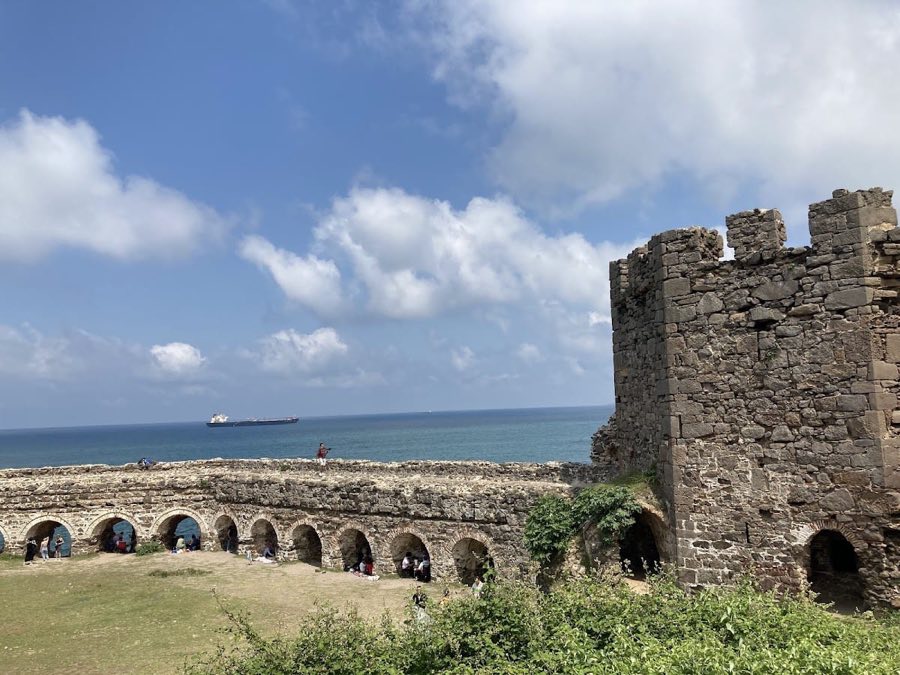
Rumelifeneri Castle
Turkey
CastleRuin15th century
No. 70581
Castle · Turkey
No. 70581 · 41.179 N, 29.094 E
Quick summary
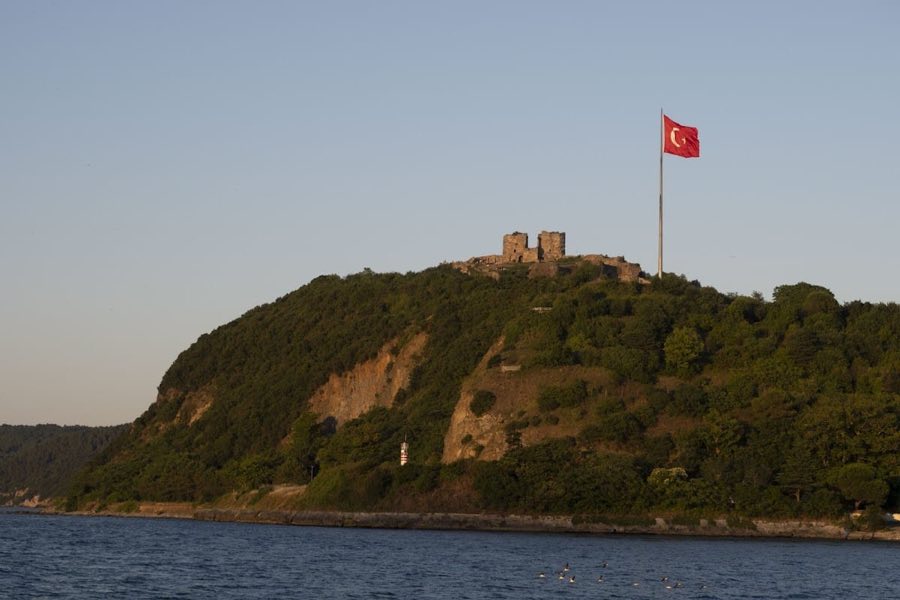
Yoros Castle is a castle in Turkey with origins associated with the 14th century.
See all castles in TurkeyYoros Castle stands near the meeting point of the Bosphorus and the Black Sea within the Beykoz district of modern-day Turkey. Its earliest known settlers were Phoenicians and Greeks, who established the location as an important center for trading and defense. In antiquity, this area earned the name “Hieron,” meaning “sacred place,” highlighting the presence of temples and altars dedicated to deities such as Apollo and Zeus.
The fortress itself likely dates to the Byzantine era, with evidence pointing to significant construction or renovation during the reign of Emperor Manuel I Komnenos. This period saw efforts to strengthen the region’s defenses against potential Viking incursions targeting Constantinople. Through the centuries, Yoros Castle served as a vital stronghold controlling naval passage along the Bosphorus, allowing those in command to monitor and collect tribute from ships entering or leaving the Black Sea.
Throughout its long history, control over the castle shifted among powerful actors. The Ottomans first captured the fortress in 1305, but it frequently changed hands, including a period in the late 14th century when the Genoese held it. This era contributed to the site’s alternate name, “Genoese Castle” (Ceneviz Kalesi). Eventually, by the late 1300s, the Ottomans regained permanent control, using Yoros as a military base during the siege of Constantinople. Under Sultan Bayezid I, the fortress’s walls were reinforced, and later Sultan Bayezid II commissioned the restoration of fortifications and the construction of a small mosque within the castle grounds. Subsequently, the fortress commander Mehmed Agha added a bathhouse.
The fortress endured damage from an earthquake in 1509 but received repairs by 1576, which included restoration of the mosque, water supply facilities, and the bathhouse. Yoros Castle remained in military use until the 19th century, when its strategic importance declined. The surrounding area also holds religious significance, notably the nearby Hill of Saint Joshua (Yuşa), a site containing a tomb traditionally linked to Joshua ibn Nun. This tomb attracts Christian, Jewish, and Turkish Sufi pilgrims and features a mosque and terrace restored in 1863 by Sultan Abdulaziz.
Yoros Castle extends roughly 500 meters along the Black Sea coast, with a fortress width varying between 60 and 130 meters. The strongest fortifications face east towards Anatolia, constructed to withstand threats from both the sea and land. Within the castle, peaceful times saw the presence of a small Turkish quarter composed of about 25 houses and a garrison of twenty guards who answered to the commandant.
Among the surviving ruins are sections of the main citadel, including two towers that rise approximately 20 meters high. A notable eastern gate remains partially intact, with its arch reinforced by brickwork on both interior and exterior surfaces to prevent collapse. Historical depictions show that the fortress’s walls once descended directly to the Bosphorus shoreline, where facilities such as a pier and lighthouse were located to aid maritime navigation.
Inscriptions carved in ancient Greek, along with symbols of the Palaiologos dynasty, survive on parts of the walls, reflecting the site’s Byzantine connections. Throughout the castle and tomb area, stone plaques incorporate Christian crosses alongside crescents, indicating the layered religious history of the location.
The tomb of Saint Joshua nearby is a rectangular earthen mound measuring about 17 meters in length and 2 meters wide. It stands within a fenced enclosure shielded by an additional iron mesh, preventing direct contact by pilgrims. The tomb area is set amidst grassy terrain dotted with tall trees and marked at each end by two cylindrical stones. One such stone features a quadrangular hole and a crack, designed to hold a tall pole topped with a golden or gilded disk inscribed in Arabic and resembling a ripidion—a liturgical fan used in Eastern Christian rites.
This tomb complex includes a mosque and a broad terrace furnished with benches for the use of pilgrims. The entire enclosure is surrounded by a substantial stone and brick wall pierced by two doors and several windows, allowing visitors to enter, perform circumambulation around the tomb, and exit respectfully. While many structures, including towers and the mosque, have partly deteriorated or vanished, the eastern fortifications of Yoros Castle remain comparatively well preserved.
No. 34542
No. 26354
No. 72996
No. 84132
Comments
Comments for Yoros Castle will require a verified account before posting.
We'll send a verification link before your first comment is published.