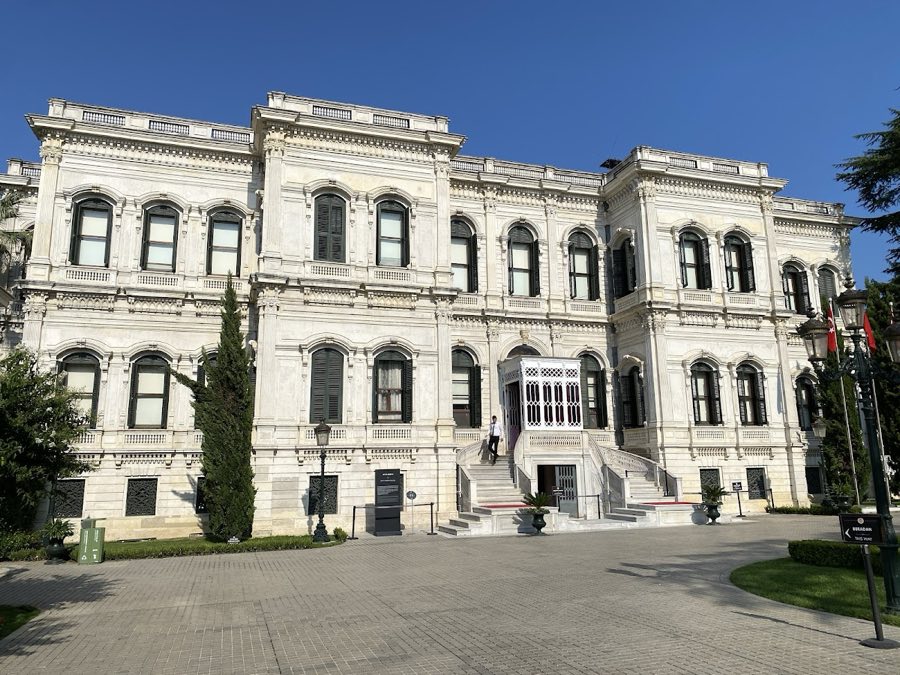
No. 72996
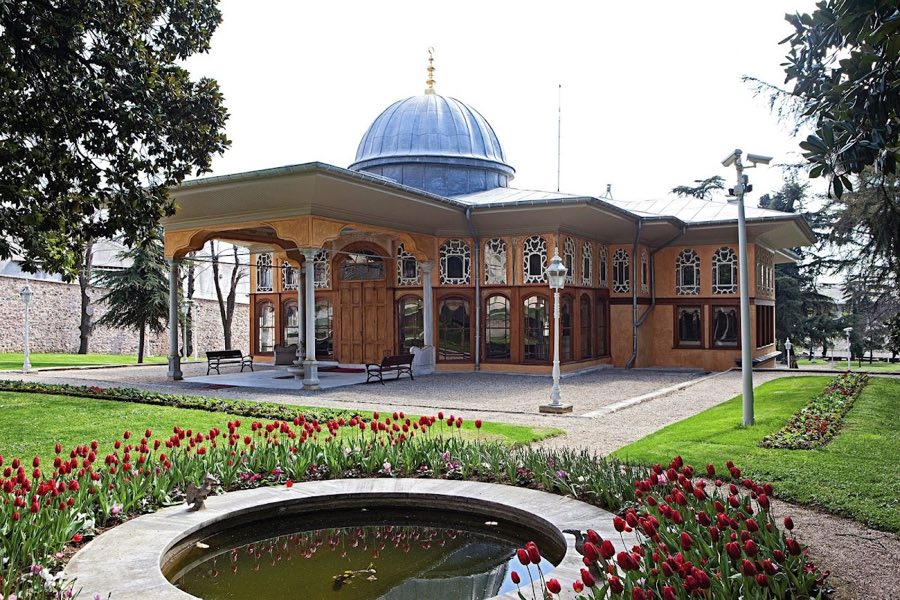
Yıldız Palace
Turkey
PalaceRestored19th century
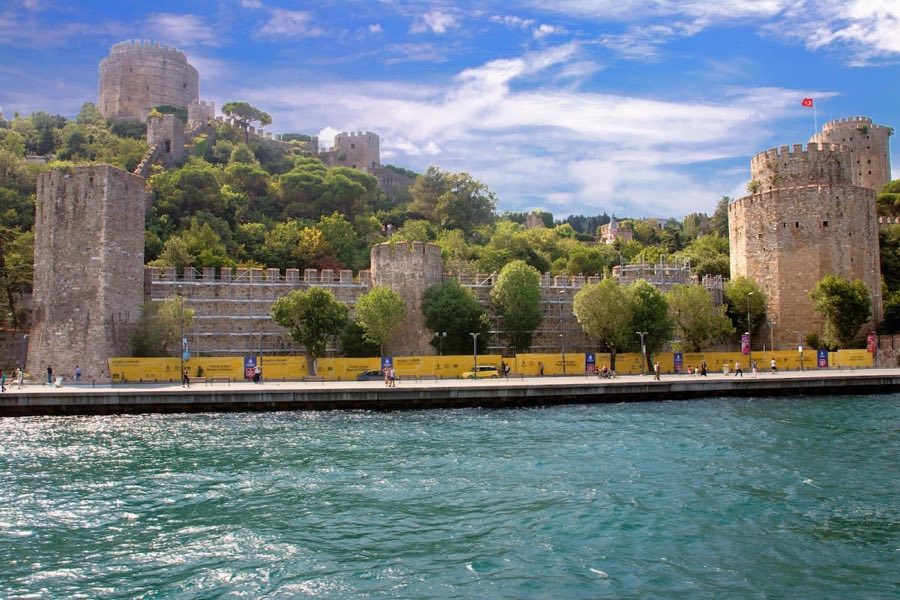
No. 26354
Castle · Turkey
No. 26354 · 41.085 N, 29.056 E
For events
Rumelihisarı is marked as a château or castle venue lead. Capacity, indoor/outdoor spaces, catering rules, and accommodation options are published only after public verification.
Event types: Private events, Cultural gatherings, Filming and photography
Quick summary
Rumelihisarı is a castle in Turkey with origins associated with the 18th century.
See all castles in TurkeyRumelihisarı is a fortress situated in the Sarıyer district of Istanbul, Turkey, constructed by the Ottoman Empire. Its origins lie in the crucial period leading up to the Ottoman siege of the Byzantine capital, Constantinople.
The fortress was built swiftly within just over four months in 1452 under the orders of Sultan Mehmed II. This ambitious construction aimed to control naval passage along the Bosphorus Strait at its narrowest point, approximately 660 meters wide. By commanding the waterway opposite the long-established fortress on the Asian side, Rumelihisarı was intended to block any military or supply assistance reaching Constantinople by sea, thereby tightening the Ottoman siege.
Before the Ottoman fortress was established, the site held several earlier structures. During Roman times, a fortification occupied this strategic location. Later, Byzantine authorities used the area as a prison, and it also hosted a Genoese prison and a monastery, reflecting its long-standing importance in regional control.
Following the Ottoman conquest of Constantinople in 1453, Rumelihisarı’s role evolved. It became a customs checkpoint overseeing maritime traffic along the Bosphorus. Additionally, the fortress occasionally served as a prison for foreign war captives and diplomats from states at war with the Ottomans, underscoring its continued military and political significance.
The structure experienced significant damage due to the Great Earthquake of 1509. In 1746, a fire destroyed wooden sections of two main towers, necessitating repairs. Sultan Selim III undertook restoration efforts in the late 18th century, ensuring the fortress remained operational.
Throughout the centuries, Rumelihisarı remained in use until the late 1800s. Over time, a residential neighborhood developed within its walls. However, in 1953 inhabitants were relocated following government orders, and a major restoration between 1955 and 1958 returned the fortress to a preserved state. Since 1960, the site has served as a museum and a venue for cultural events.
The fortress’s proximity to the Fatih Sultan Mehmet Bridge, which crosses the Bosphorus nearby and bears the name of its founder, connects its historical legacy to the modern cityscape. Rumelihisarı also appeared on Turkish banknotes during much of the 20th century, emphasizing its national significance.
Rumelihisarı occupies a roughly rectangular area of over 30,000 square meters bordered by massive outer walls stretching about 250 meters from north to south and varying between 50 and 125 meters east to west. The complex combines thick stone masonry with defensive towers of various shapes linked by sturdy walls, creating a formidable barrier controlling the Bosphorus.
Within the fortress are three main towers, each named after the royal viziers overseeing their construction. The northern tower, called Sarıca Pasha Tower, is cylindrical with impressive walls around seven meters thick. Rising nine stories and reaching 28 meters high, it is also known as the Fatih Tower in honor of Sultan Mehmed II. This tower’s robust design reflects its primary role in defense and surveillance.
The central tower along the waterfront is unique for its twelve-sided, or dodecagonal, shape. Standing 22 meters tall with walls 6.5 meters thick, the Halil Pasha Tower also has nine stories. Its geometric form suggests advanced architectural planning to maximize strength and provide effective vantage points over the sea.
On the southern end stands the Zağanos Pasha Tower, a cylindrical structure 21 meters high and 26.7 meters in diameter, featuring walls nearly six meters thick and eight stories. These three towers are connected by curtain walls punctuated by thirteen smaller watchtowers of varying shapes: one quadrangular, six multi-cornered prisms, and six cylinders, which provided additional defensive positions along the walls.
Originally, the towers were topped with wooden conical roofs covered in lead, and their interiors were divided into floors separated by wood, each equipped with furnaces for heating. Though these roofs have not survived, the internal structure speaks to the fortress’s design accommodating both protection and the needs of its garrison.
The fortress features three principal gates located near the main towers, supplemented by a side gate and two concealed gates near the southern tower. These secret entrances led to storage areas such as the arsenal and food supplies, highlighting the fortress’s role in sustained defense.
Inside the walls, wooden housing provided accommodations for soldiers. A small mosque, endowed by Sultan Mehmed II during construction, was part of the original complex; while the main structure no longer exists, the minaret shaft remains intact. A smaller mosque built in the mid-16th century once stood within but has since disappeared. A modern mosque now occupies this historic site.
Water needs were met by a large cistern located beneath the original mosque, which distributed water through three fountains built into the walls. Of these, one fountain still exists today, demonstrating the site’s self-sufficient infrastructure.
Two inscriptive plaques are mounted on the fortress walls, marking its historical origins and commemorations from the period of its building, reinforcing the connection between its architecture and the individuals responsible for its creation.
No. 72996
No. 84132
No. 76636
No. 58814
Comments
Comments for Rumelihisarı will require a verified account before posting.
We'll send a verification link before your first comment is published.