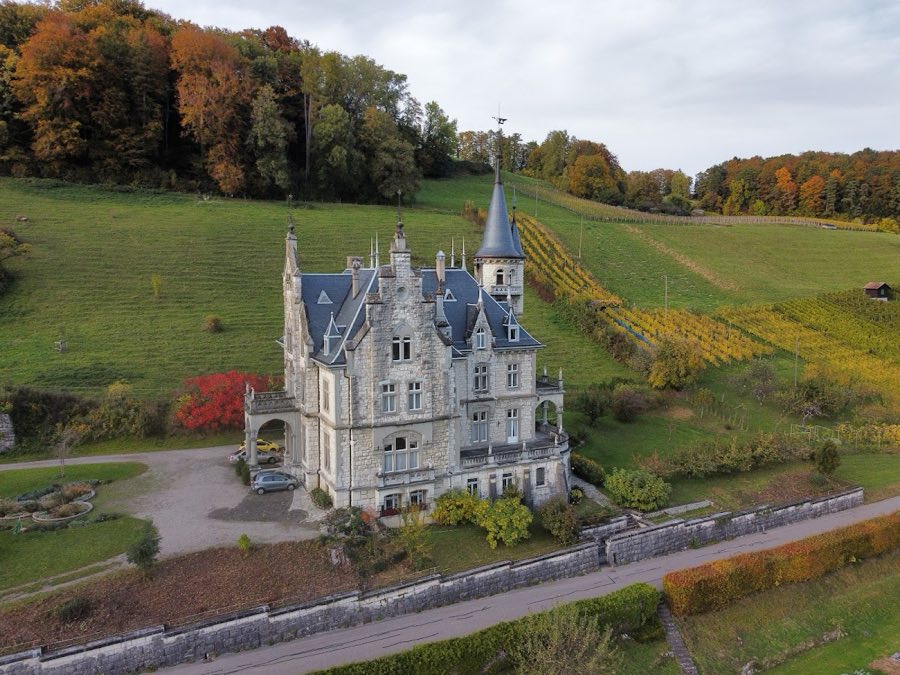
No. 26265
Wart Castle, Neftenbach
Neftenbach, Switzerland
Manor houseRestored19th century
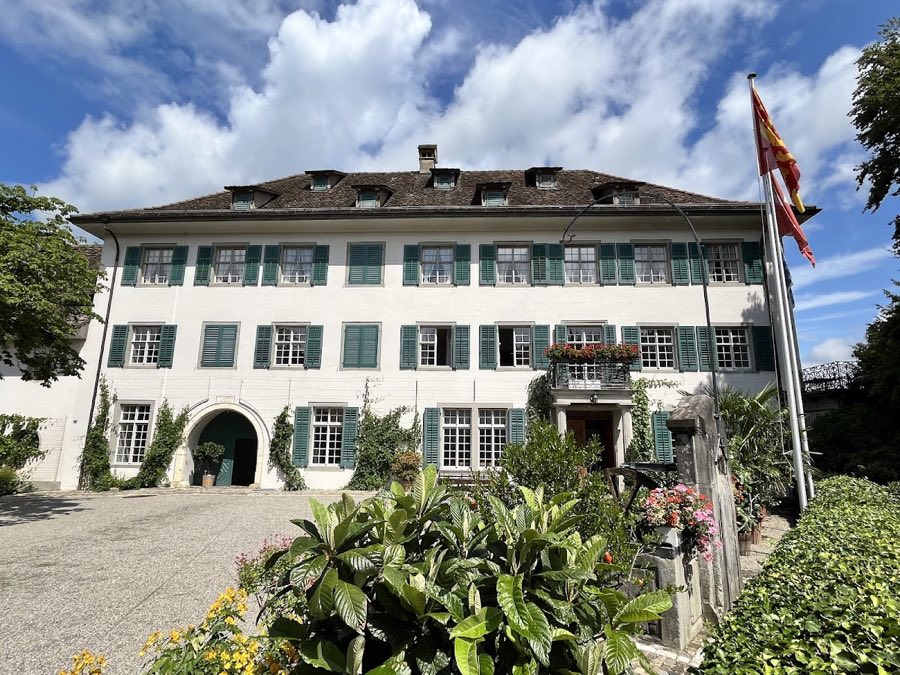
No. 32237
Palace · Switzerland
No. 32237 · 47.596 N, 8.680 E
For rent
Andelfingen Castle is marked for bookable castle accommodation. Nightly pricing, sleeps count, stay rules, and amenities are displayed only when public operator data is available.
Rental type: Hotel / bookable stay, Short-stay rental
Short-term availability: Bookable accommodation signal
For events
Andelfingen Castle is marked as a château or castle venue lead. Capacity, indoor/outdoor spaces, catering rules, and accommodation options are published only after public verification.
Event types: Private events, Cultural gatherings, Filming and photography
Accommodation: Accommodation signal present
Quick summary
Andelfingen Castle is a palace in Switzerland with origins associated with the 17th century.
See all castles in SwitzerlandAndelfingen Castle is located in the municipality of Andelfingen, Switzerland. The castle’s origins trace back to the early 17th century when it was established by the local governing authority to serve administrative and military purposes.
The first “new castle” at Andelfingen was constructed between 1613 and 1614. It functioned primarily as the residence of the Landvogt, the bailiff appointed to oversee the region. This original structure also included essential facilities such as a weapons depot, a powder tower for storing gunpowder, and an archive, which indicates its role as both a military and administrative center during that period.
In the late 18th century, between 1780 and 1782, the initial 17th-century building was taken down after a professional evaluation by a skilled carpenter from the renowned Grubenmann family of Teufen. This assessment led to the construction of the current manor house that stands today, replacing the original Castle which had been located some 200 meters to the west.
The castle continued serving as the Landvogt’s official residence until 1798, when the French invasion altered the political landscape. Following this event, the castle ceased its administrative role and was rented out to Matthias Escher, a physician, showing a shift toward private use during the period of foreign occupation and upheaval.
After the French forces withdrew, and following the end of the Mediation Constitution—a Swiss political arrangement—the castle gained new significance as the seat of the Oberamtmann, or district governor. This transition highlighted the return to regional administrative importance. During this time, specifically in 1817, Hans Kaspar Schweizer commissioned the garden surrounding the castle, enhancing the property’s grounds.
The administrative office of Oberamtmann was discontinued in 1830 when Zürich canton introduced a district reform. As a result, the castle was sold by the city of Zürich in 1832 to Johann Heinrich von Sulzer-Wart. The Sulzer-Wart family retained ownership for several decades until the passing of the last heir, Anna Maria von Sulzer-Wart.
Upon her death, the municipality of Andelfingen received the castle and its garden as a donation, bringing the property into public ownership. From 1925 until 1999, the building served as a retirement home, marking a new chapter in its use. Since the year 2000, the castle has been managed by a foundation and currently accommodates the Statthalteramt, or bailiff’s office, along with a private residential apartment and facilities for various events.
The current structure of Andelfingen Castle is an 18th-century manor house that replaced the original 17th-century building. It is situated approximately midway between the town’s church and the Thur River, offering a vantage point overlooking a covered wooden bridge that spans the river. The castle lies on an estate covering about 1.5 hectares, which includes the garden laid out in 1817.
While specific construction details regarding materials or interior arrangements are not documented, the building’s status as a representative manor house reflects its importance in the region’s administrative history. The garden, commissioned in the early 19th century, complements the castle and defines the character of the property’s grounds.
The site retains its historical layout from the late 18th century, following the demolition of the earlier castle phase. The castle and surrounding park serve as a continuous reminder of the different layers of local governance, residential life, and adaptive reuse that have characterized the property over the centuries.
No. 26265
No. 61793
No. 83341
No. 47357
Comments
Comments for Andelfingen Castle will require a verified account before posting.
We'll send a verification link before your first comment is published.