No. 46885
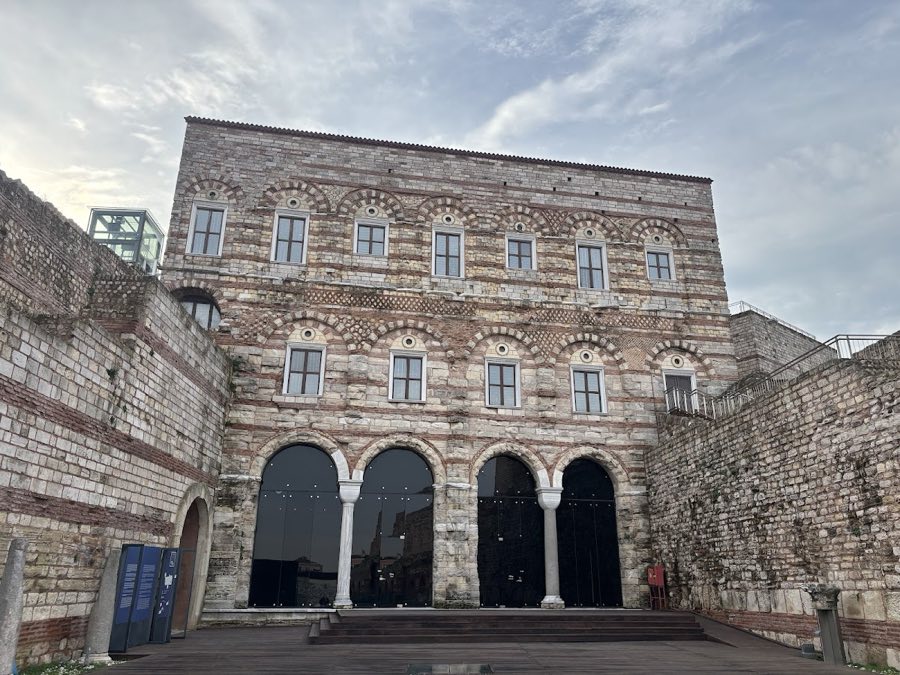
Palace of the Porphyrogenitus
Turkey
PalaceRuin13th century
No. 58814
Palace · Turkey
No. 58814 · 41.038 N, 28.955 E
For events
Aynalıkavak Palace is marked as a château or castle venue lead. Capacity, indoor/outdoor spaces, catering rules, and accommodation options are published only after public verification.
Event types: Private events, Cultural gatherings, Filming and photography
Quick summary
Aynalıkavak Palace is a palace in Turkey with origins associated with the 17th century.
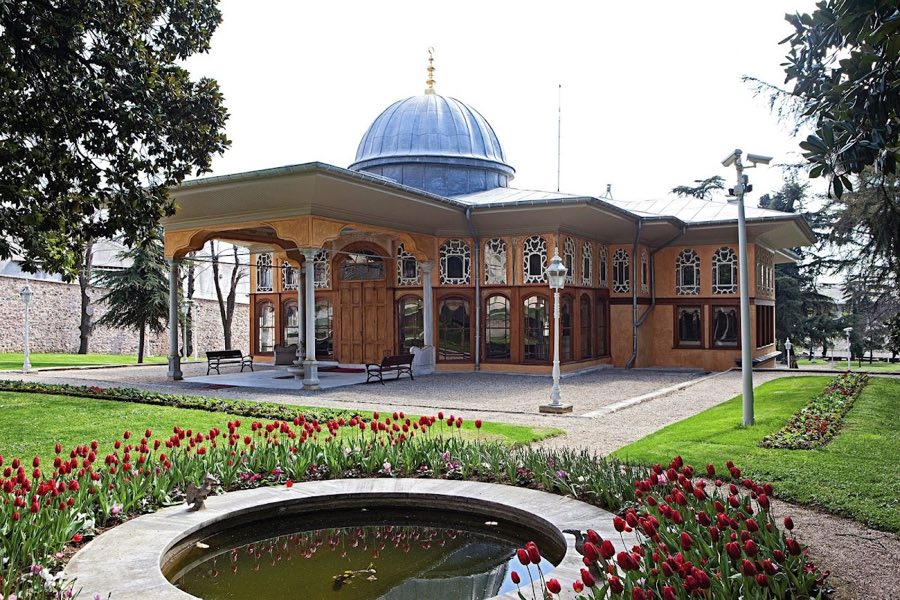
See all castles in TurkeyAynalıkavak Palace in Istanbul, Turkey, is a former Ottoman summer palace complex begun in the early 17th century and noted for its classical Ottoman architectural character. Built by the Ottoman state, it occupied a wooded stretch of coastline on the northern shore of the Golden Horn and served as a seasonal residence and ensemble of palace services for successive sultans and their households. The site gained a separate popular name, Aynalı Kavak Saray, translated as the Palace of Mirrored Poplars, after large Venetian mirrors were installed there in the early 18th century.
Initial building activity took place during the reign of Sultan Ahmed I (1603–1617). The first structure work was completed in 1613, commissioned by the Grand Admiral Kayserili Halil Pasha while Ahmed I was in Edirne. At that time the complex formed part of the park known as Tersane Hasbahçe, or Shipyard Gardens, a stretch of coast and wooded hills between the Kasımpaşa and Hasköy neighbourhoods that adjoined the imperial shipyards.
The complex was enlarged in the mid-17th century under Sultan Ibrahim I (reign 1640–1648). In 1677, during the reign of Mehmed IV, the palace burned and was rebuilt thereafter, returning to use as an imperial ensemble with residential and service functions. Rebuilding reinforced its role as a summer residence and as a place for palace administration connected to the waterfront.
In the 18th century the site reached its greatest recorded extent and variety of uses. Under Ahmed III, Venetian merchants presented very large decorative mirrors in 1718 that were placed in multiple halls, and the mirrors gave rise to the alternative name Palace of Mirrored Poplars. The complex then contained the sultan’s apartments, the harem, the chief eunuch’s and palace instructors’ chambers, the treasury and armoury, a prayer hall, barracks for the palace guard, and servants’ rooms, together with numerous park pavilions, baths, pools, mosques, and an aquarium.
Repair and change continued toward the end of the 18th century. One account attributes restoration to Grand Vizier Koca Yusuf Pasha during the reign of Abdul Hamid I; another account states the palace was repaired by Devlet Giray IV and thereafter remained in his family’s possession until 1923. Selim III is the last sultan recorded to have spent time at the complex and he composed music there; during his reign many pavilion buildings were removed to permit enlargement and modernization of the nearby shipyards.
By the late 19th century the palace ensemble was used primarily to receive foreign delegations. Over the 20th century the former grounds became densely built over, and of the many original pavilions only a single pavilion survives, now under the care of Turkey’s Department of National Palaces.
The palace once centred on an elegant pavilion set within scented gardens and a grouping of subsidiary service buildings along the Golden Horn shoreline. The principal layout combined residential suites and ceremonial rooms with service wings, small freestanding pavilions in the park, and a variety of utility structures that supported palace life on the waterfront. From the Beyoğlu side the sultan’s apartments were visible, the complex facing the shoreline.
The harem formed a two-storey block whose ground floor was entirely enclosed by a camekân (glass-enclosed gallery), providing a protected, light-filled space at the lower level. This arrangement is recorded as part of the complex’s 18th-century plan and was linked to the domestic quarters of the palace household.
The ensemble of 18th-century facilities included a treasury and an armoury, a prayer hall, barracks for the palace guard, and chambers for the chief eunuch and the palace instructors, together with servants’ rooms. The complex also contained numerous park pavilions, public baths, ornamental pools, small mosque buildings for prayer, and an aquarium, forming a mixed program of residence, ritual, administration, and pleasure.
The site experienced destructive and transformative events that affected its fabric. A major fire in 1677 consumed buildings on the site; rebuilding followed. Later, during the reign of Selim III, many pavilion structures were demolished to permit expansion and modernization of the adjoining shipyards, changing the palace’s park and shoreline footprint.
Today only one of the original pavilions survives in situ. That surviving pavilion is administered by the Department of National Palaces of Turkey, while the former palace grounds have been built over with later streets and buildings.
No. 46885
No. 76636
No. 98318
No. 57811
Comments
Comments for Aynalıkavak Palace will require a verified account before posting.
We'll send a verification link before your first comment is published.