No. 98318
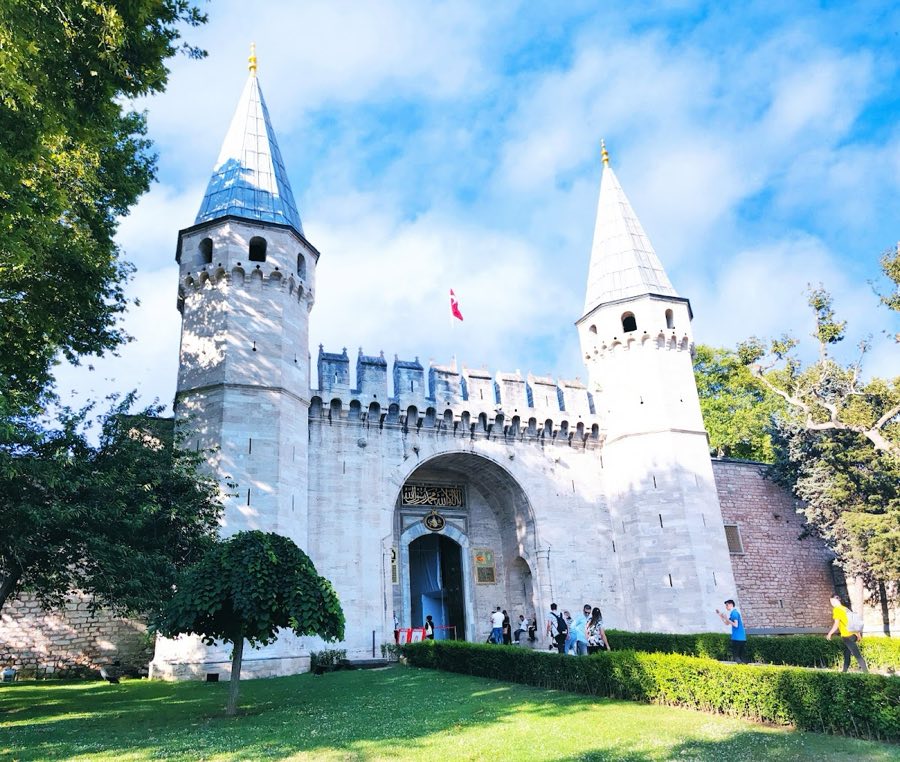
Topkapı Palace
Turkey
PalaceRestored15th century
No. 57811
Palace · Turkey
No. 57811 · 41.006 N, 28.975 E
For events
Ibrahim Pasha Palace is marked as a château or castle venue lead. Capacity, indoor/outdoor spaces, catering rules, and accommodation options are published only after public verification.
Event types: Weddings, Private events, Cultural gatherings, Filming and photography
Ceremony spaces: Ceremony setting to verify
Quick summary
Ibrahim Pasha Palace is a palace in Turkey with origins associated with the 15th century.
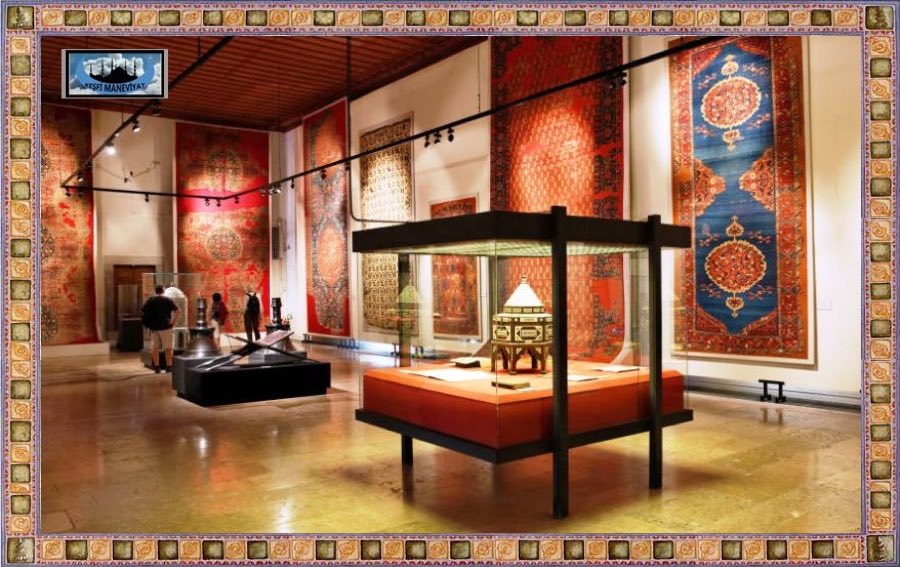
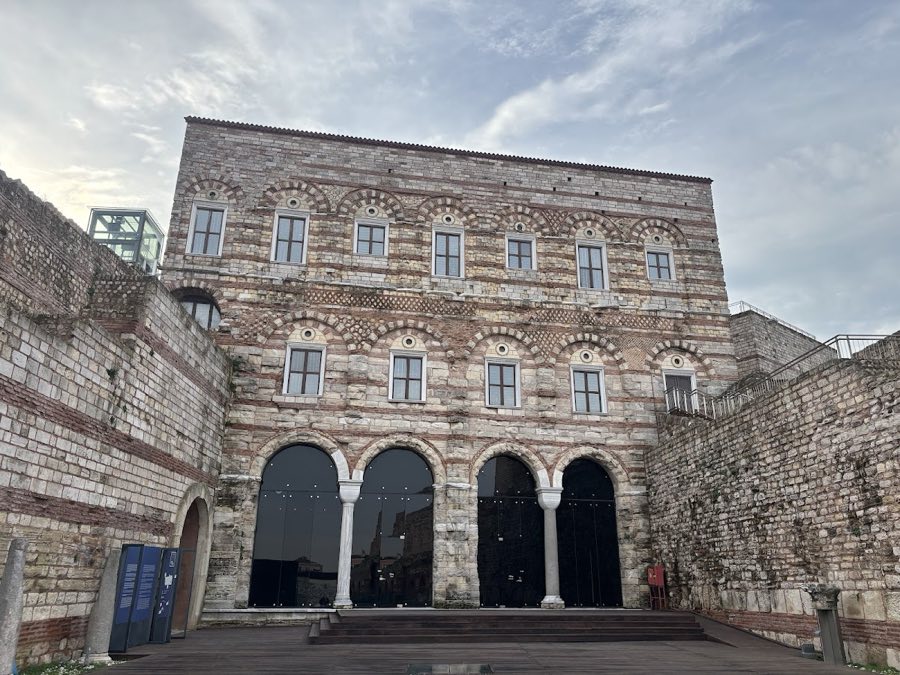
See all castles in TurkeyIbrahim Pasha Palace in Istanbul, Turkey, is an Ottoman palace complex mainly associated with the early 1500s and regarded as an example of sixteenth-century Ottoman architecture. Built within the footprint of the ancient Hippodrome of Constantinople, the complex became prominent through its links with Pargalı Ibrahim Pasha, who served as grand vizier under Suleiman the Magnificent, and through its long use for high-level residence and state functions.
An early modern Ottoman historian placed the building’s origin in the reign of Sultan Bayezid II (1481–1512), and repairs to the structure are recorded in 1521. The building was originally known as the Hippodrome Palace because of its location; it later took the name of Ibrahim Pasha. One account holds that in 1524, after the presumed wedding of Ibrahim Pasha and Hatice Sultan, Suleiman I presented the palace to the newlyweds as a wedding gift.
During the sixteenth century the palace hosted weddings, public festivities, and other official celebrations, and it also witnessed episodes of civil unrest and revolt. After Ibrahim Pasha was strangled in 1536, the complex continued to serve as a residence for later grand viziers. Over subsequent centuries its rooms were adapted for a wide range of state and military uses, functioning at various times as military quarters, an embassy, a revenue office, living quarters for the Ottoman military band, sewing workshops, and as a prison.
In the twentieth century the palace fell into vacancy and faced demolition. An architect brought attention to the empty building and published an article on 5 June 1938 that prevented immediate destruction, although a section containing the harem and the ambassador’s hall was later demolished. A sustained campaign to save the complex culminated in a preservation decision during the presidency of İsmet İnönü in 1946; one argument offered in favour of demolition had cited an earlier renovation carried out by an Armenian. From 1938 the surviving parts began a new institutional life as the Turkish and Islamic Arts Museum. Between 1983 and 2012 portions of the compound housed the judicial archives of the Ministry of Justice and the Istanbul Directorate of Land Registry and Cadastre; in 2012 the archives moved and their former space was transferred to the Ministry of Culture to be added to the museum, and a later Minister of Culture campaigned for rebuilding the section that had been pulled down.
The palace occupies a multi-section footprint directly on the territory of the ancient Hippodrome of Constantinople, its plan reflecting a complex of connected spaces rather than a single block. The ensemble is described as a compound with separate components serving private residence and official reception functions, arranged to face the former public arena.
Two specifically named units within the complex were the harem (the private living quarters) and an ambassador’s hall used for formal audience and reception. These two parts were removed in a hurried demolition at an earlier date, leaving other sections intact. Repairs carried out in 1521 are recorded, indicating maintenance and investment in the structure during the early sixteenth century.
Surviving sections have been adapted for public use in modern times. From 1938 much of the standing fabric has housed the Turkish and Islamic Arts Museum, while other wings served as judicial archives and the land registry between 1983 and 2012. After 2012 the space formerly used by the archives was returned to the Ministry of Culture and incorporated into the museum complex. Today the site presents a mixture of reused, maintained areas in museum and office use alongside portions that were demolished in the past.
No. 98318
No. 76636
No. 58814
No. 46885
Comments
Comments for Ibrahim Pasha Palace will require a verified account before posting.
We'll send a verification link before your first comment is published.