No. 18435
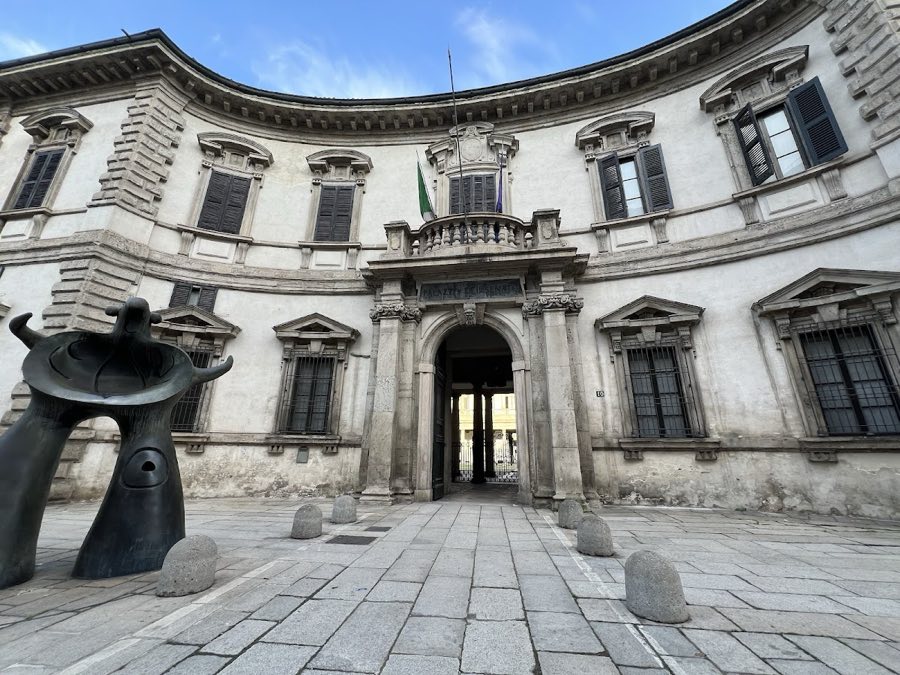
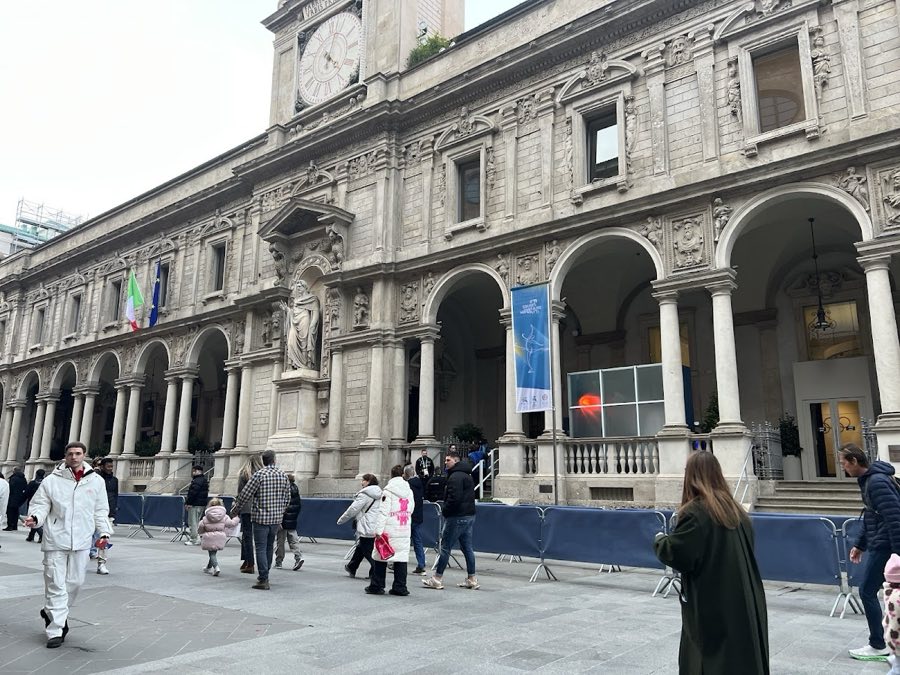
Palazzo del Senato, Milan
Milan, Italy
PalaceRestoredFor events18th century
No. 86912
Manor house · Italy
No. 86912 · 45.470 N, 9.195 E
Quick summary
Bagatti Valsecchi Museum is a manor house in Italy with origins associated with the 19th century.
See all castles in ItalyThe Bagatti Valsecchi Museum in Milan, Italy, is a nineteenth‑century urban residence remodeled in the late 1800s in a Neo‑Renaissance manner that draws on sixteenth‑century Lombard architecture, created by members of the Italian Bagatti Valsecchi family. Its late‑nineteenth‑century transformation and the owners’ active collecting made the palace notable for the deliberate reconstruction of a historic domestic interior and for assembling a coherent collection intended to remain in situ as part of the house.
In the 1880s brothers Giuseppe and Fausto Bagatti Valsecchi carried out an extensive enlargement and redecoration of the family home that unified earlier fabric into a single, Renaissance‑inspired palazzo. The façade on the street now called via Santo Spirito was finished and inaugurated in 1883. During this campaign the brothers acquired paintings, sculpture, furniture and decorative arts, concentrating on works from the fifteenth and sixteenth centuries and on contemporary pieces made in a Neo‑Renaissance style, with the explicit aim of integrating these objects into the house as a domestic ensemble. They also fitted the building with up‑to‑date technical systems for their day, including heating, running water and electric lighting.
Giuseppe took part in municipal matters connected with Milan’s late‑nineteenth‑century urban planning, in particular the Beruto plan, the city’s comprehensive scheme for streets and building regulations approved by law in 1889. In 1893 he signed a municipal report dealing with awards for new houses along the new route that linked Cordusio to Foro Bonaparte, showing the family’s engagement with the changing city fabric.
After Fausto’s death in 1914 and Giuseppe’s in 1934 ownership passed to Fausto’s son Pasino and his wife Carolina Venini. During the Second World War parts of the collection were moved to the towns of Varedo and Cardeno for safekeeping. Bombing during the war damaged the palace; it was made habitable again following restoration work completed in 1951.
In the mid‑1970s the Region of Lombardy acquired the building and on 24 July 1974 the Bagatti Valsecchi Foundation was established and received the collection. The foundation carried out restoration, cataloguing and inventory work and in 1977 opened a first exhibition space on the ground floor. The house‑museum formally opened its rooms to the public in 1994, offering twenty‑five named interiors. The Association of Friends of the foundation formed in 1996 and regional support for a restoration feasibility plan followed in 1998, with Polytechnic students involved in preparatory conservation proposals. In the 2000s the palace joined the Lombardy network of house‑museums and from October 2008 it became part of the House‑Museums of Milan circuit. The site is managed by the Fondazione Bagatti Valsecchi, a private non‑profit foundation, and the family archive, the Archive of the Bagatti Valsecchi (ABV), is kept within the building. Rosanna Pavoni served as director from 1984 until 2002.
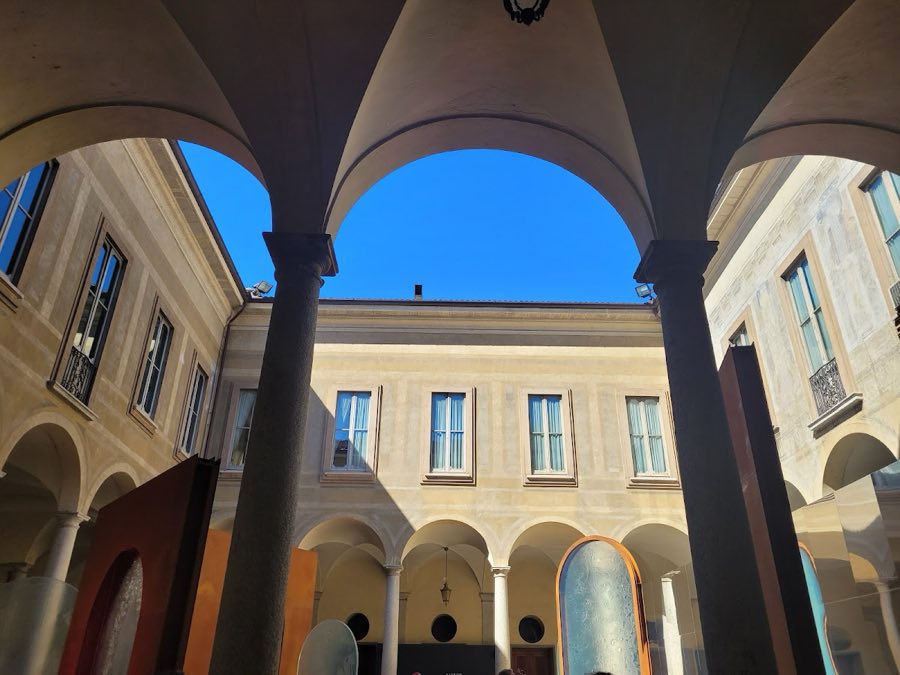
The building presents as a nineteenth‑century urban palazzo whose current appearance stems from the late‑1800s remodelling that looked back to sixteenth‑century Lombard palaces. The principal exterior milestone is the completed façade facing via Santo Spirito, inaugurated in 1883. A sculptural highlight sits in the courtyard facing via Gesù, where a marble Madonna of Mercy stands as a focal element within the external space.
Inside the house the layout preserves the pattern of a private residence, with rooms kept under the original names used by the family, for example the red bedroom and the dining room. The plan was treated as a single domestic circuit so that furnishings and works of art were displayed as integral parts of everyday rooms rather than as isolated museum cases. Twenty‑five rooms were made available to the public when the house‑museum opened in 1994.
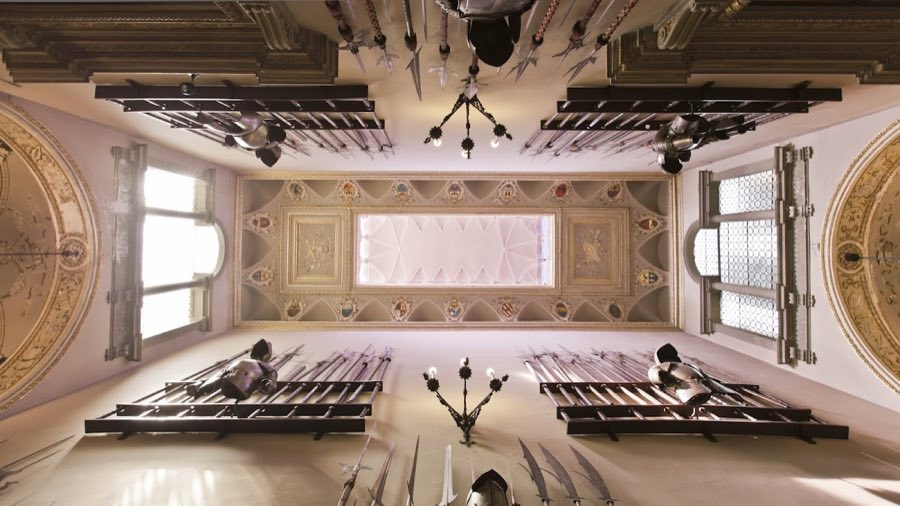
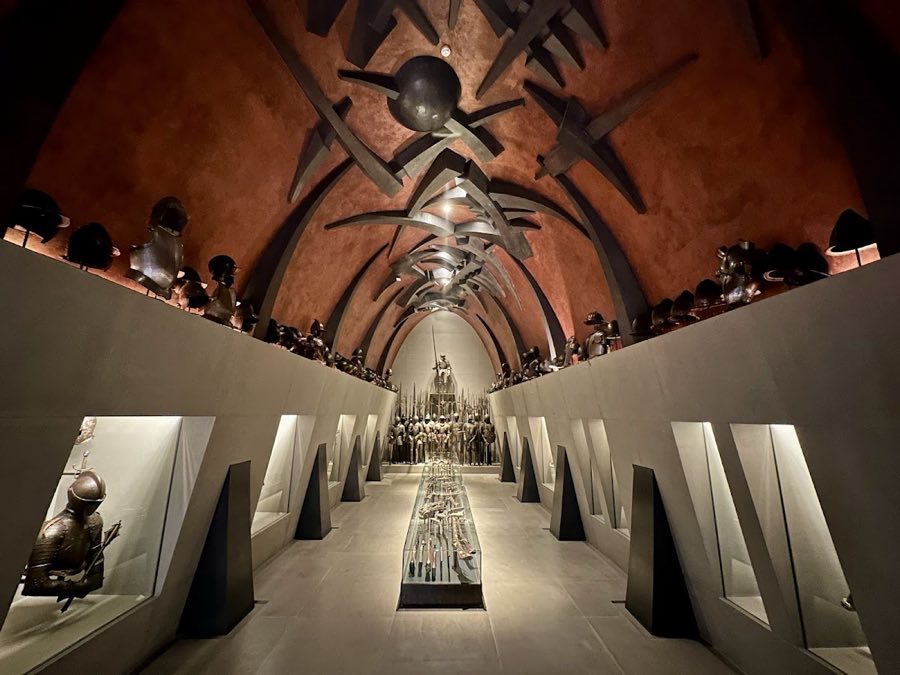
The interiors contain an array of object types positioned as part of the house ensemble. Furniture sits alongside musical and scientific instruments, paintings, stained glass, sculpture, ivories and glassware. Ceramics, textiles, silverwork, leather pieces, clocks, metal objects and an armory form part of the groupings that the owners assembled to recreate a period atmosphere. During the late‑nineteenth‑century campaign the family replaced imitative finishes, such as wallpapers meant to look like oak, hangings imitating leather and plinths that copied marble, with authentic materials and sought to acquire original period pieces for the rooms.
The palace also houses a specialized library and the family archive. The library today amounts to about 480 titles and the Archive of the Bagatti Valsecchi is conserved within the building, both kept as part of the museum’s internal resources. Conservation work on the structure and its contents resumed after wartime damage with a notable restoration in 1951 and continued planning and interventions from the 1970s onward, contributing to the building’s reputation among well‑conserved European house‑museums.
No. 18435
No. 49673
No. 18123
No. 79019
Comments
Comments for Bagatti Valsecchi Museum will require a verified account before posting.
We'll send a verification link before your first comment is published.