No. 71138
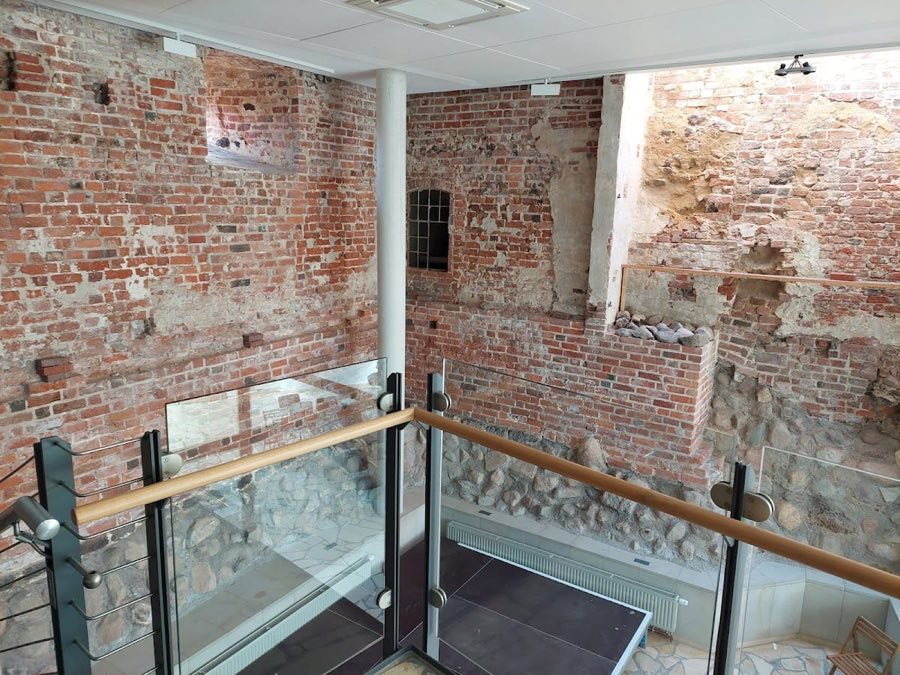
Burg Rethem
Germany
CastleRuin14th century
No. 79518
No. 79518 · 52.696 N, 9.280 E
Quick summary
Brunsburg is a castle in Germany with origins associated with the 20th century.
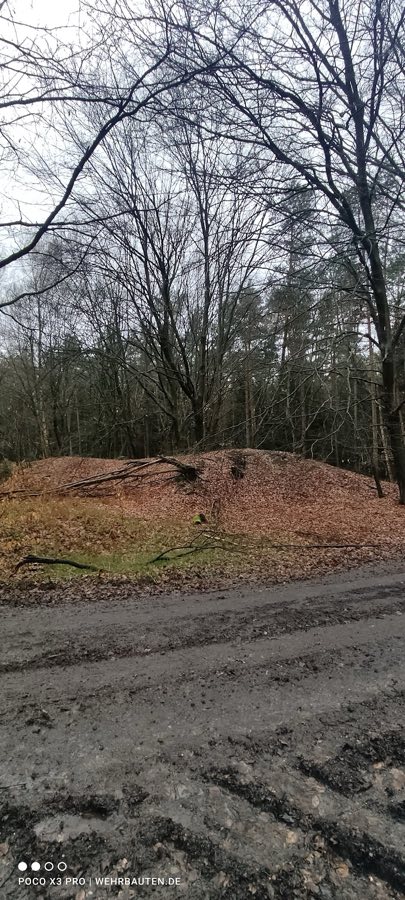
See all castles in GermanyBrunsburg is a motte-and-bailey hillfort near Heemsen, Germany. Its beginnings appear to lie in the Early Middle Ages, most likely around the ninth century.
The site was established on a raised sand ridge surrounded by marshy ground, a position that allowed it to be occupied intermittently and used as a refuge during times of danger. Pottery sherds recovered from the site indicate early medieval activity. Because it stood in a settlement-remote lowland, people seem to have entered the fort chiefly in wartime rather than living there continuously.
One interpretation sees Brunsburg as serving a manorial estate belonging to the Bishops of Minden, functioning as a refuge-castle on the border with the Bishopric of Bremen. This view locates the hillfort within the shifting territorial presence of those ecclesiastical authorities in the region during the Middle Ages.
In 1905 the Nienburg schoolteacher Heller carried out excavations within the smaller main castle on behalf of the local antiquities association. The work revealed internal building layouts and preserved floor surfaces, but produced only a few clear chronological markers to refine the date beyond the early medieval period.
Local oral tradition preserves two legends linked to the site. One tells of a Count Bruno who once held the castle and later moved to Brunswick. Another describes a Captain Bruns who retired to the stronghold and hid his war chest there. These stories have been passed down in the area and are attached to the place name in local memory.
Brunsburg occupies a defended peninsula of firm sand projecting into marshland, with two sides naturally bounded by stream channels and the remaining approach secured by man-made earthworks. The fortified complex comprises a smaller inner stronghold and a larger surrounding ward. The inner area measures about one hectare and sits toward the tip of the ridge, while the outer defended zone extends across roughly 4.5 hectares.
The inner stronghold preserves two earth ramparts today; archaeologists suspect a third rampart once stood as part of its defensive sequence. The surviving banks form an irregular triangular layout, with side measurements on the order of one hundred metres and one hundred fifty metres. Present heights of the ramparts are modest, generally around one to two metres, though they are reported to have been substantially higher in the past.
A separate outer rampart protects the formerly vulnerable southwest approach where the sand ridge connects to drier ground. This barrier lies about three hundred metres southwest of the main stronghold, spans roughly one hundred seventy-five metres in length, measures around twenty metres across, and stands approximately three metres high. It crosses the neck of the peninsula and would have blocked movement across that strip of dry land.
Excavation revealed that the ramparts were built using a combination of earth and turf reinforced with wooden structural elements, a straightforward wood-and-earth technique that added strength to the embankments. A vertical facing of tree trunks was probably installed along the outer face to hinder attackers from penetrating the wall body.
Inside the inner enclosure investigators exposed the ground plans of several buildings. Floors identified within these structures were composed of pebble surfaces, indicating prepared internal living or working areas. The larger outer ward, which shows traces suggesting removed flank ramparts and is framed by the two stream courses, has not been subjected to archaeological trenching and therefore awaits further study.
Local tradition connects particular features of the site with named figures: the story of Count Bruno is tied to the castle’s identity, and the tale of Captain Bruns is associated with a hidden war chest in the stronghold. These narratives are part of the site’s historical footprint alongside the physical remains.
No. 71138
No. 76937
No. 98261
No. 30831
Comments
Comments for Brunsburg will require a verified account before posting.
We'll send a verification link before your first comment is published.