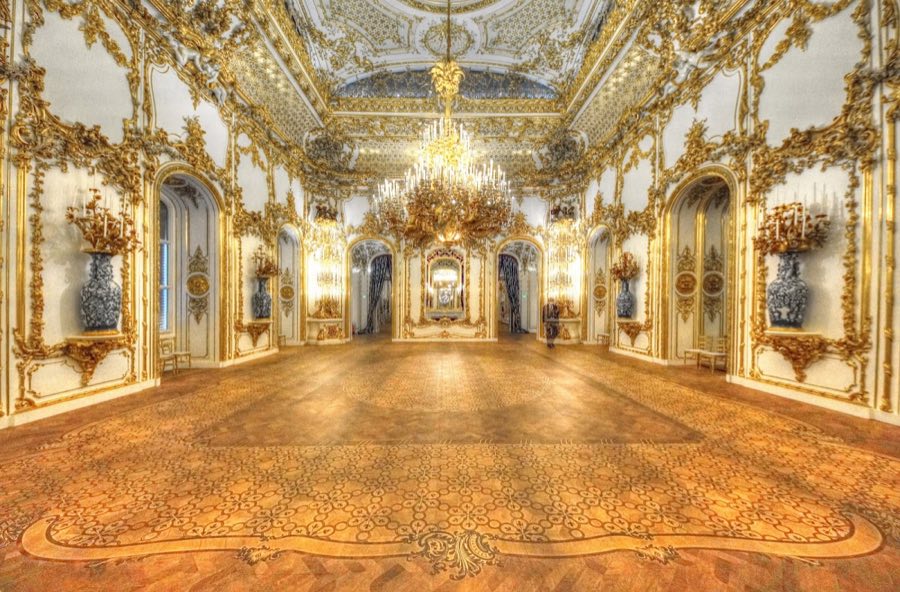
No. 98904
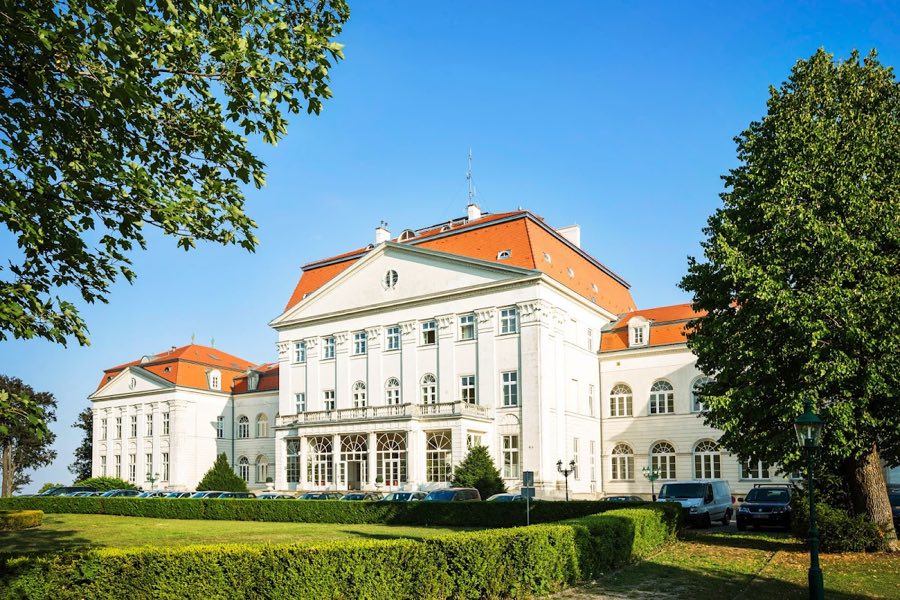
Stadtpalais Liechtenstein
Austria
PalaceRestoredFor events17th century
No. 19002
Palace · Austria
No. 19002 · 48.278 N, 16.347 E
Quick summary
Burg am Leopoldsberg is a palace in Austria with origins associated with the 14th century.
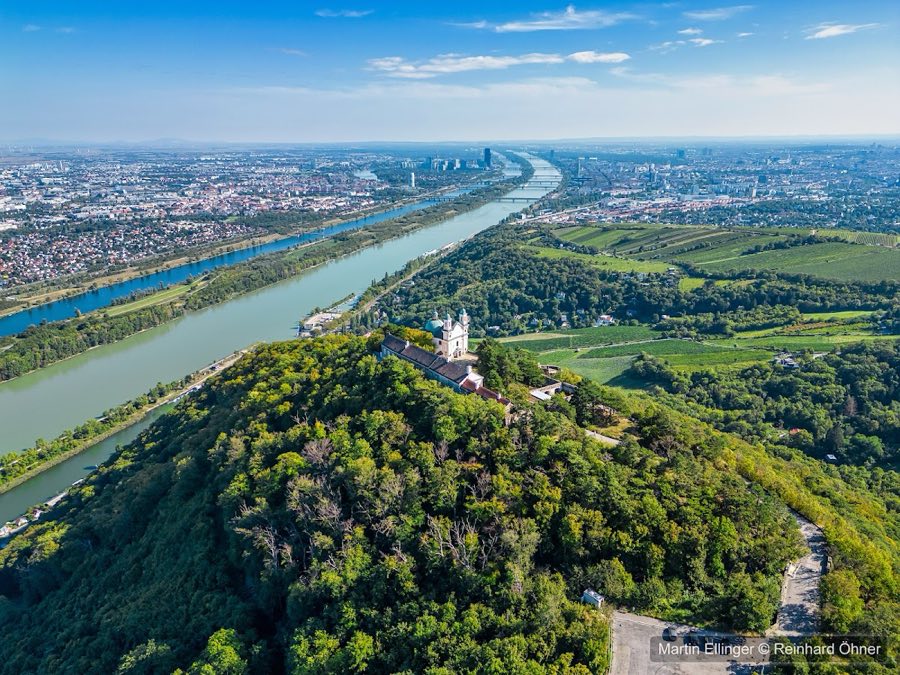
See all castles in AustriaBurg am Leopoldsberg stands on the summit of the Leopoldsberg in Vienna, Austria, and was built by the Babenberg dynasty.
The castle is believed to have been erected in the twelfth century and served as a territorial princely stronghold of the Babenbergs and, later, of the Habsburgs. Over time the site was known by the earlier name Burg Kahlenberg or Burg Kalenberg before coming to be called Burg am Leopoldsberg.
From about 1377 the castle began to decline after Albrecht III carried out major expansions at Schloss Laxenburg following the Habsburg takeover; that reorientation of resources is recorded as the start of the structure’s decay. During the First Turkish Siege of Vienna in 1529 the castle was probably blown up and in any case was largely destroyed.
In 1679 Emperor Leopold I commissioned a chapel on the hill plateau, now the Church of St. Leopold. Around 1720 Emperor Charles VI had a palace erected on the site to a design by Antonio Beduzzi. The last remains of the medieval fortress, referred to in records as the old building, were removed in 1786. In 1787 ownership of the area and its buildings passed to the Augustinian canons of Klosterneuburg, who thereafter let the premises to successive tenants.
The palace suffered a fire in 1791 and was restored. From 1794 the restored residence served Belgian field marshal Charles Joseph de Ligne, who also had the Nasenweg constructed. Over the nineteenth and twentieth centuries multiple commemorative plaques were affixed to the castle buildings. In 1948 a homecomers’ memorial was erected on the foundation of a tower. In the late twentieth and early twenty‑first centuries one building on the site operated as an excursion restaurant until its closure in 2007, and a later tenant fenced parts of the area while planning renovation. The canons announced comprehensive renovation work beginning in October 2014, with intentions for church repairs, event rooms, a Baroque garden and exhibition space. A 2016 agreement anticipated the resumption of ceremonies and concerts in the church by the end of 2017. The castle and the inner castle area, including the church, have been accessible to the public since June 2018.
The site occupies a hilltop layout typical of a Höhenburg, with an inner courtyard around which the surviving buildings stand and the Church of St. Leopold sited on the plateau. The plateau church dates to 1679 and remains a central element of the inner castle area, its presence marking the seventeenth‑century religious use of the summit.
A palace raised around 1720 to a design by Antonio Beduzzi survives in its later, restored form. That building burned in 1791 and was subsequently repaired; records note its conversion into a residence for Charles Joseph de Ligne in the 1790s and later adaptation for tenants. During the site’s recent revitalization one of the extant buildings functioned as an excursion restaurant until 2007 and an adjacent structure was renovated for use as a seniors’ residence.
Archaeological and documentary traces record remains of the medieval castle that once stood here; those remains were removed in 1786, but traces survive in the form of a tower foundation. In 1948 a homecomers’ memorial was constructed on that tower foundation, confirming the location and reuse of the tower’s footprint. Numerous memorial plaques are attached to the castle buildings, testifying to layers of commemoration added over time.
The overall condition of the ensemble reflects both loss and reuse: the medieval fabric was dismantled in the late eighteenth century, eighteenth‑century palace fabric was restored after the 1791 fire, and twentieth‑ and twenty‑first‑century interventions enclosed and prepared buildings for new functions. Since June 2018 the castle precinct together with the church has been open to the public, and the inner castle area remains the locus of the documented memorials and restored structures.
No. 98904
No. 99382
No. 74700
No. 44281
Comments
Comments for Burg am Leopoldsberg will require a verified account before posting.
We'll send a verification link before your first comment is published.