No. 96879
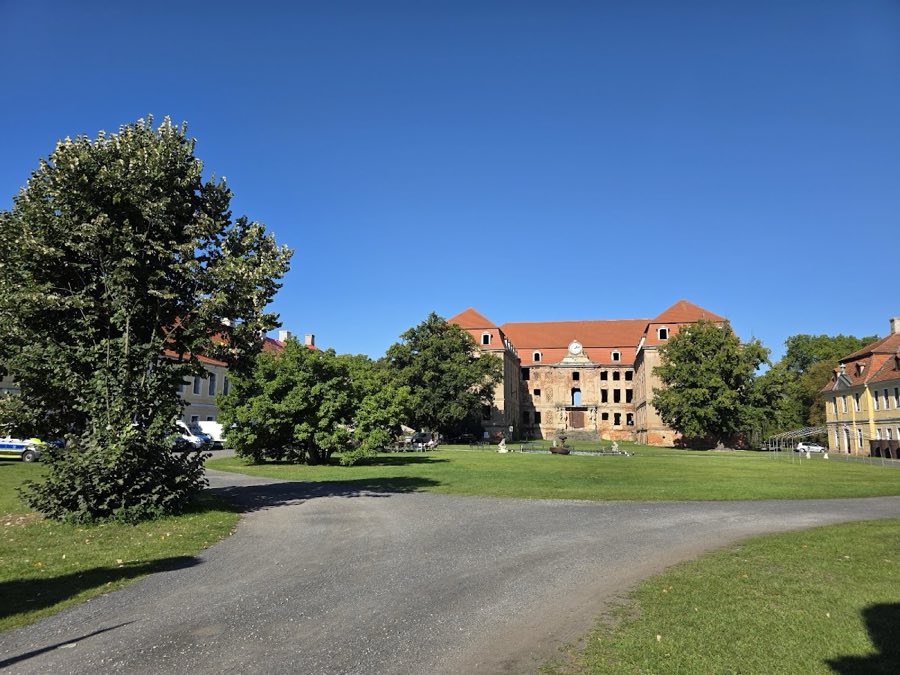
Brühl Palace, Brody
Brody, Poland
PalaceRestoredFor rent18th century
No. 59519
Castle · Germany
No. 59519 · 52.170 N, 14.252 E
Quick summary
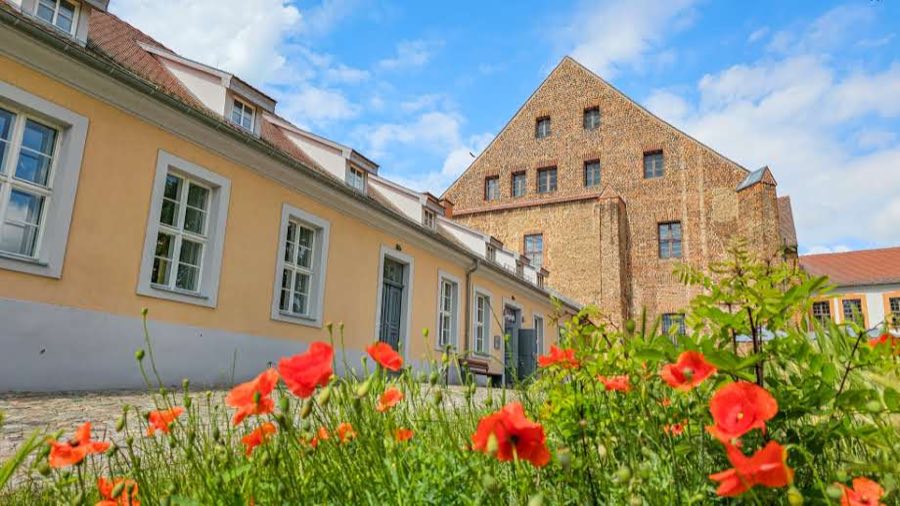
Burg Beeskow is a castle in Germany with origins associated with the 16th century.
See all castles in GermanyBurg Beeskow stands in Beeskow, Germany, and was built by medieval German nobility.
The castle appears in surviving documents from the late 13th and early 14th centuries, with one preserved record dated 1272 and another account naming it in 1316. In the medieval period the site belonged to the lords of Strehle and formed part of a cluster of water‑fortifications that defended the Beeskow–Storkow territory in the Mittelmark.
Between 1377 and 1382 the estate passed by inheritance to the Bieberstein family. In 1518 Ulrich von Bieberstein pledged the property to Dietrich von Bülow, Bishop of Lebus; the bishop undertook enlargements that converted the castle into a bishop’s residence. In the mid 16th century control changed hands again, entering the possessions of Margrave Johann I of Brandenburg‑Küstrin in 1555–1556 and, by 1575, the Electors of Brandenburg of the House of Hohenzollern.
From 1625 until 1627 the lordship, including the castle, was held in pawn by Gebhard XXIII von Alvensleben, who lived at the site during that period. After the pawn ended the Hohenzollern administration retained the complex for governmental use, and it served as an administrative building under their authority up to 1915. In that year the town of Beeskow acquired the property and used it for municipal administration and economic functions.
Combat operations in 1945 caused the east wing to burn out. After the Second World War the buildings provided accommodation for refugees from East Prussia and Silesia. In 1991 the county parliament resolved to transform the complex into a centre for culture and education; one description records a rebuilding programme running from 1991 to 1996, and another account indicates renovation and conversion work completed by 2017. The castle today houses a regional museum covering historical, ethnographic and ecological subjects, a medieval exhibition that includes a “torture cellar,” the Kunstarchiv Beeskow with roughly 23,000 objects largely from the former German Democratic Republic, and a musical museum relocated from Monschau that opened in May 2018. The museum Oder‑Spree opened in the castle galleries in June 2021. In 2022 the entire courtyard and the ramparts behind the castle were renovated. Burg Beeskow also belongs to the Strele‑Burgen group, together with the castles at Storkow and Friedland, which cooperate on cultural outreach and memory of their shared lordship history.
The site occupies an island in the River Spree and is configured as a moated castle; surviving buildings date broadly from about 1250 to 1550, reflecting several phases of medieval construction and later adaptation. The ensemble is organised around an inner courtyard and is protected by surrounding ramparts and wallworks that define the historic defensive footprint.
A prominent vertical element of the complex is a tower reaching thirty metres in height, which functions today as a viewpoint. The ensemble also contains a steward’s house that served a residential role within the compound. An administrative building, refurbished in 2018, has been adapted to cultural uses and currently contains a concert hall, a collection of musical instruments, and the museum dedicated to the Oder and Spree.
The east wing was destroyed by fire during fighting in 1945 and remains recorded as having burned out at that time. Other structures have been renovated and converted for museum and cultural purposes, reflecting the 1990s and later rebuilding efforts that returned the complex to civic use. The courtyard and the ramparts received sanitation and renovation work in 2022, stabilising and presenting the island plan and the surrounding defensive earthworks as they survive today.
No. 96879
No. 93571
No. 95615
No. 19407
Comments
Comments for Burg Beeskow will require a verified account before posting.
We'll send a verification link before your first comment is published.