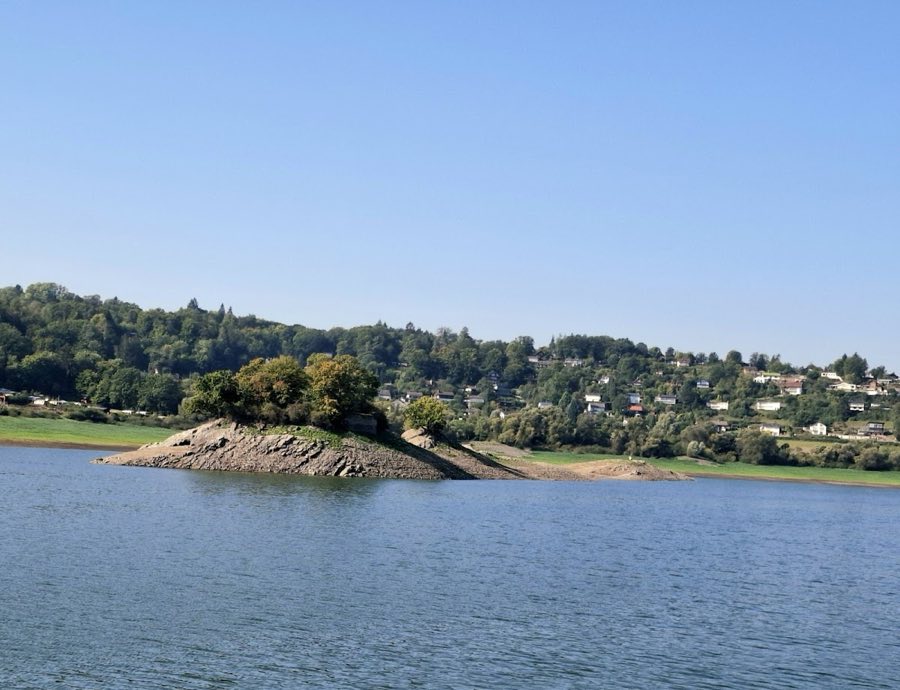
No. 42841
Burg Bring
Germany
CastleRuin12th century
No. 24467
Castle · Germany
No. 24467 · 51.148 N, 8.802 E
Quick summary
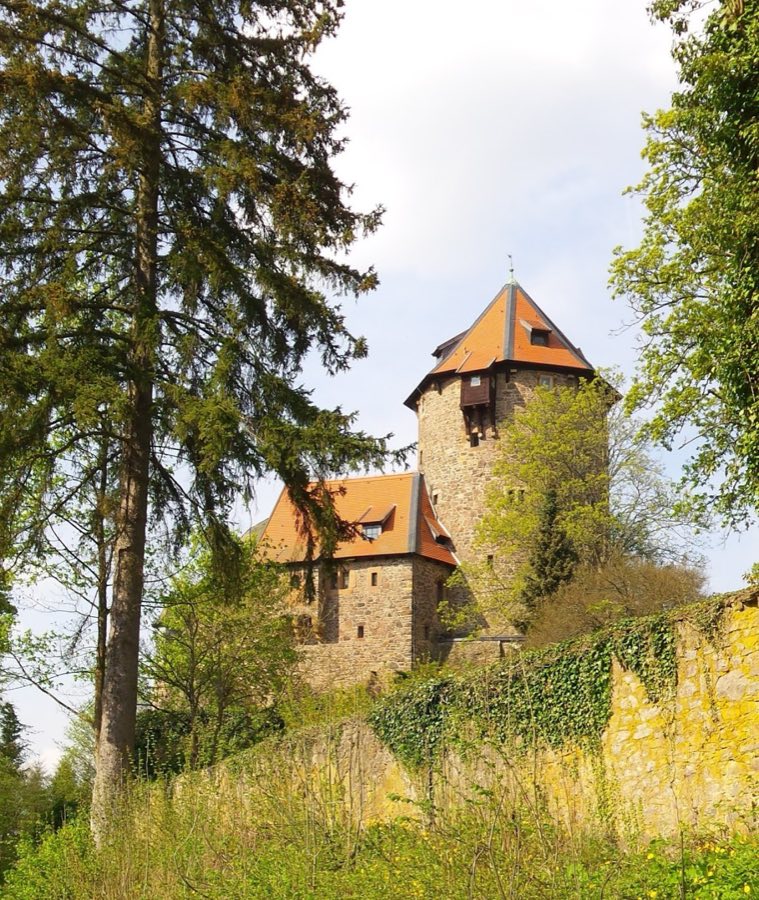
Burg Lichtenfels is a castle in Germany with origins associated with the 14th century.
See all castles in GermanyBurg Lichtenfels in the municipality of Lichtenfels, Germany, was established by the monastic community of Corvey in the medieval period.
The first fortification was raised in 1189 under Abbot Witukind von Spiegel as a hilltop stronghold to protect Corvey’s lands, but this initial structure was destroyed soon after its founding. The site was rebuilt in the years 1223 to 1230 under Abbot Hermann I, when the castle again served the abbey’s territorial interests.
On 21 July 1267 Corvey handed the castle over as a pledge to Count Adolf I of Waldeck. Armed conflicts in 1297 resulted in Corvey conceding full possession to Count Otto I of Waldeck. Documentary records identify the family Nymmes among the castle’s Burgmann families and pledge-holders, and from 1413 the castle became the long-term seat of a branch of the Herren von Dalwigk, who acted as vassals of the Waldeck counts.
A medieval settlement with a church stood in the valley beside the castle. That village appears in documents under different names: as Eisenbeck in a 14th-century record and again in the late 18th century, and as Ensenbecke in 1598. The modern village of Dalwigksthal was established in 1851 on the site of that valley settlement.
During the 16th and 17th centuries the Archbishops of Cologne, acting as Dukes of Westphalia, repeatedly asserted claims over nearby places such as Münden, Neukirchen, and Rhadern, producing prolonged confrontations. In the course of those disputes the castle was reportedly destroyed by the early 17th century. A partial rebuilding took place in 1631.
A substantial restoration was carried out between 1908 and 1914. In the 1960s the renovated castle served as a recreation home for the Anker-Werke. In the late 1980s entrepreneur Tan Siekmann purchased the property and undertook a careful restoration. The building then housed the company Biodata until the firm’s bankruptcy in 2001. Since 2004 the Siekmann family has lived at the castle, which also serves as the headquarters of the company Safe-com.
Burg Lichtenfels occupies a defensive position on a narrow hill spur about 700 metres east‑southeast of the village of Dalwigksthal. The site is a classic hill castle, placed at roughly 383 metres above sea level on the northeastern shoulder of the Eisenberg, and it commands views down into the wooded, winding valley carved by the Orke stream.
The castle’s relationship to the valley is a defining feature of the surviving site. The fortress stands above the point where the Orke descends into the locally named Waldeck “Switzerland” and is set amid forested slopes and the meandering river valley; the Orke here receives water from the Wilden Aa (Aar). These landscape features are part of the castle’s archaeological context and explain its original siting as a hilltop defensive position.
The standing fabric reflects repeated episodes of rebuilding and repair. The site was reconstructed in the early 13th century, partly rebuilt in 1631, substantially restored in the years 1908 to 1914, renovated again in the 1960s, and carefully restored after its purchase in the late 1980s. The overall condition today is restored and in active use as a residence and company headquarters. The long sequence of interventions is evident in the castle’s preserved form and its continuous adaptation from a medieval fortress to modern occupation.
Archaeological and documentary evidence also tie the castle to the adjacent valley settlement and its church, indicating a focal point of habitation and administration below the hill over many centuries. The valley community is recorded under several names across the historic record, and the modern village that grew there was founded in 1851, preserving the visible relationship between the lower settlement and the castle above.
No. 42841
No. 77514
No. 69244
No. 87849
Comments
Comments for Burg Lichtenfels will require a verified account before posting.
We'll send a verification link before your first comment is published.