No. 39255
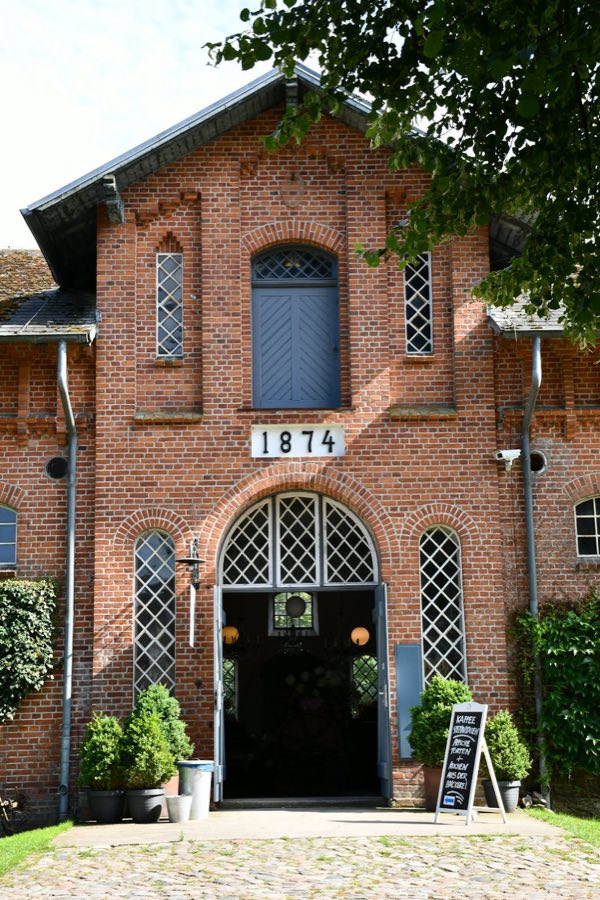
Traventhal House
Germany
Manor houseRuinFor events18th century
No. 76228
Castle · Germany
No. 76228 · 53.646 N, 10.468 E
Quick summary
Burg Linau is a castle in Germany with origins associated with the 13th century.
See all castles in GermanyBurg Linau is located in the municipality of Linau, Germany, and was originally built by the robber knights of Scharpenberg near the end of the 13th century. The castle was strategically positioned to oversee the historic trade route between Hamburg and Lübeck, allowing its occupants to regulate and monitor the flow of merchants and travelers.
The earliest mention of the site dates back to 1230, but its fortified construction is attributed to the late 1200s. Around 1291, several regional powers, including Wendish princes, local cities, and the Dukes of Lauenburg, joined forces to eliminate the threat posed by the Scharpenbergs, who used the castle for raiding. The knights were pressured into dismantling their own stronghold but eventually restored it by 1308.
In 1312, Burg Linau proved its resilience when it withstood an assault led by Count Gerhard II of Holstein-Plön, who employed siege engines in an attempt to capture it. Despite further defense efforts, raids continued to plague the region. To counter this, Count Johann the Mild constructed nearby Schloss Trittau in 1326; however, the robber knights persisted in their activities despite this new opposition.
Hamburg and Lübeck mounted another attack in 1338, but their efforts were again unsuccessful. In 1344, the Dukes of Saxony-Lauenburg purchased the castle from the Scharpenbergs, temporarily halting the disturbances. Nevertheless, the robbers managed to seize the fortress once more in 1347, coming from Schloss Dartsingen.
The situation culminated in 1349 when a substantial coalition, including Holstein counts, the Duke of Lauenburg, and forces from Hamburg and Lübeck, laid siege to Burg Linau with an army numbering approximately 2,500 soldiers. After a three-week siege, the Scharpenbergs surrendered the stronghold on September 23. Following the surrender, 1,500 troops from Hamburg and Lübeck systematically demolished the castle’s walls and tower, effectively reducing it to ruins.
Despite losing the fortress, the Scharpenbergs retained ownership of the surrounding lands. Over time, the castle remained in ruins, with foundations surviving beneath the surface, until recent archaeological work uncovered more details about its history.
Burg Linau was built as a motte castle, a type of fortification constructed atop an elevated earth mound called a motte, which in this case rises approximately 3.5 meters high. The castle’s footprint spans roughly 500 meters in length by 100 meters in width, not including outlying areas used for economic purposes.
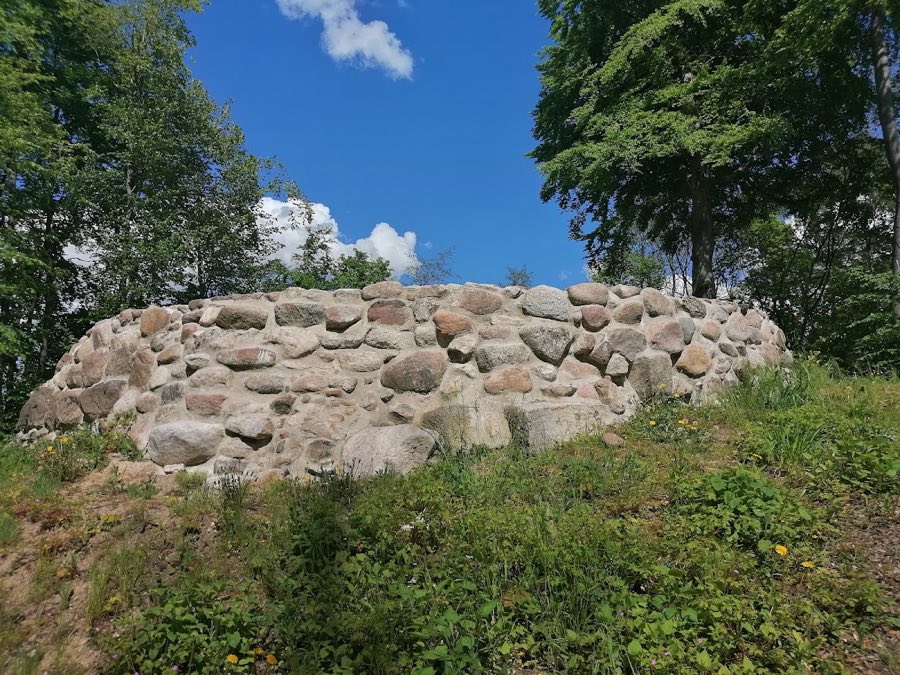
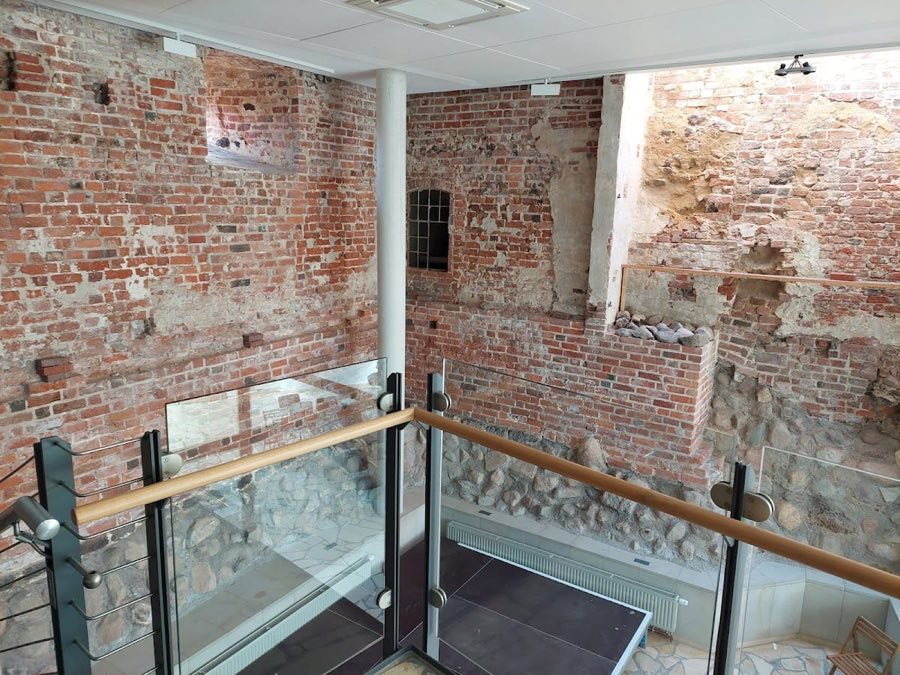
At the heart of the site stood the bergfried, a main defensive tower typical of medieval castles. Its foundation walls, still visible today, are over two meters thick and were composed of unshaped glacial stones, known as erratics, set together with a local limestone from Segeberg. This solid stone masonry distinguishes Burg Linau from many other castles in Schleswig-Holstein, where wooden motte castles were more common from the 11th through the 15th centuries.
A moat surrounded part of the castle and was connected to the nearby Bille River, a defensive feature that remains partially visible. Archaeological excavations carried out in 2018 confirmed the castle’s destruction through the discovery of a distinct layer of burned material at the site. These investigations also revealed a brick kiln later integrated into the tower’s foundation walls, suggesting some form of reuse or modification after the original stone structure was damaged.
Today, the surviving foundations of the bergfried and portions of the moat offer tangible evidence of the castle’s former presence. The restoration work carried out on these remains has helped protect and clarify the layout of this medieval fortress. The ruins stand as a rare example of stone defensive architecture in the region, contrasting with the more ephemeral wooden constructions once widespread nearby.
No. 39255
No. 76937
No. 71138
No. 66314
Comments
Comments for Burg Linau will require a verified account before posting.
We'll send a verification link before your first comment is published.