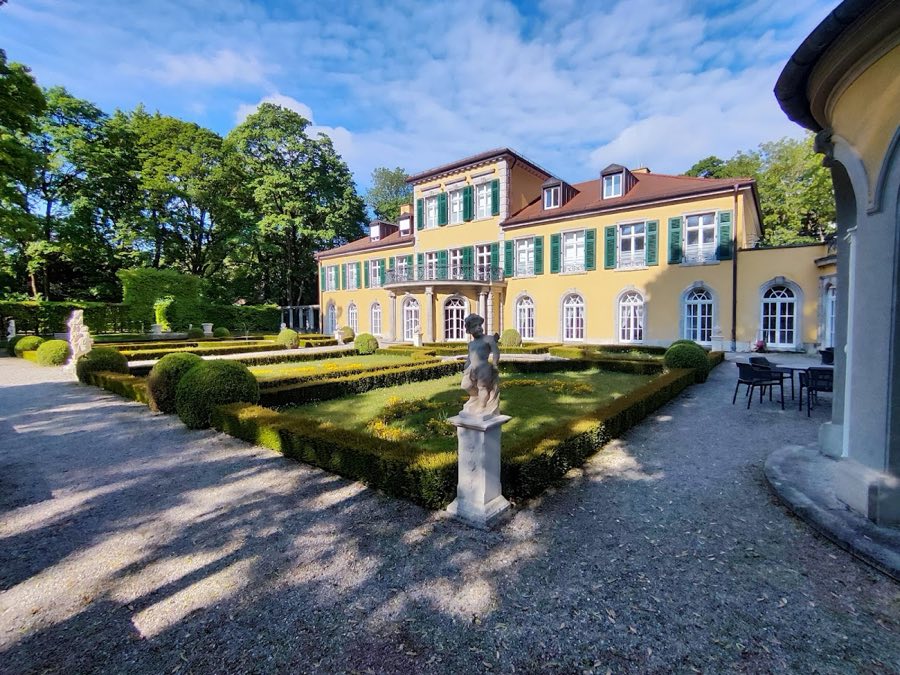
No. 40118
Castle Suresnes, Munich
Munich, Germany
ChâteauIntactFor events18th century
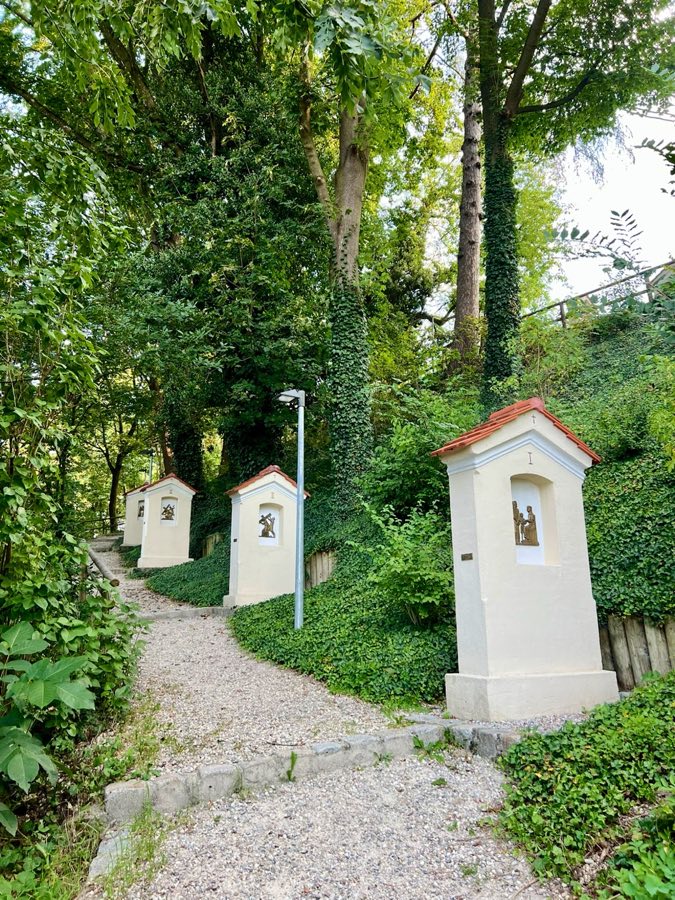
No. 66555
No. 66555 · 48.406 N, 11.991 E
Quick summary
Burg Wartenberg is a castle in Germany with origins associated with the 9th century.
See all castles in GermanyBurg Wartenberg in Wartenberg, Germany, began as a hilltop refuge used by Hungarian forces around AD 900–1100.
Around 1116–1120 Otto V of Scheyern‑Wittelsbach erected a stone stronghold on a place then called monte Wartenberc. After that construction, Wartenberg became a key local center for Wittelsbach possessions, and members of the family sometimes adopted the place name as part of their identity. From about 1180 the castle served as a focal point for the Wittelsbach duchy of Bavaria, and it was enlarged during this period. Count Palatine Otto VI is recorded as acting at the castle in 1180, and his widow Agnes of Loon died there in 1191.
The castle burned at the end of the twelfth century. Duke Ludwig the Kelheimer subsequently moved his main residence first to Kelheim and, beginning in 1204, to the new fortress at Trausnitz in Landshut. The timing of the castle’s destruction has been linked to the murder of King Philip of Swabia by Otto VIII of Wittelsbach on 21 June 1208, and in 1209 Duke Ludwig is reported to have had Otto’s fortress at Wittelsbach slighted.
During the fourteenth century the site ceased to be a military stronghold. In 1373 the former castle area was handed over to the market of Wartenberg for settlement, and in the fifteenth century the fortifications were dismantled except for the chapel dedicated to Saint Nicholas. A hunting lodge was built on the southern outer work in the early fifteenth century and it was enlarged in 1579–1580. A Classicist memorial stele was placed on the former castle plateau in 1855. Excavations carried out in 1978–1979 confirmed the site’s origin as a Hungarian refuge in the tenth century. The location and its surviving monuments are registered with the Bavarian conservation authorities under official monument numbers.
The castle occupied a roughly rectangular plateau measuring about 100 by 70 metres, laid out as a main enclosure with a forward ward immediately in front. The raised and terraced ground of the plateau records the earthworks of the medieval fortification, and archaeological investigation has demonstrated the site’s long history beginning in the tenth century. The surface of the castle plateau is formed by artificial terraces that mark the footprint of the former enceinte.
A neck ditch on the northeast side of the main enclosure remains clearly visible and demonstrates how the defenders used the terrain to protect the core of the settlement. South of the main enclosure an outer defensive work occupied a separate hill and was separated from the main castle by a ditch; the hunting lodge constructed in the early fifteenth century stands on that southern work and was enlarged in the late sixteenth century, showing later reuse of the castle’s defensive position for leisure and hunting.
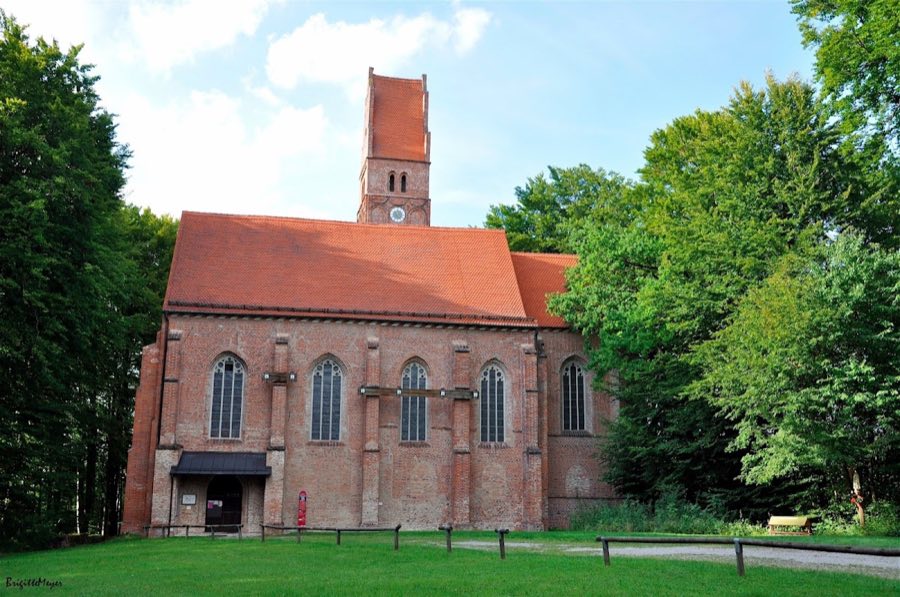
The chapel of Saint Nicholas occupies the northwest corner of the former castle site. Built about 1250 on the place of an earlier chapel, the building is a small brick hall with an apse and a west tower. The south entrance preserves a Romanesque tympanum that depicts a dragon and a lion flanking a tree. The chapel received Baroque alterations in 1619 and carries architectural elements dated to the twelfth through fifteenth centuries, including a tower with stepped arcading and a pointed roof; it retains historic interior fittings. A Classicist limestone memorial stele on a three‑step pedestal, erected in 1855, marks the castle plateau.
Archaeological excavations by the Bavarian State Office for Monument Preservation in 1978–1979 confirmed early medieval occupation and the site’s function as a Hungarian refuge in the tenth century. The former castle site is recorded as archaeological monument D-1-7537-0064, the chapel as building monument D-1-77-143-3, and the 1855 memorial stele as building monument D-1-77-143-17.
No. 40118
No. 55421
No. 90537
No. 11948
Comments
Comments for Burg Wartenberg will require a verified account before posting.
We'll send a verification link before your first comment is published.