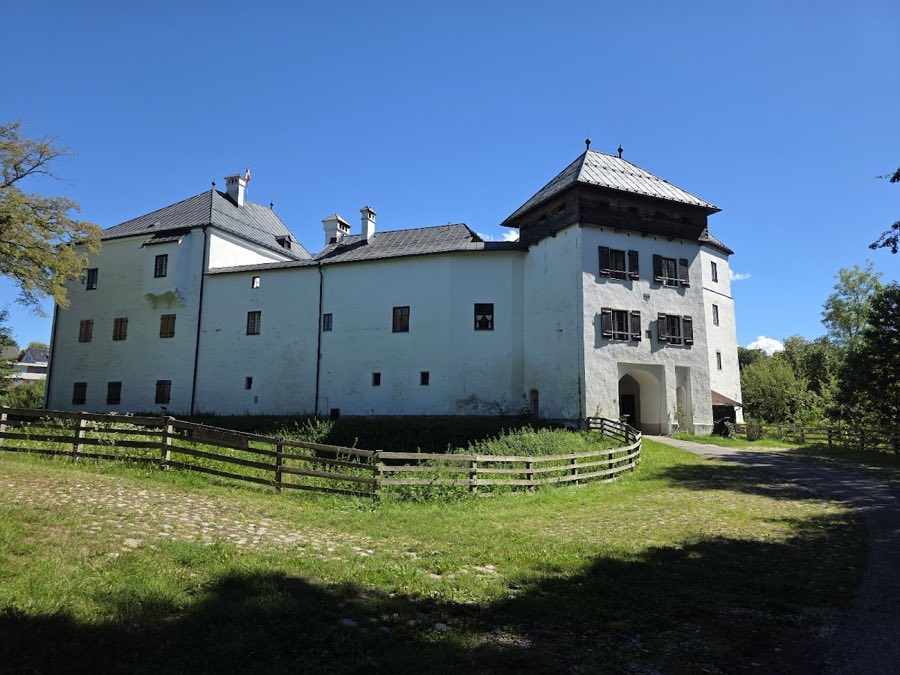
No. 41830
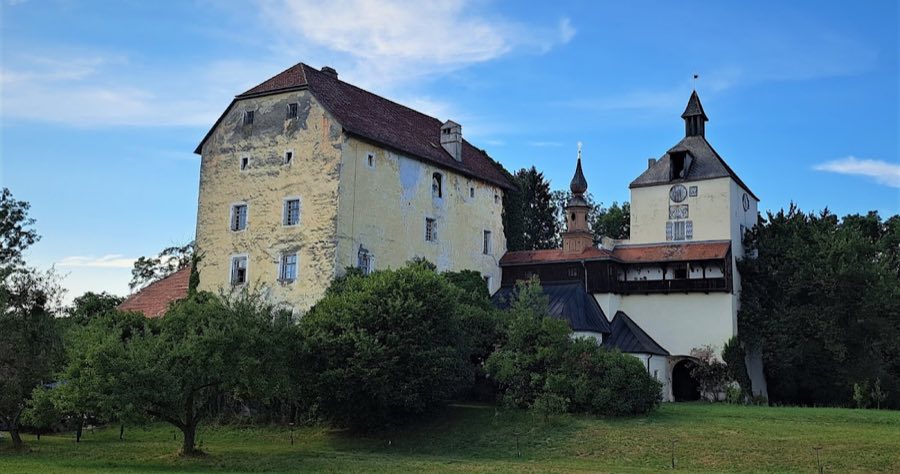
Schloss Wildshut
Austria
CastleRestored14th century
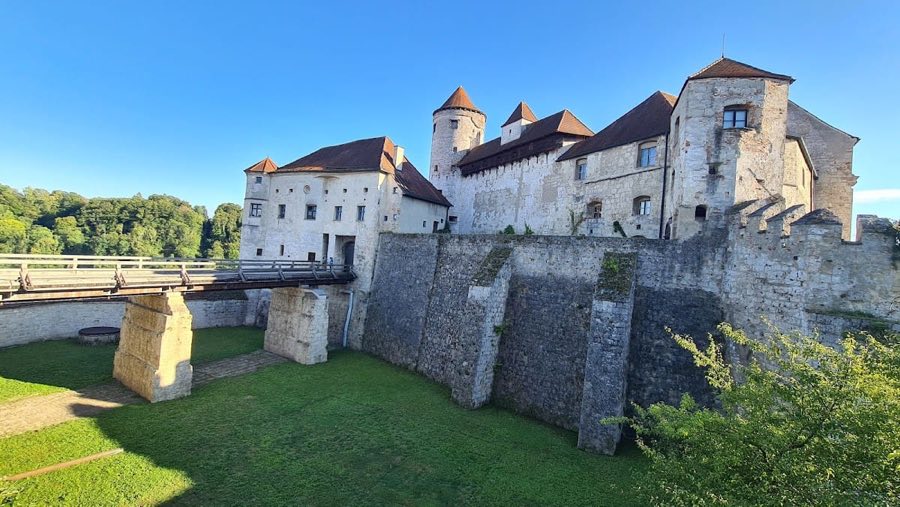
No. 29490
Castle · Germany
No. 29490 · 48.156 N, 12.829 E
For events
Burghausen Castle is marked as a château or castle venue lead. Capacity, indoor/outdoor spaces, catering rules, and accommodation options are published only after public verification.
Event types: Weddings, Private events, Cultural gatherings, Filming and photography
Ceremony spaces: Ceremony setting to verify
Quick summary
Burghausen Castle is a castle in Germany with origins associated with the 11th century.
See all castles in GermanyBurghausen Castle stands on a ridge above the town of Burghausen in Bavaria, near the Austrian border. Its site has been occupied since the Bronze Age, around 1600 BCE, as shown by pottery shards, tools, and a dry stone wall. Later, Celtic and Roman peoples inhabited the area, evidenced by Celtic fibulae and coins, and Roman coins from emperors Marcus Aurelius to Constantine. The settlement controlled the salt trade along the Salzach River, an important economic activity in the region.
The castle itself is first mentioned in 1025 as imperial property. It initially served as the seat of the Counts of Burghausen, a branch of the Sieghardinger family. In 1168, the Wittelsbach family took possession. Significant expansion began under Duke Otto I of Bavaria after 1180, marking the castle’s rise as a ducal stronghold.
Following the division of Bavaria in 1255, Burghausen became the secondary residence of the Dukes of Lower Bavaria. From 1392 to 1503, it was especially important to the Bavaria-Landshut line. Dukes Heinrich, Ludwig, and Georg the Rich undertook major expansions and fortifications, transforming the castle into a large residence and fortress. The 1475 Landshut Wedding, a notable dynastic event, is commemorated in the castle’s decorations.
After the Landshut War of Succession in 1504–15, the castle lost its status as a ducal residence. It was then used by princes and later converted into a military garrison from 1763 until 1891. During the Thirty Years’ War, Swedish Field Marshal Gustav Horn was imprisoned in the castle’s dungeon. The 1779 Treaty of Teschen made the castle a border fortress after the Innviertel region was ceded to Austria.
Around 1800, French troops destroyed the northern outer defenses during the Napoleonic Wars. Napoleon declared the fortress obsolete in 1809. The Bavarian army dissolved its garrison in 1893, and local citizens prevented the castle’s demolition. Restoration efforts began in 1896 and intensified from the 1960s onward. Archaeological excavations between 2002 and 2004 uncovered medieval and earlier remains. Today, the castle is mostly owned by the Free State of Bavaria and houses several museums.
Burghausen Castle is a ridge castle stretching over one kilometer along a narrow hilltop at 420 meters above sea level. It is Europe’s longest castle complex, built mainly from tuff blocks, a type of travertine stone. The complex consists of six courtyards arranged linearly from south to north, with the main castle at the southern end.
The first courtyard contains the oldest surviving medieval structures. These include the Palas, the ducal residence with late Romanesque and Gothic features such as rib vaults and oak beam ceilings. The Dürnitz, a large two-aisled hall with a back-loading stove, served as a dining and gathering space. The Kemenate, a three-story residential building for the duchess’s court, dates to the 13th century and features late Gothic vaults and 16th-century wooden ceilings. The inner castle chapel, built in 1255, is the oldest early Gothic church in southern Bavaria and contains 14th-century frescoes, a choir altar from 1524, and a bell from 1474. The castle gate complex includes the Elsbethen Gate with a seven-story keep (bergfried) and a shield wall equipped with a portcullis.
The second courtyard once housed a large stable for over 100 horses and a bakery, though much of it was demolished for military exercises. The Georg Gate, built in 1494, marks the northern boundary and displays a late Gothic coat of arms commemorating the Bavarian-Polish alliance linked to the 1475 Landshut Wedding.
In the third courtyard stands a three-story arsenal building from at least 1427, constructed of tuff blocks. It stored grain on the upper floor and weapons below, including 185 artillery pieces recorded in 1533. Three small gun turrets called “Pfefferbüchsen” flank the arsenal. A smithy was also part of this courtyard.
The fourth courtyard contained a large stable known as the Haberkasten, built between 1387 and 1427, which was demolished in 1878 and later rebuilt as a youth hostel. This area also includes the Aventinus House, a former defensive tower, and the Folterturm or torture tower. The Folterturm now serves as a museum displaying early modern torture devices and preserves the castle dungeon.
The fifth courtyard features the well-preserved late Gothic Hedwig Chapel, built in 1489 by Duchess Hedwig and Duke Georg. It is notable for its rib vaults over a curved plan, red marble columns, sandstone statues, and late medieval votive reliefs. The chapel contains a late 15th-century altar retable on loan from the Bavarian National Museum.
The sixth courtyard is broader and more densely built, with three 14th-century defensive towers converted into administrative offices during the 16th to 18th centuries. It includes the Kanzler Tower and the Christophs Gate, which provides access to the town.
Defensive features throughout the complex include multiple outer wards (zwingers), a deep moat now filled in, a long battlemented wall, and a powder tower from around 1500. The powder tower has walls up to five meters thick, four stories, and a deep well to supply water during sieges.
Archaeological excavations beneath the Dürnitz uncovered early medieval graves and wall remains, which are now visible in the visitor center. The castle’s buildings have undergone many changes, including expansions in the 15th and 16th centuries, military upgrades in the 18th century, demolitions in the 19th century, and restorations in the 20th century aimed at reversing some later alterations.
Decorative elements include painted coats of arms from 1523, frescoes depicting the Three Magi, and heraldry celebrating dynastic marriages. The castle today houses several museums within the Palas, Kemenate, and other buildings, alongside public amenities such as a café in the second courtyard.
No. 41830
No. 46312
No. 94652
No. 51650
Comments
Comments for Burghausen Castle will require a verified account before posting.
We'll send a verification link before your first comment is published.