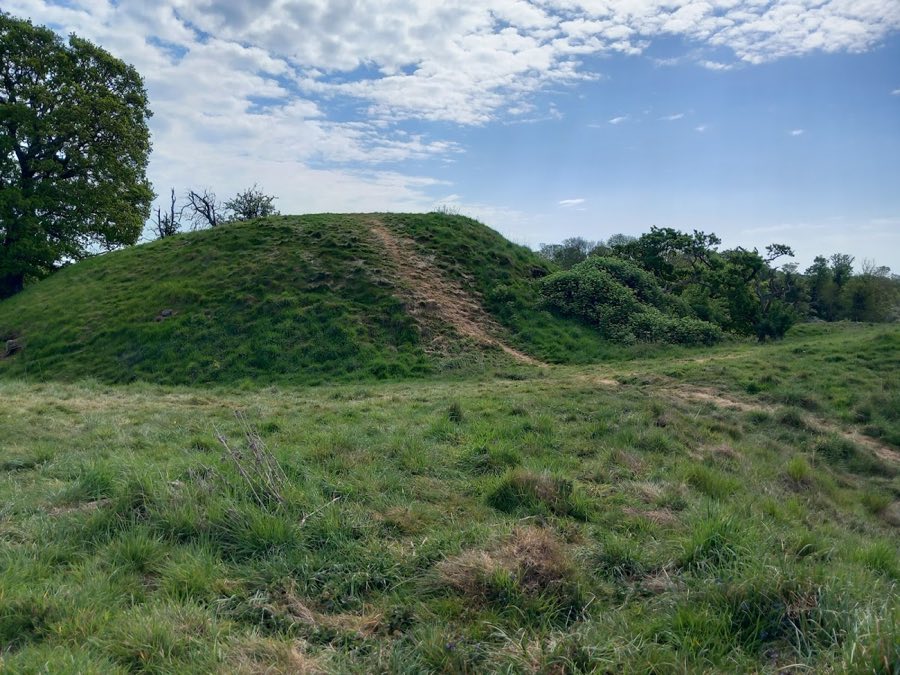
No. 79280
Cainhoe Castle
United Kingdom
CastleRuin14th century
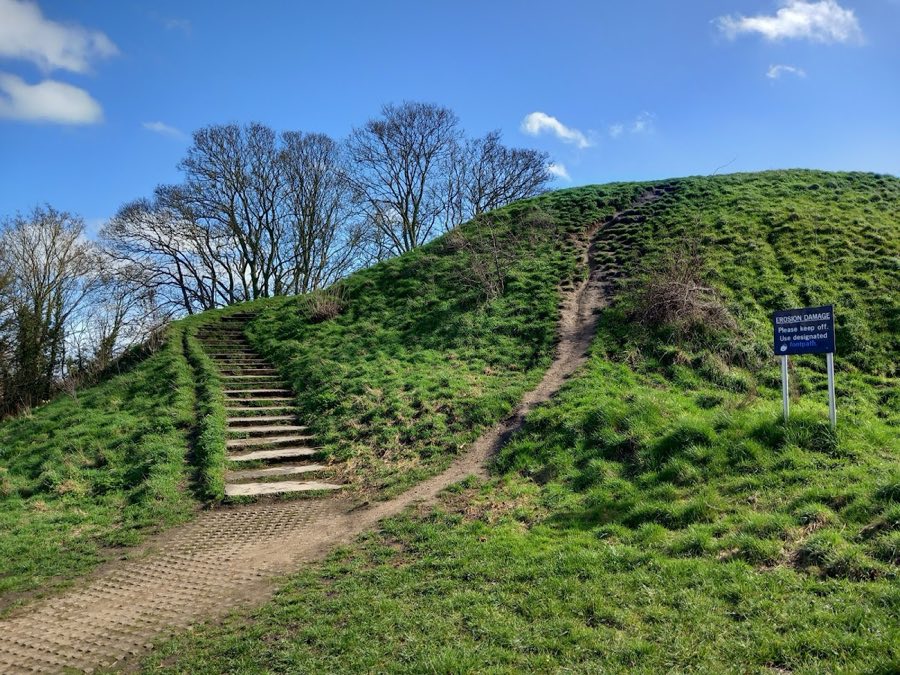
No. 42582
Castle · United Kingdom
No. 42582 · 52.212 N, 0.115 E
Quick summary
Cambridge Castle is a castle in United Kingdom with origins associated with the 12th century.
See all castles in United KingdomCambridge Castle in Cambridge, United Kingdom, was constructed by the Normans.
Soon after the Norman invasion, around late 1068, work began on a motte-and-bailey stronghold within the town, carried out under the direction of Picot, the county’s high sheriff appointed by William the Conqueror. Creating space for the fortification required the clearance of a number of town houses. The castle took an active role in the civil strife of the 12th century. During the Anarchy, Geoffrey de Mandeville seized the site in 1143 and King Stephen recaptured it in 1144; Stephen also ordered additional defensive works at Burwell to support the castle.
Under Henry II the fortress was kept in service and a system of castle-guard obligations was introduced, while the castle also functioned as the sheriff’s court and the place where official records were held. In the years before the First Barons’ War, King John paid for building works including a new hall and a royal chamber at a recorded cost of £200. Rebel barons took the castle in 1216, and it returned to royal hands after the conflict ended.
Henry III carried out routine repairs, and after an attack in 1266 the king reinforced the town’s defences by cutting a large ditch that later became known as King’s Ditch. From 1284 Edward I began a major programme of rebuilding in stone that continued for about fourteen years and cost at least £2,630; this campaign included the erection of a circular stone keep on the motte, and Edward I is recorded as having stayed at the castle in 1294.
From the later medieval period the stronghold declined. By the 15th century the main hall and royal chamber were roofless and, in 1441, Henry VI ordered those buildings dismantled and their stone transferred to the construction of King’s College. Further masonry from the castle was allocated in the 16th century to Trinity College chapel, to a mansion at Sawston under Mary I, and to Emmanuel and Magdalene Colleges. By 1604 the jail housed in the gatehouse and the keep were the principal standing structures.
Parliamentary forces occupied the site in 1642 during the English Civil War. Oliver Cromwell authorised emergency repairs and troops added two earthwork bastions and a brick barracks within the bailey. In 1647 Parliament ordered the remaining fortifications to be slighted. Later removals of walls and earthworks took place in 1785, while the gatehouse continued to serve as the county jail into the 1800s, its keeper receiving an annual payment of £200 in 1807.
Between 1807 and 1811 a new county prison was built in the former bailey to designs by G. Byfield, an unusual octagonal brick building influenced by the prison reformer John Howard. The old gatehouse was taken down to allow construction of a new county court. The 19th-century infirm and jail buildings were themselves demolished in the 20th century, the brick prison being removed in 1932 and Shire Hall erected on the bailey site in the same year. The motte and remaining earthworks have been recorded as scheduled ancient monuments and the site is open daily to the public.
The site preserves the layout of a motte-and-bailey castle placed within the medieval town, with the motte occupying the highest ground in the city. The motte is a large, earthen mound rising to about ten metres and provided the elevated platform for a keep during the stone rebuilding of the late 13th century. The mound’s soil construction reflects the original Norman practice of raising a defensible height within an urban setting, and it now offers clear views over the surrounding historic streets.
Around the motte fragments of the original surrounding earthworks survive. These earthworks include traces of defensive banks and hollows related both to the medieval bailey and to later modifications. The large defensive ditch cut after 1266, which became known as King’s Ditch, altered the town’s perimeter and is recorded as part of the castle’s extended defences; the ditch and the adjacent banks have been adapted and reshaped at different times, including during Civil War improvements.
Edward I’s stone programme produced a four-sided enclosure with circular corner towers, a fortified gate and an outer barbican, and placed a circular stone keep on the motte. The plan and the presence of a ring of corner towers and a gatehouse are recorded features of that rebuilding, while the circular keep occupied the summit of the mound. Much of the medieval dressed stone was later removed and reused for building projects elsewhere, and today the motte and small lengths of earthwork remain as the principal witnesses to the castle’s medieval masonry.
Evidence of Civil War activity survives in records and in landscape form. Two earthwork bastions were constructed in the bailey and a brick barracks was erected to house troops during the 1640s; those earthworks and the later traces of barrack foundations reflect the emergency repairs and additions authorised during Parliamentary occupation. In the early 19th century G. Byfield’s octagonal county prison was built in brick within the former bailey, showing the site’s reuse for civic and penal purposes; that 19th-century building was removed in 1932 when Shire Hall was built on the same footprint.
The castle’s stone was reused for a number of local buildings, and documentary records note that masonry from the hall and chamber removed in 1441 was delivered to King’s College, with further allocations in the 1500s to Trinity College chapel, a Sawston mansion, and to Emmanuel and Magdalene Colleges. Today the motte and surviving earthworks are recorded as protected scheduled ancient monuments and stand as the tangible remains of the site’s long and varied history.
No. 79280
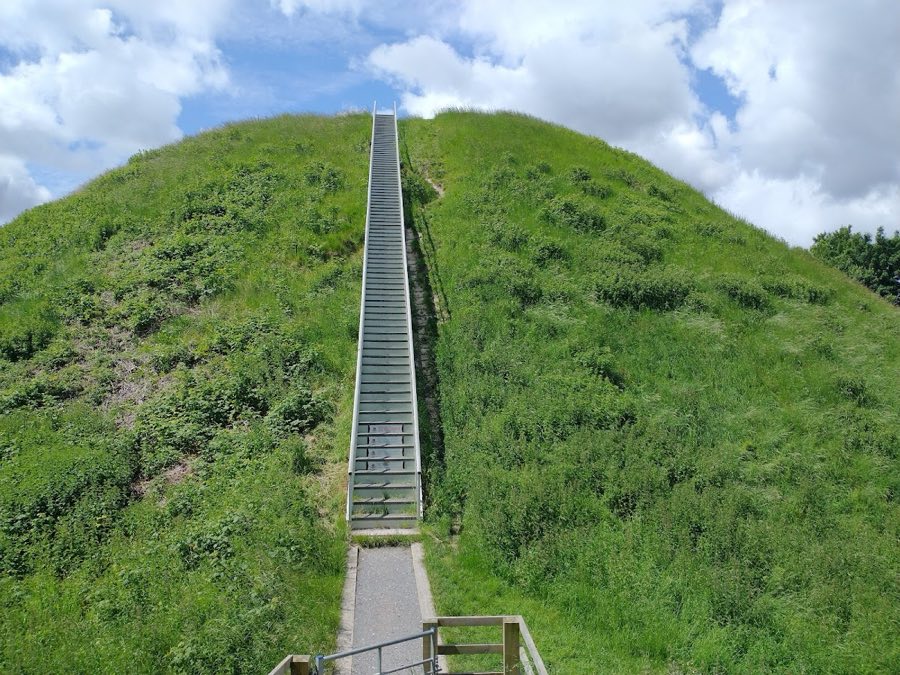
No. 14556
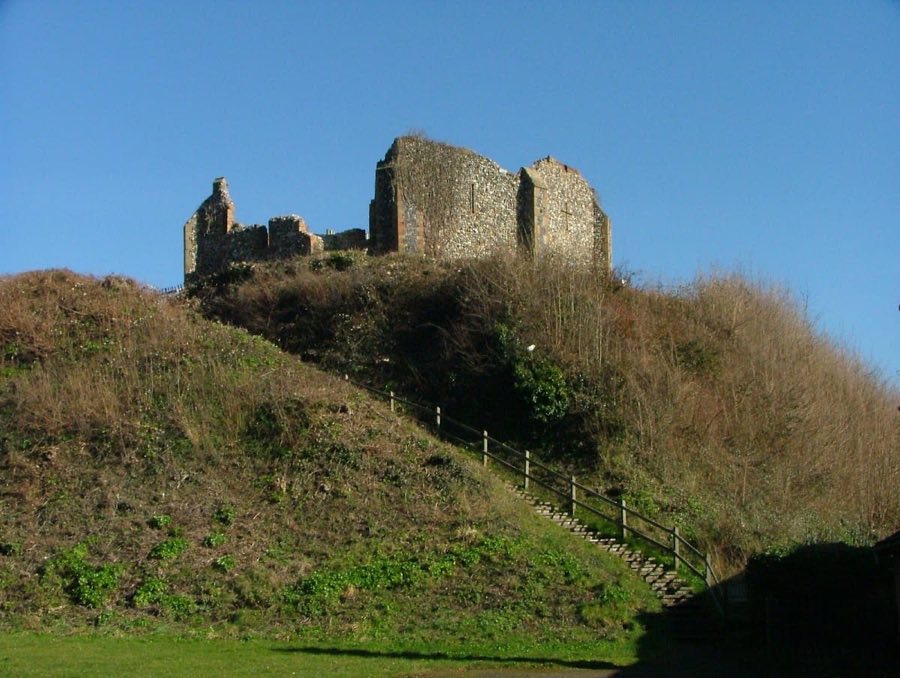
No. 59573
No. 94412
Comments
Comments for Cambridge Castle will require a verified account before posting.
We'll send a verification link before your first comment is published.