No. 34649
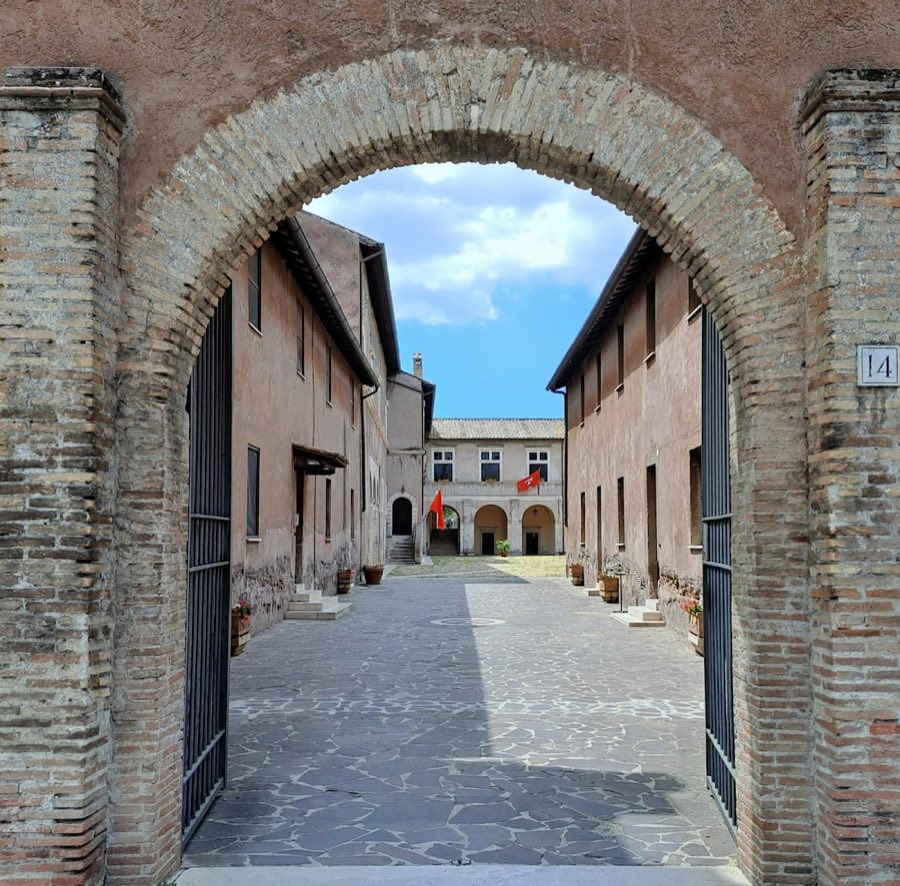
Castello della Magliana
Italy
CastleRestored15th century
No. 80154
Castle · Italy
No. 80154 · 41.818 N, 12.507 E
Quick summary
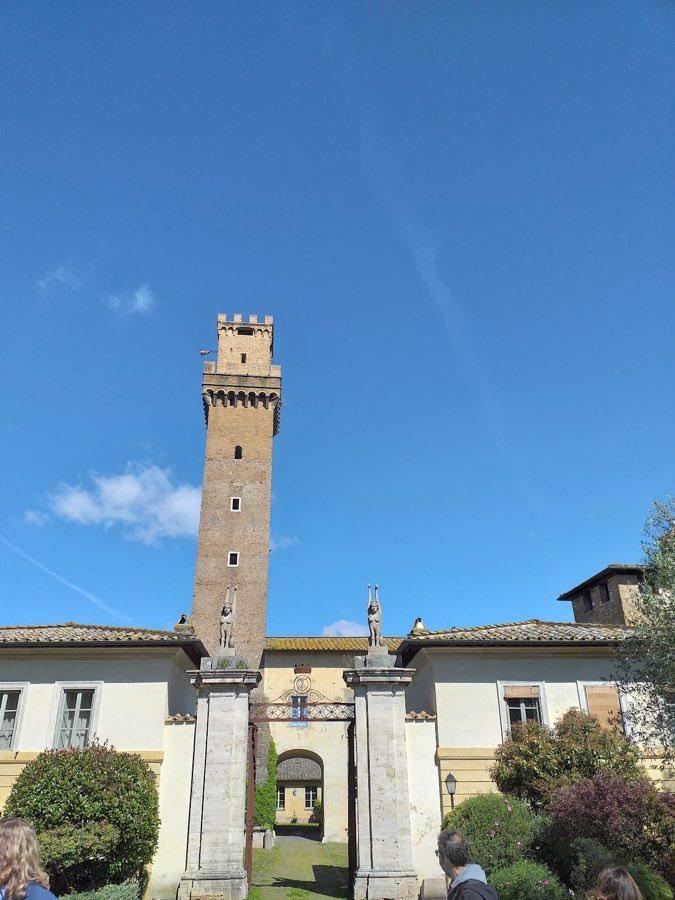
Castello della Cecchignola is a castle in Italy with origins associated with the 15th century.
See all castles in ItalyCastello della Cecchignola is located in Rome, Italy, within the modern Giuliano-Dalmata district. The site’s origins trace back to ancient Roman times, when the area was outside the city’s original walls and served as a rural villa zone for wealthy Roman families during the Republican period, roughly between the 2nd and 1st centuries BCE.
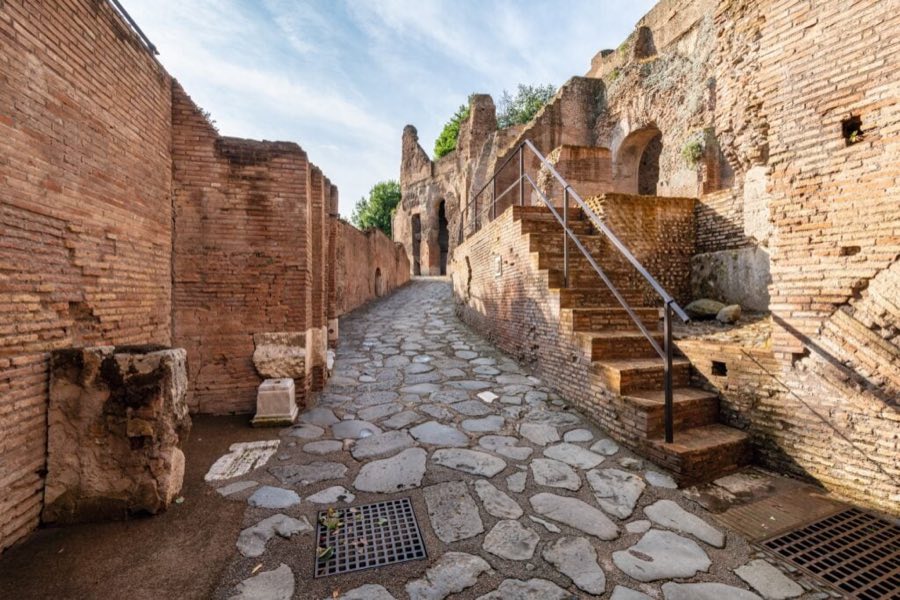
During the Roman Republic, the area hosted countryside estates, as evidenced by archaeological finds nearby, including a Republican-era domus (a Roman house). This residence contained a mosaic emblem preserved today in the National Roman Museum at Palazzo Massimo. The discovery of Roman road layers embedded in the castle structure suggests a continuity of occupation and reuse of materials linked to ancient roadways like the nearby Via Ardeatina.
The first documented reference to the property appears in 1217, described in a papal decree by Pope Honorius III under the name “Cicomola.” This name is recognized as an earlier form of Cecchignola. Over the next centuries, ownership shifted among several notable figures and entities. The Capizucchi family acquired the land, followed by Cardinal Basilio Bessarione in the mid-15th century. Ownership was subsequently tied to the chapel of Sant’Eugenia and then passed to Pietro Margani by the late 1400s.
In the early 17th century, the property came under the stewardship of the Gran Priorato di Roma, a branch of the Sovereign Military Order of Malta, and then entered the possession of prominent Roman families including the Barberini. Cardinal Scipione Caffarelli-Borghese, nephew of Pope Paul V, managed the estate during 1618–1619, initiating significant land reclamation and the establishment of a park. The Pamphili family took control toward the late 1600s.
The 18th century saw the Lepri family holding the castle before it returned to the Order of Malta in 1770. Later, Pope Leo XII purchased the estate for Vatican use, overseeing decorative enhancements and restoration works. These alterations were subsequently reversed by Pope Pius VIII, who moved some of the embellishments to Castel Gandolfo, the papal summer residence.
In 1832, Alessandro Torlonia acquired the estate, and his family maintained it for many years. The Torlonia influence is marked notably by their carved initials and coat of arms visible on the main gate and surrounding walls. Through restorations conducted in the 20th and early 21st centuries, the castle complex has been adapted to cultural use. It now houses the University of Roman Marmorari, an institution devoted to the study and craft of ancient marble and stone arts, alongside a specialized library supporting this field.
The Castello della Cecchignola complex consists of multiple structures that reflect a long history of building and remodeling over several centuries. The main tower stands as the dominant feature, retaining about two-thirds of its original height. This tower integrates a foundation made from Roman materials, including road baselayers dating back to the ancient period. Visible architectural details reveal phases of construction and modifications from the 13th, 18th, and 19th centuries, highlighting the site’s continuous evolution.
The castle’s walls themselves include embedded Roman elements, particularly fragments taken from ancient pavement layers possibly related to the nearby Via Ardeatina, an important Roman road. These materials are incorporated directly into the masonry, demonstrating practical reuse of older structures during medieval and later building phases.
The main entrance gate dates to the ownership of the Torlonia family after 1832. This monumental portal prominently features the initials “AT,” representing Alessandro Torlonia, and displays the family coat of arms multiple times on the stone surfaces. The gate’s design and heraldic decorations reflect the 19th-century phase of the estate’s history and demonstrate the Torlonias’ lasting imprint on the property.
Within the castle grounds, there is a library uniquely specialized in stone arts, supporting the adjacent University of Marmorari. This institution educates students in the traditional lapidary arts and the restoration and study of ancient marble works, a use that aligns closely with preserving the heritage and material culture embedded in the site itself.
The combination of these elements—the Roman foundations, the layered architectural features, and the adaptive reuse for education and preservation—provides a tangible record of the Castello della Cecchignola’s multi-period development and its enduring connection to Rome’s stone-working traditions.
No. 34649
No. 61309
No. 76074
No. 60437
Comments
Comments for Castello della Cecchignola will require a verified account before posting.
We'll send a verification link before your first comment is published.